Caring for Aging Loved Ones: A Guide for Caregivers
Around 41 million Americans provide unpaid eldercare to loved ones. If you aren't impacted by helping to care for an aging loved one in some way, there's a strong chance you will be in the future—and we want to make sure you have the knowledge and resources you need to be prepared.
Prioritizing Self-Care
Caring for someone who has dementia, physical disabilities or other age-related conditions is challenging, and the physical, emotional and mental demands on those who provide eldercare can be significant.
Engaging in simple self-care activities – like regular exercise, healthy eating, adequate sleep and respite breaks – can make a real difference in your overall well-being when caring for an aging loved one. Self-care practices help you to maintain your own health, so you can sustain the energy and resilience you need to care for your loved ones.
Without adequate self-care, you’re putting yourself at risk for burnout, stress and health issues—all of which interfere with your ability to provide care to the ones you love.
Tap Into Your Resources
- Upcoming Webinar! Join Carilion Wellness on Microsoft Teams for the upcoming webinar: Bending and Not Breaking: Being a Caregiver on Wednesday, April 23, noon – 12:45 p.m. Dr. Brian Unwin will discuss strategies for managing caregiving demands. Be sure to register in advance if you have specific topics or questions that you would like addressed during the webinar.
- The Benefits, Pay and Well-being hub has a new section, Caring for Aging Loved Ones, that includes valuable resources and benefits to support you and help you navigate the challenges of providing eldercare.
- Carilion’s EAP can help you navigate how to best care for your aging parent or loved one.
- New York Life has an Employee Assistance & Wellness Support program available to all employees that offers counseling services, legal and financial advice and family care resources, including eldercare.
Remember These Tips
-
Prioritize self-care: Focus on physical and emotional well-being.
-
Build a support network: Connect with other caregivers and online communities.
-
Stay organized: Keep track of medical records and caregiving schedules.
-
Utilize workplace benefits: Explore flexible work arrangements and caregiver support programs.
-
Celebrate progress: Recognize small wins to stay positive and motivated.
Caring for a loved one is challenging, but with the right resources and self-care practices, you can maintain your well-being while providing effective care.
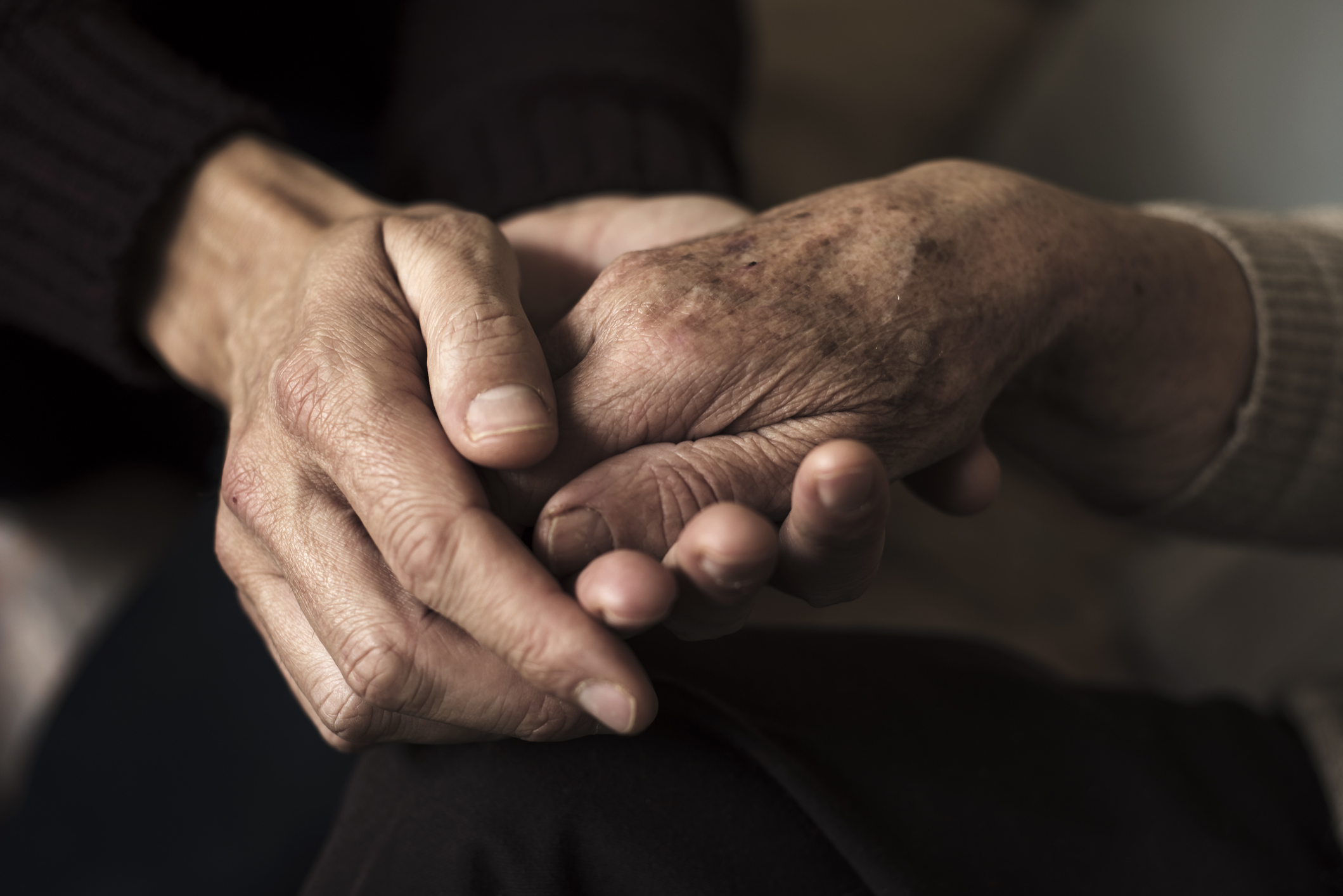
About 41 million Americans provide unpaid eldercare to loved ones, facing significant physical, emotional and mental demands.
Without adequate self-care and support, caregivers are at risk of burnout, stress and health issues, which can negatively impact their ability to care for aging loved ones.
We have available resources to help, including a new section on the Benefits, Pay and Well-being hub and an upcoming webinar on elder caregiving.
