The Outbreak That Never Was: How Collaboration and Quick Thinking Averted a Meningococcal Crisis
Two patients were admitted to CRMH on the same day. At first, they seemed completely unrelated—but what followed became a powerful example of how clinical vigilance and collaboration among infectious disease specialists can prevent a potential outbreak.
A Mysterious Link
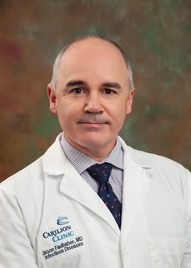
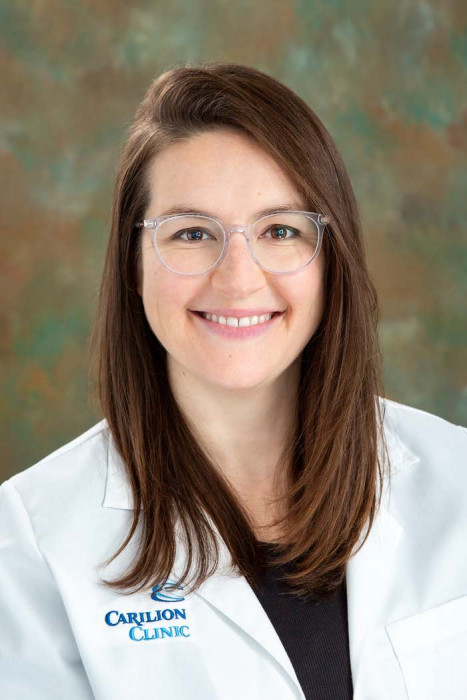
It started with a brief clinical conversation between Dr. Jason Faulhaber and Dr. Lily Colpitts. Both had patients whose gram stains suggested Neisseria meningitidis. Thanks to their thorough histories and physicals, they discovered that both patients worked at the same location.
Neisseria meningitidis (meningococcus) is a bacterium that can cause serious illness, most notably:
- Meningitis – inflammation of the brain and spinal cord lining
- Sepsis – a life-threatening bloodstream infection
It spreads through close contact such as coughing, sneezing, kissing, or sharing utensils and drinks.
Stopping It in Its Tracks
Recognizing the risk, Dr. Faulhaber immediately notified Infection Prevention and Control, as well as the local health department. Carilion’s team swiftly launched an investigation and coordinated specimen testing with the state lab.
Public health officials were able to identify over 200 people who met criteria for post-exposure prophylaxis (PEP). At Carilion, Infection Prevention and Control, in partnership with Employee Health, rapidly assessed and identified exposed healthcare workers.
Thanks to early detection and prompt action, what could have escalated into a major outbreak was contained.
This incident highlights the power of interdisciplinary collaboration to protect both healthcare teams and the broader community. In the end, the most successful outbreaks are the ones that never happen — and in this case, most people never even knew how close we came.
The mission of the IPC program is to support Carilion’s commitment to improving community health—every day we make a difference is a win for our team.