New Pulmonary Embolism Response Team (PERT) at CNRV
CNRV recently developed and implemented a PERT—pulmonary embolism (PE) response team—and successfully performed their first PE cases.
A PERT is a multidisciplinary team of healthcare professionals who specialize in managing patients with PE, a potentially life-threatening condition caused by a blockage in the arteries of the lungs.
The CNRV PERT includes providers from:
- Emergency Medicine
- Interventional Cardiology
- Pulmonology/Critical Care Medicine
- Hospital Medicine
This collaborative approach allows for a more rapid assessment, diagnosis and treatment of PE patients, ensuring timely and appropriate interventions.
A Team Effort: Strength in Numbers
Following months-long planning by key staff and cross-functional teams, the new team successfully treated their first case on January 24.
Leading the PERT development were:
- Michael Kelley, MD, Interventional Cardiology
- Kevin Lingle, MD, Interventional Cardiology
Key team members included:
- Moises Cossio, DO, Pulmonary/Critical Care Medicine
- Brijesh Patel, MD, Pulmonary/Critical Care Medicine
- Kenneth Belcher, MD, Hospital Medicine
- Matthew Borloz, MD, Emergency Medicine
- Representatives from CNRV administration, CVI informatics and Coding/Revenue
A Thought-out Process: How it Works
The CNRV PERT is activated using our Transfer Center. When the Transfer Center receives a PERT notification, they send out a PerfectServe message to providers in Interventional Cardiology, Pulmonology and Hospitalist Medicine and a pulmonary fellow. The Transfer Center connects the providers via conference call to discuss each case and determine the best plan of care.
A key benefit of a PERT is the expedited and comprehensive care it provides to PE patients. By bringing together experts from various medical specialties, a PERT can quickly evaluate the severity of a PE, determine the most suitable treatment options and initiate therapy promptly.
“This collaborative streamlined approach not only improves patient outcomes, but also reduces the time from presentation to diagnosis to treatment, which is crucial in preventing complications and minimizing the risk of death. We’re so glad we can offer this service to our community.” said CVI nursing director Ashley Walters.
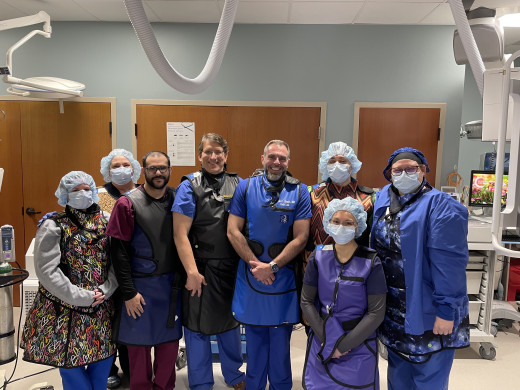
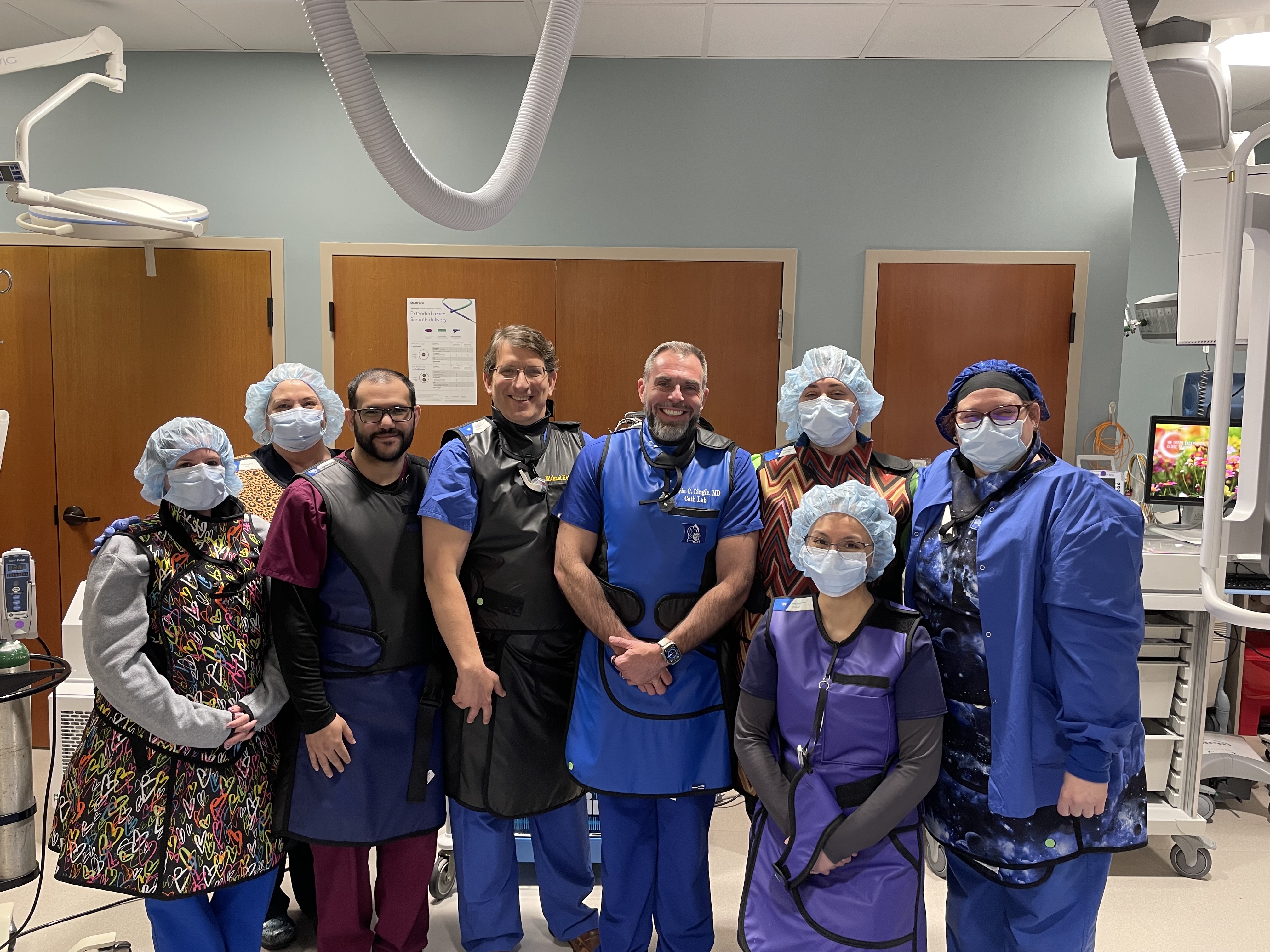
CNRV recently implemented a formal PERT (pulmonary embolism response team) and began performing cases in January.
Pulmonary embolism is a potentially life-threatening condition caused by a blockage in the arteries of the lungs.
PERT is a collaborative approach that improves patient outcomes and saves lives.
