More Than 2,000 Patients Treated with Monoclonal Antibody Therapy
During the most recent COVID-19 surge in Virginia, we admitted some of our highest numbers of acutely ill COVID-19 patients yet—most of whom were unvaccinated. To reduce the number of admissions and stress on our staff, we used a monoclonal antibody treatment, which played a critical role in serious combating illness in those who were most vulnerable.
How It Works
The COVID-19 monoclonal antibody treatment, an infusion given by IV over 30 minutes, helps a patient's body clear the virus more rapidly by enhancing the immune system’s attack on COVID-19 cells. The treatment blocks the COVID-19 virus from attaching to human cells, making it more difficult for it to reproduce and cause harm. Our Infectious Disease experts expanded the use of the treatment during the surge, hitting the milestone of 2,000 infusions in November.
"Monoclonal antibodies are therapeutics that have been developed in the laboratory to respond to different parts of your body's defense system or foreign invaders like the coronavirus," says Anthony Baffoe-Bonnie, M.D., medical director of Infectious Diseases. “When eligible patients receive the treatment early in the course of a COVID-19 infection, monoclonal antibodies reduce the likelihood of hospitalization from COVID-19 by 70-85%.”
During the early surges of COVID-19, we launched monoclonal antibody infusions in Roanoke and the New River Valley. As cases increased over this past summer, increased staffing allowed us to also offer it in our community markets, including Franklin County, Tazewell and Rockbridge.
A Life-Saving Treatment
For patients like Brad Brown, the treatment made all the difference.
“I received my first dose of the vaccine and two weeks later I tested positive for COVID," he said. “I was terrified what might happen, especially since I have co-morbidities, so I spoke with my doctor and was able to get a referral for monoclonal antibody treatment the following week."
Before he was able to receive treatment, Brad's symptoms progressively got worse; he went to the emergency room when he began struggling to breathe. His monoclonal treatment was moved to that day, and three days later he was almost fully recovered.
"The nurses and doctors were outstanding from when we arrived to when we left," said Brad. "The commitment and dedication of the staff is what gave me hope. I cannot begin to express how grateful I am for them. The treatment was truly a life-saving and life-changing experience.”
Let's Spread the Word
We’re continuing to expand access to these treatments and make more people aware of this way to combat COVID-19 in our community. Please spread the word and continue encouraging your friends and family to protect themselves by getting the COVID-19 vaccination and booster dose if it's been at least six months since their last dose.
“In addition to getting tested quickly if you think you might have COVID-19 and receiving monoclonal antibody treatment early in the course of infection, the best thing you can do to protect yourself is get your COVID-19 vaccine. It’s safe and effective.” said Dr. Baffoe-Bonnie.
More information on the monoclonal antibody treatment can be found on CarilionClinic.org. If you have any questions, please contact XXX. You can also watch this video with former interim chief of Infectious Diseases Dorothy Garner, M.D.
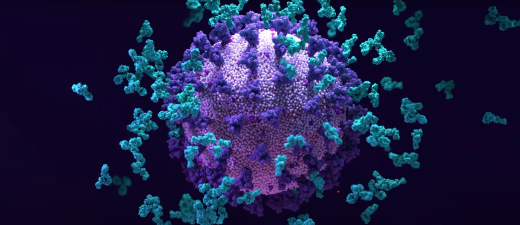
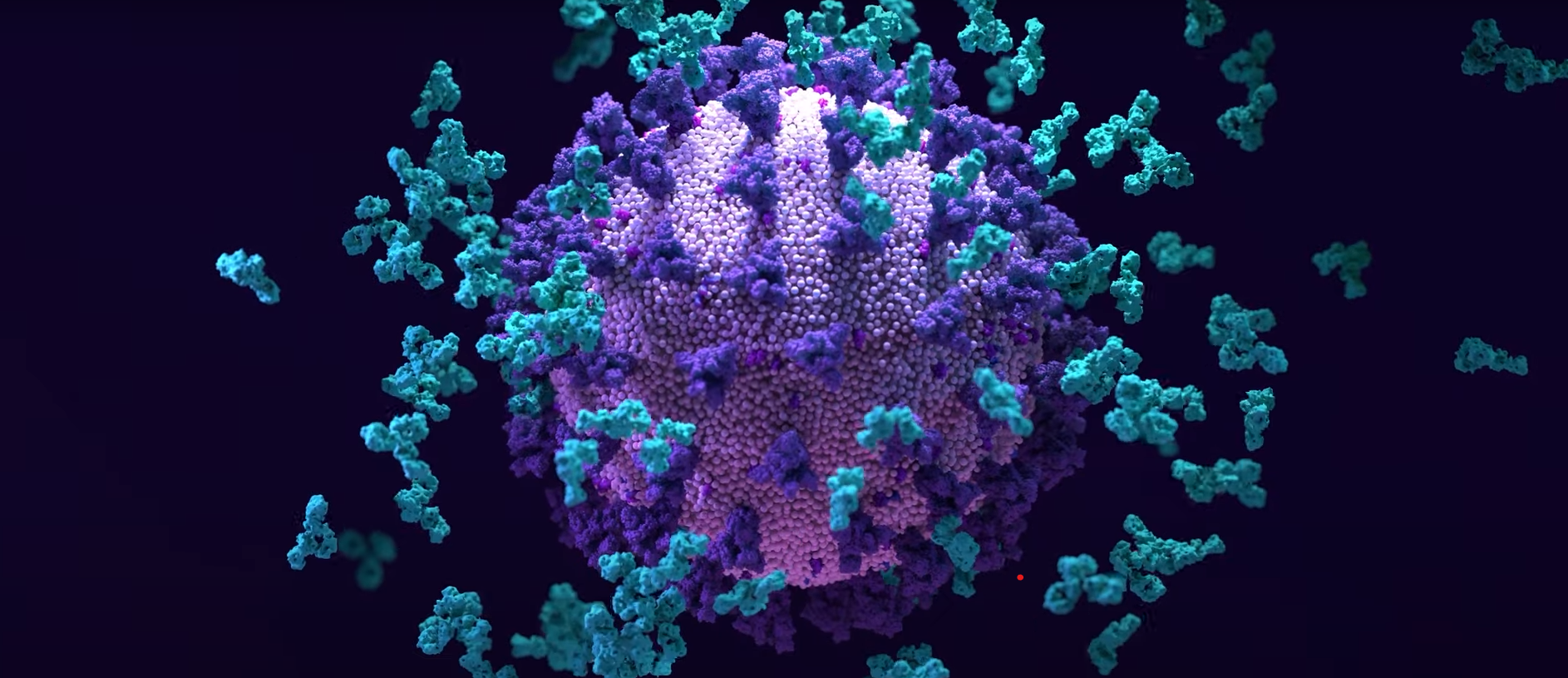
Over 2,000 of our patients have been treated with the monoclonal antibody therapy.
One patient, Brad Brown, shares his experience about how the treatment saved his life.
Please help us spread the word about the monoclonal antibody treatment and getting vaccinated to help combat COVID-19 in our community!
