Improving Care for Our Diabetic Patients
Patients who suffer a hypoglycemic event may have an increased length of hospital stay and a higher risk of long-term mortality and cognitive decline—not to mention, a poor patient experience.
That’s why minimizing hypoglycemia is essential to safe patient care and such an important measure of the quality of care organizations provide, and why we are making this a quality measure in our hospitals.
For the past six weeks, staff from 5 West and 8 South PCU have been hard at work improving how they care for diabetic patients—by learning new ways to prescribe and administer insulin and treat hypoglycemia that align with best practices.
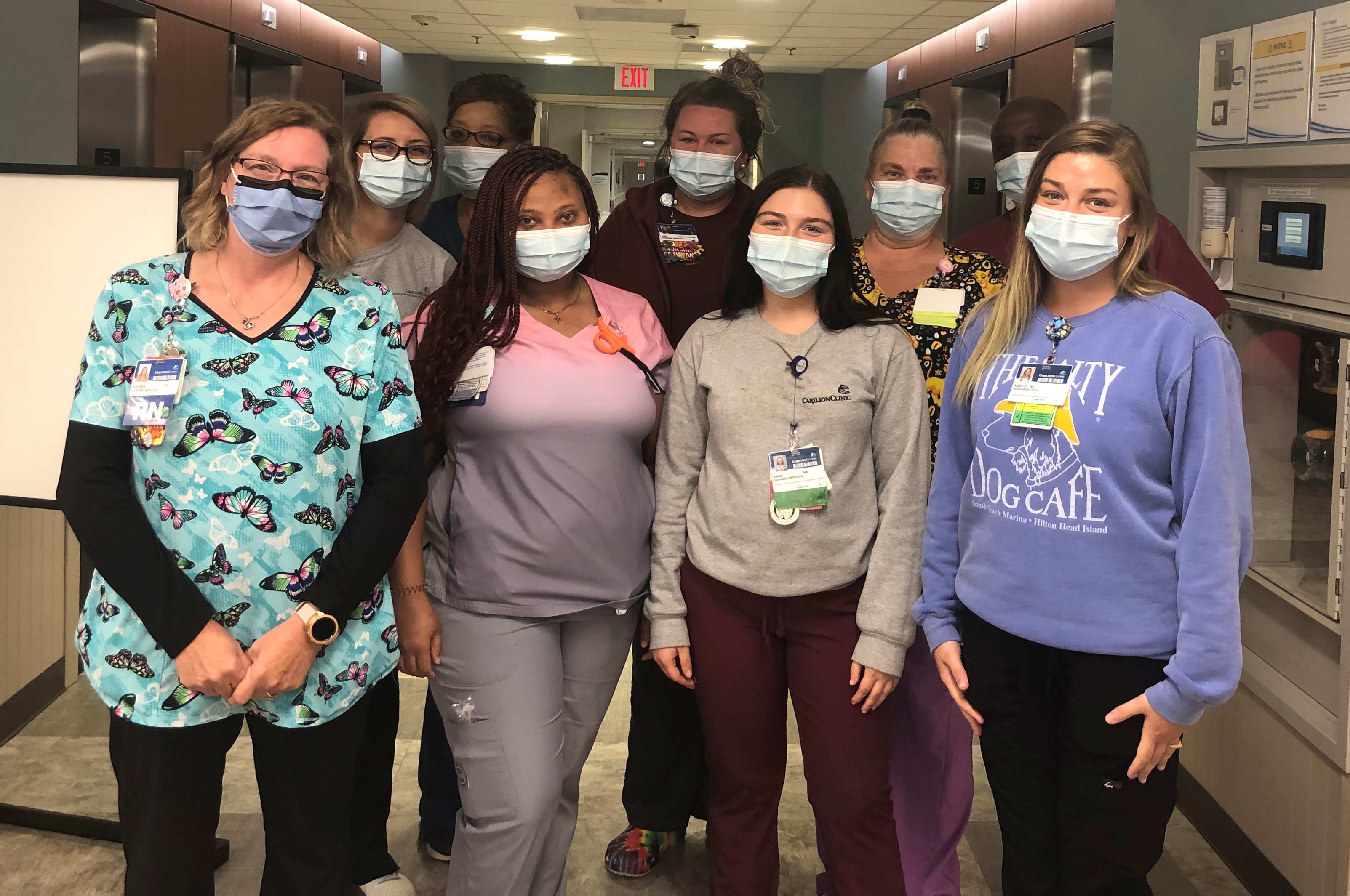
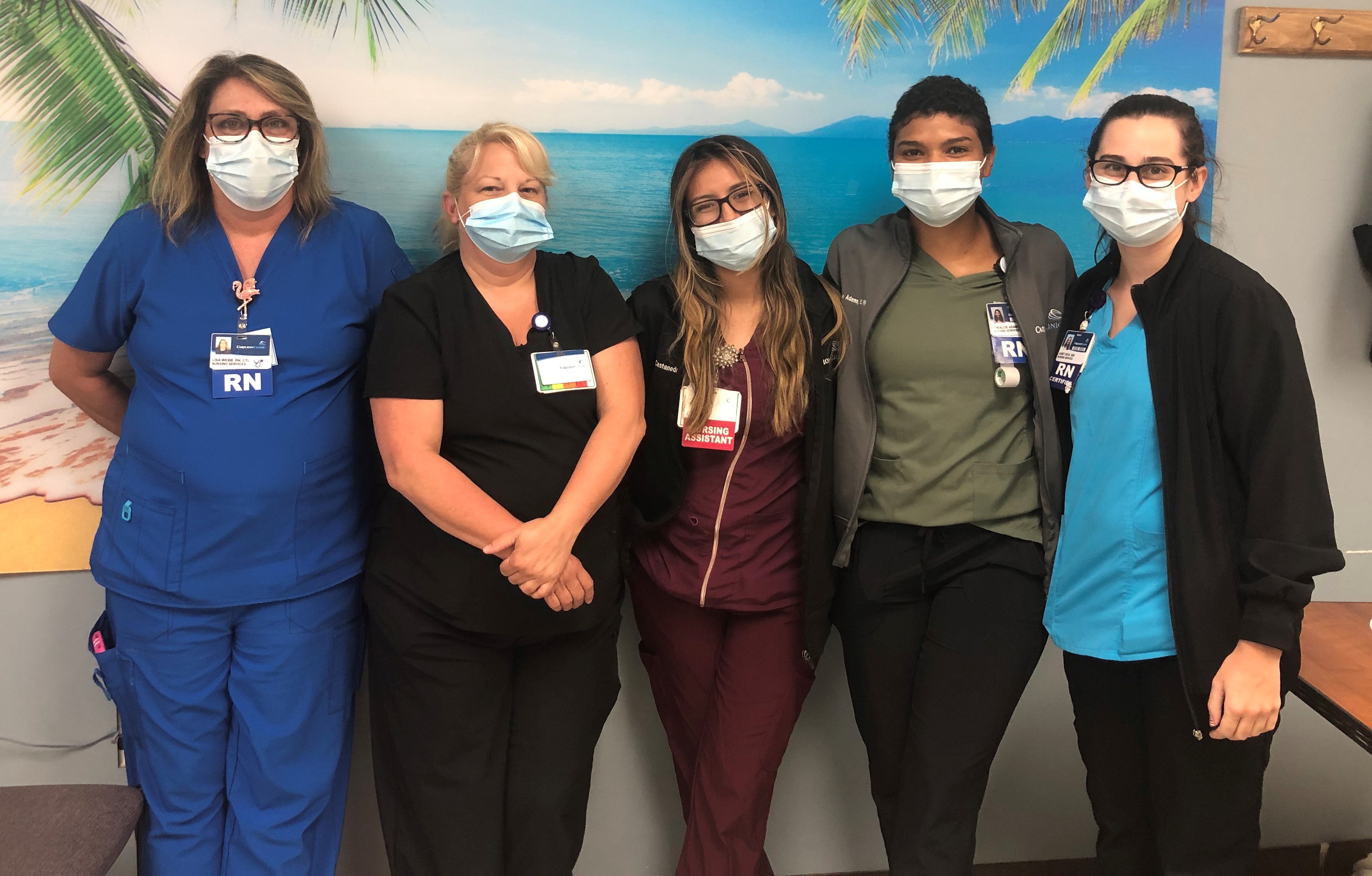
5 West and 8 South PCU are part of the pilot Insulin Project, which will launch in phases, starting Aug. 25. Its goal: to reduce the systemwide percentage of hypoglycemia for adults ages 18 and over who have been admitted to our hospitals.
The project was developed after we discovered a challenge with hypoglycemia, identified through the SafeWatch event reporting system.
It will move forward in phases, with time between phases used to review the previous phase and determine if any process or product tweaks are needed.
As the first units to pilot the Insulin Project, 5 West and 8 South PCU collaborated with many departments. Their early work provided valuable insight that is perfecting workflows, enhancing Epic technology and improving education for providers, nursing and pharmacy systemwide.
Here’s a look at some of the steps 5 West and 8 South PCU took to turn collaboration into success:
- Pilot nurses, providers and Pharmacy met (at times) daily to discuss what was and wasn’t going well and how they could improve.
- Pilot nurses and Dining and Nutrition Services worked together to provide feedback on meal tray delivery notification, and improved the process from phone calls to electronic notification via teletracking.
- Staff from TSG, Clinical Informatics, Human Factors and subject matter expert Jarrod Uhrig, D.O., spent hours developing an orderset and insulin calculators that drive best practice.
- HR Education and Organizational Development worked hard to create and improve education based on pilot feedback that helps our providers, Nursing and Pharmacy use the new technology and understand workflows.
- Our pilot providers provided feedback to help us remove unnecessary content from their ordersets to reduce clutter and focus ordering on what’s most important.
- Nursing and HR Education and Organizational Development worked together to improve nursing education for documenting PO intake.
Thanks to these efforts, they decreased hypoglocemia on their units, which improves patient safety and the quality of care we provide our diabetic patients. A huge thank you to the nurses on 5 West and 8 South PCU, Internal Medicine residents and faculty, the Hospitalist team, Pharmacy, Dining and Nutrition Services, TSG, HR Education and Organizational Development, Clinical Informatics, Human Factors, Dr. Uhrig and everyone who worked hard to make the pilot successful!
If you need assistance during go-live, call the TSC at 540-224-1599. If you have any questions prior to go-live, please reach out to the leader in your area.
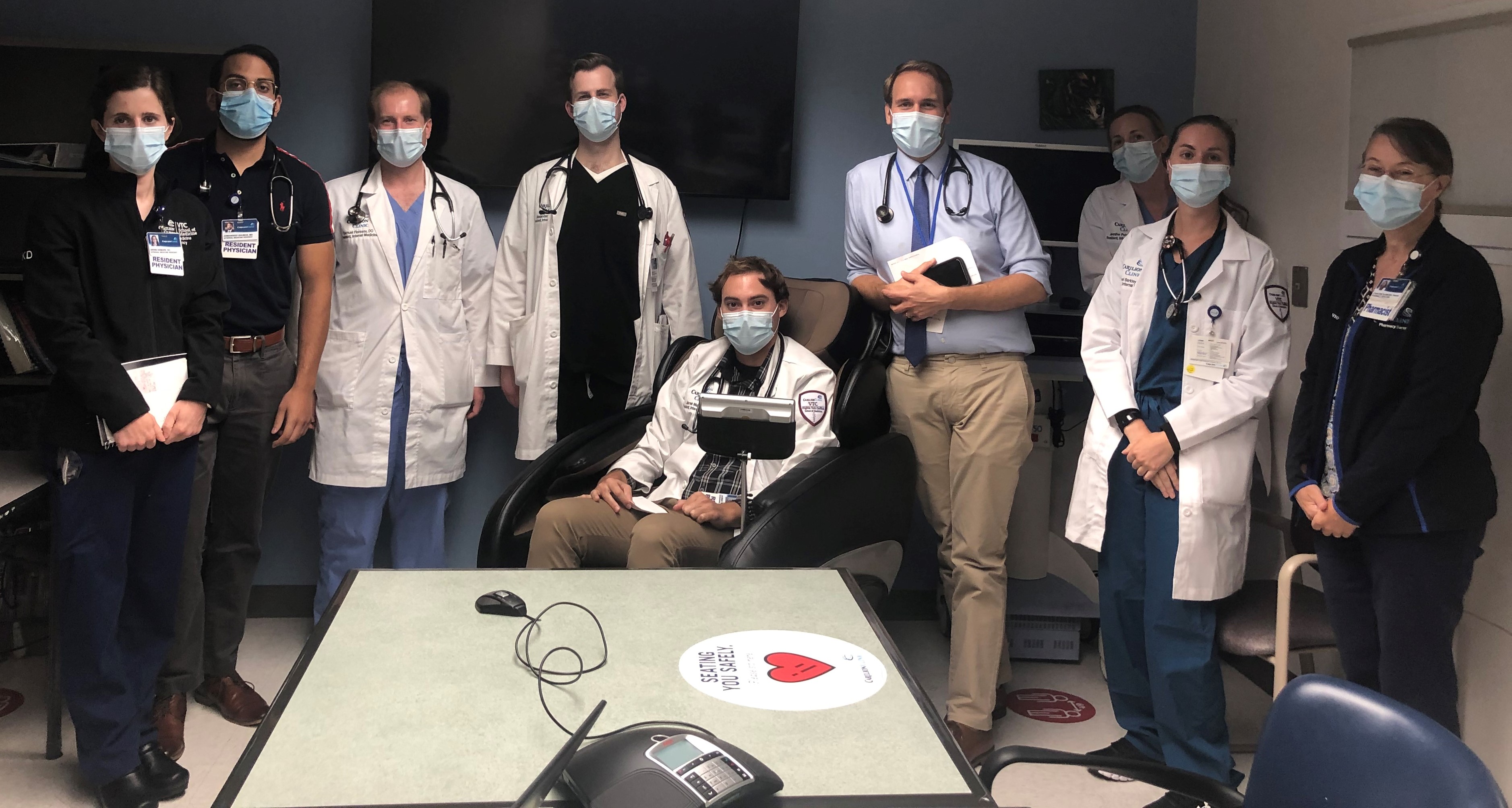






As part of the pilot Insulin Project, staff from 5 West and 8 South PCU have been hard at work improving how they care for diabetic patients.
The units collaborated with clinicians and departments to provide valuable insight that is perfecting workflows, enhancing Epic technology and improving education for providers, nursing and Pharmacy systemwide.
The goal of the Insulin Project is to reduce the systemwide percentage of hypoglycemia for adults ages 18 and over who have been admitted to our hospitals.
The Insulin Project is rolling out in phases systemwide, starting Aug. 25.
