It's the 5th Anniversary of SafeWatch!
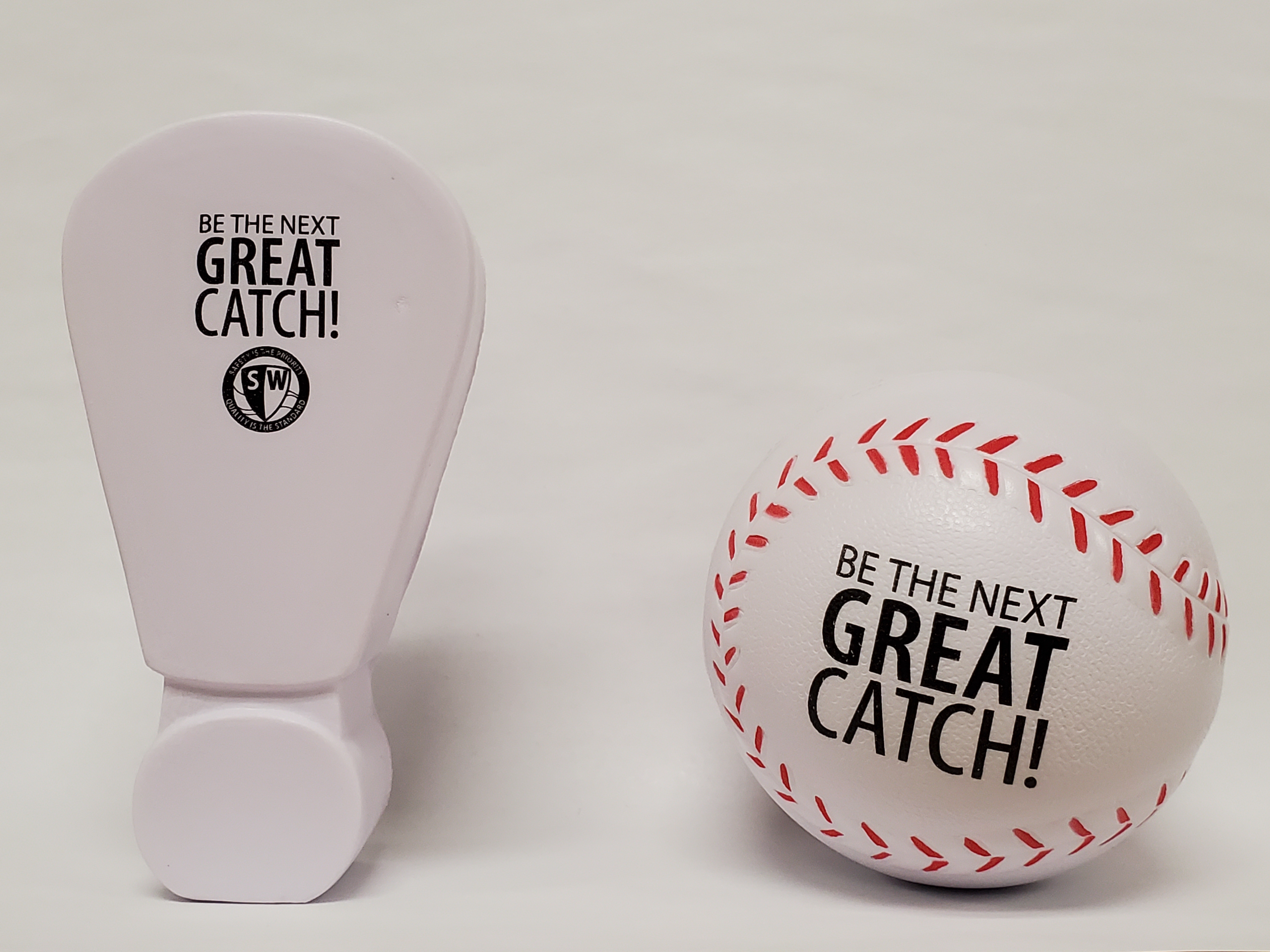
Play trivia to win a stress ball and celebrate five years of SafeWatch reporting!
In April 2017, we took a major step toward building a culture where you are encouraged to report errors and near misses and where we learn from our mistakes rather than placing blame. We began SafeWatch reporting. Since then, staff throughout the system have used it to report safety concerns involving patients, employee injuries and patient complaints. These reports include events (where an issue reached a patient) as well as great catches (where an issue was caught before harm reached a patient).
SafeWatch remains the cornerstone of our patient safety program, and in five years, we have achieved over 28,000 Great Catches! Reporting through SafeWatch allows us to better identify trends and focus on systems and processes that need to be evaluated and improved upon, rather than punishing individuals for making mistakes. It also helps us make sure we are providing quality care while keeping patients safe.
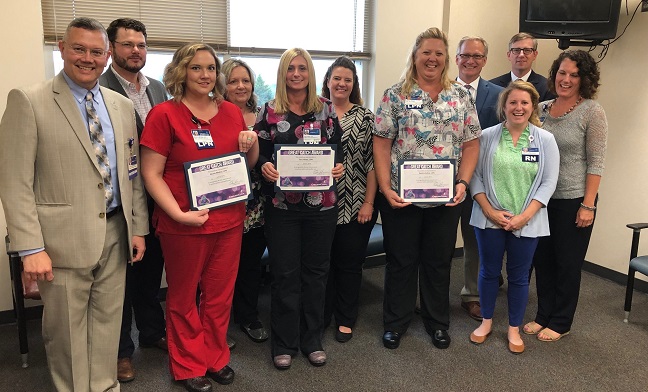
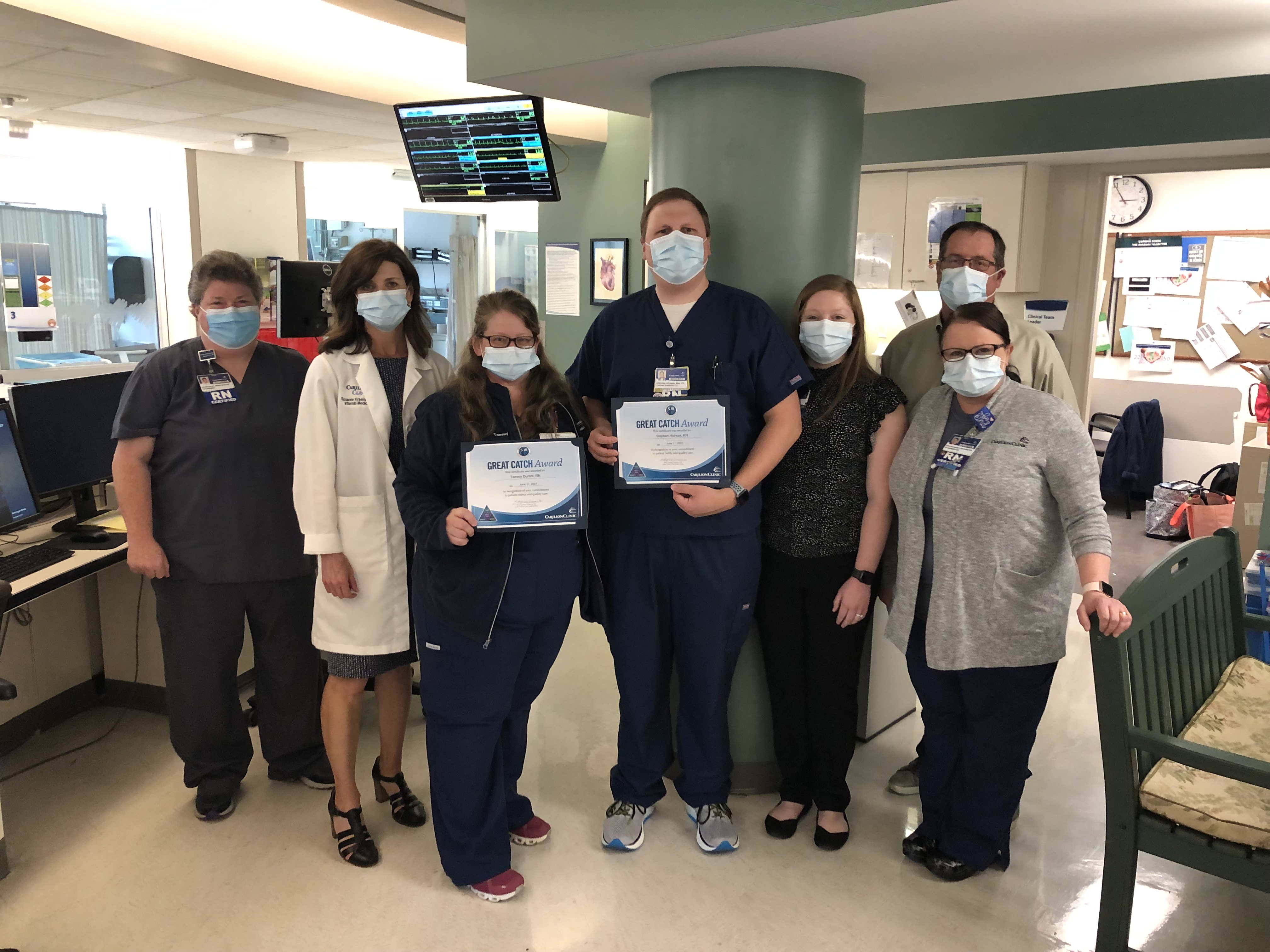
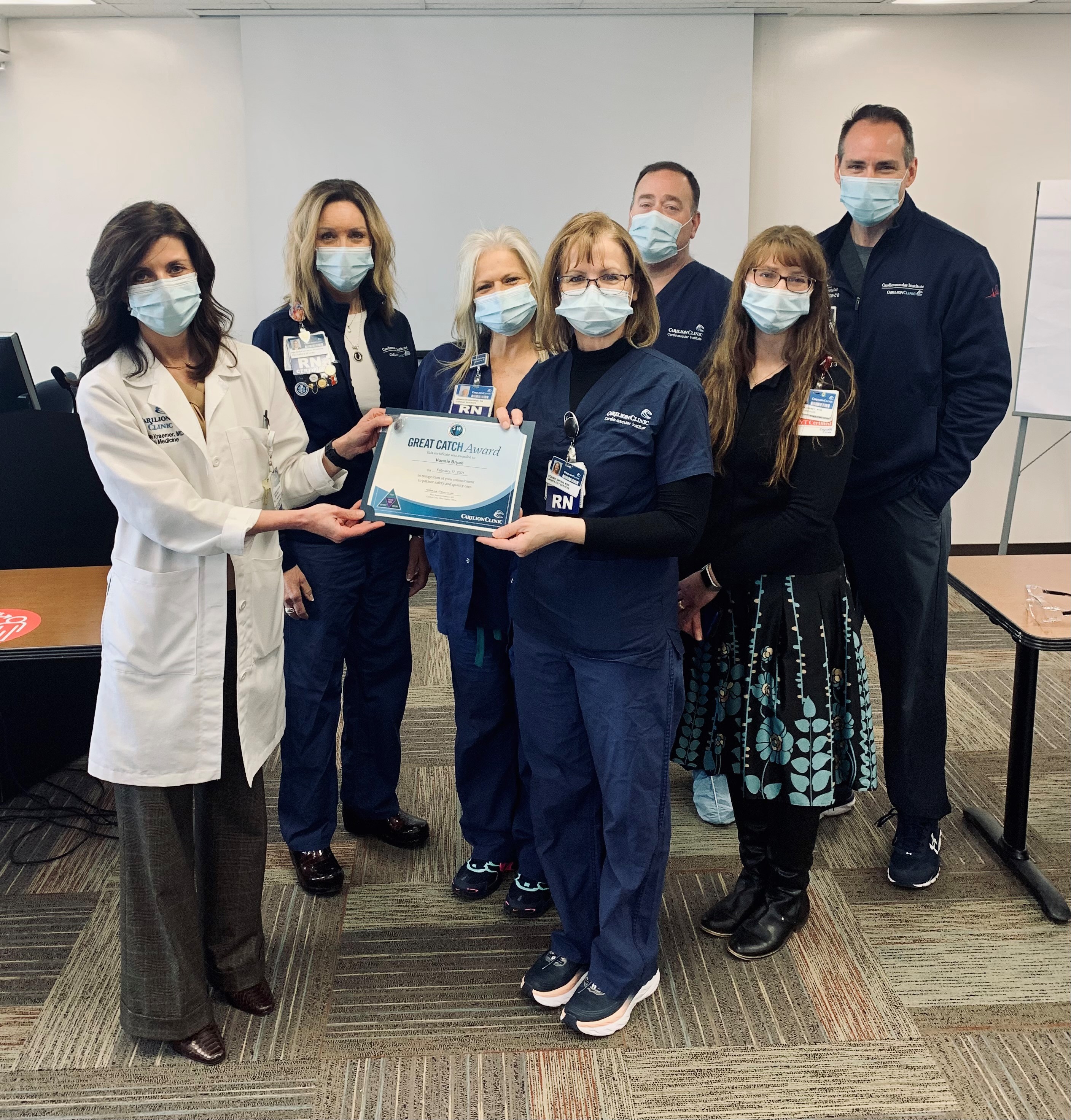
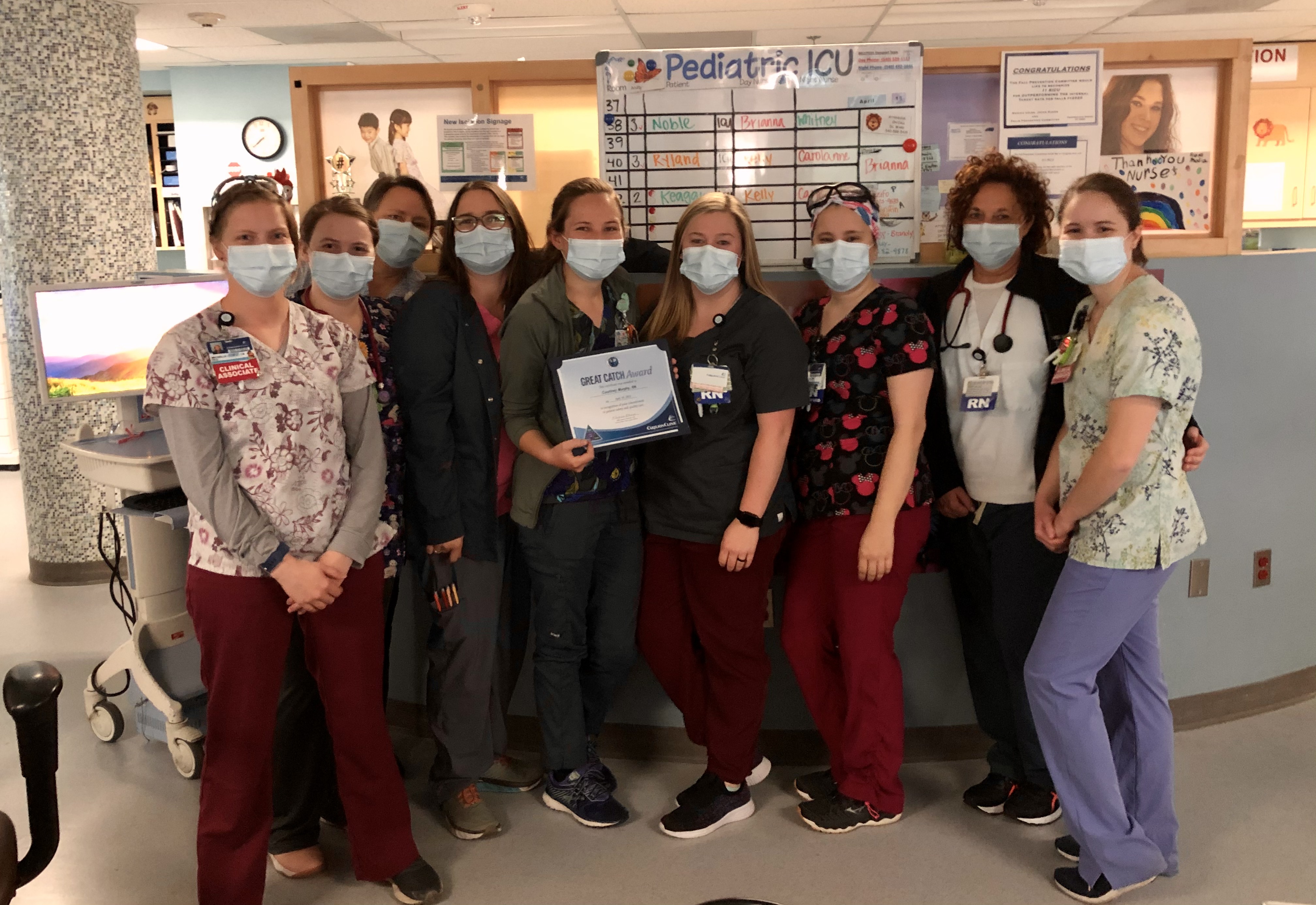
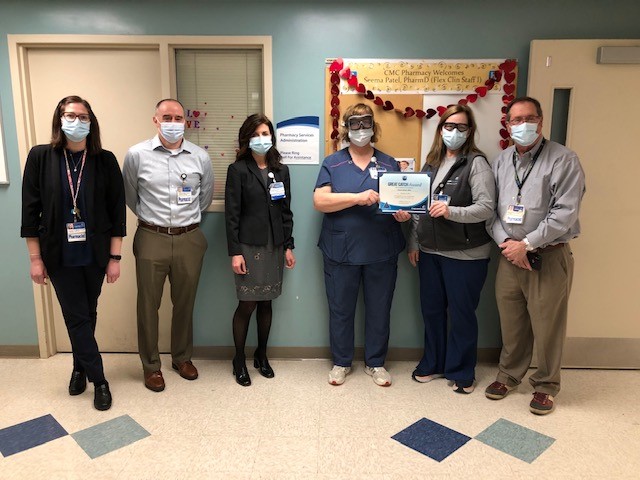
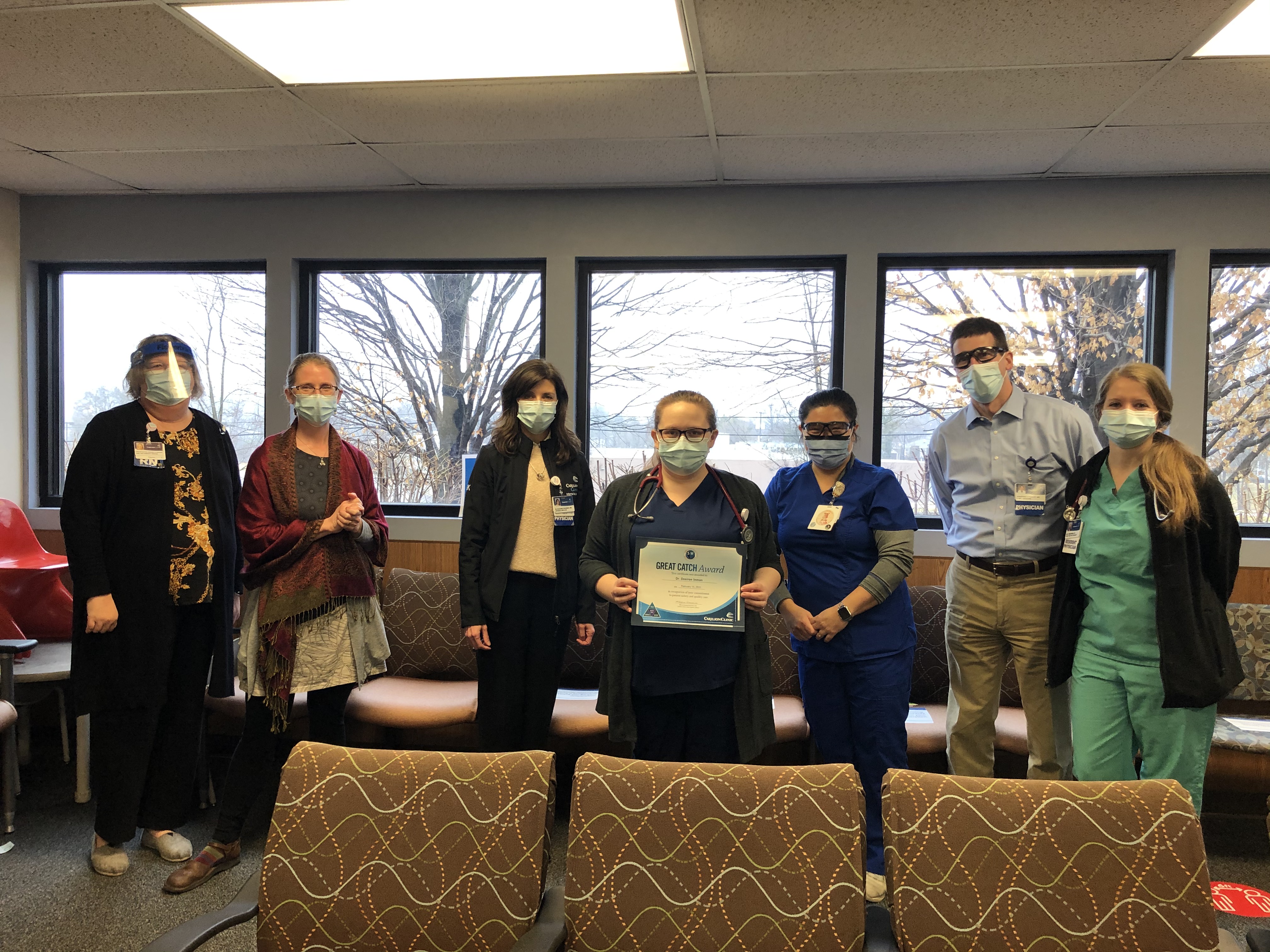
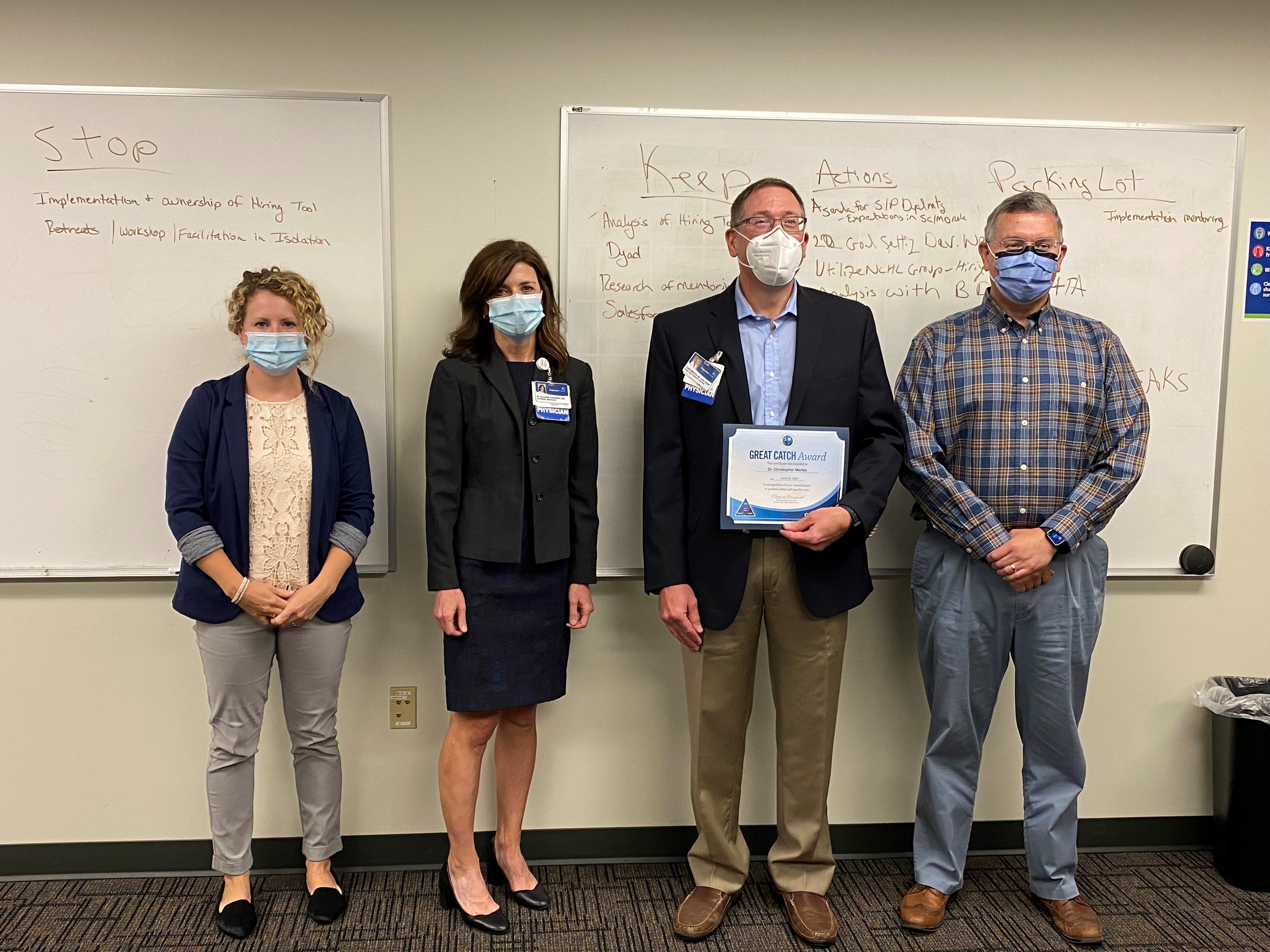
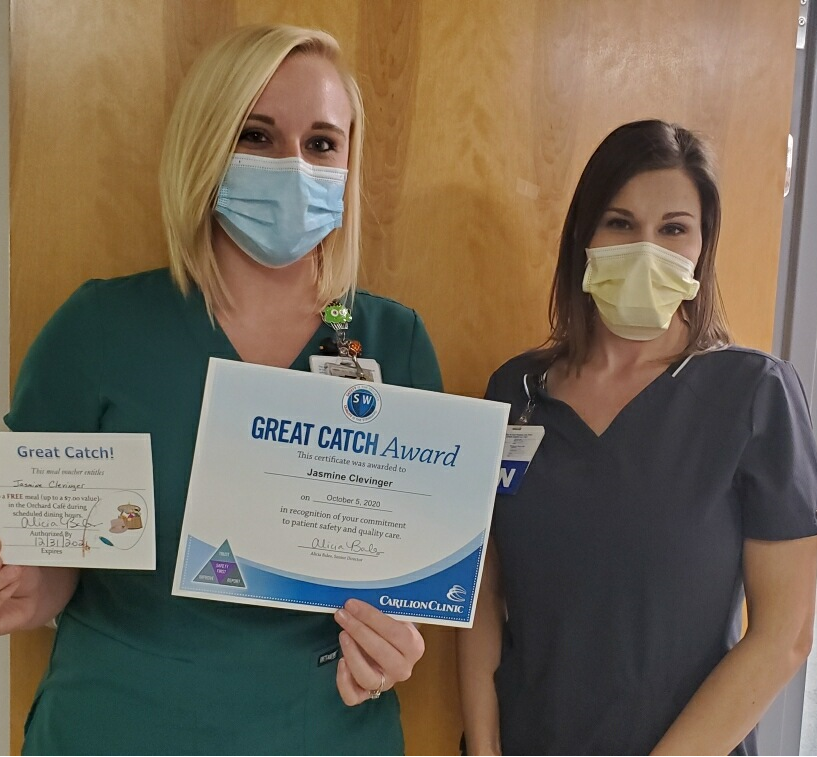
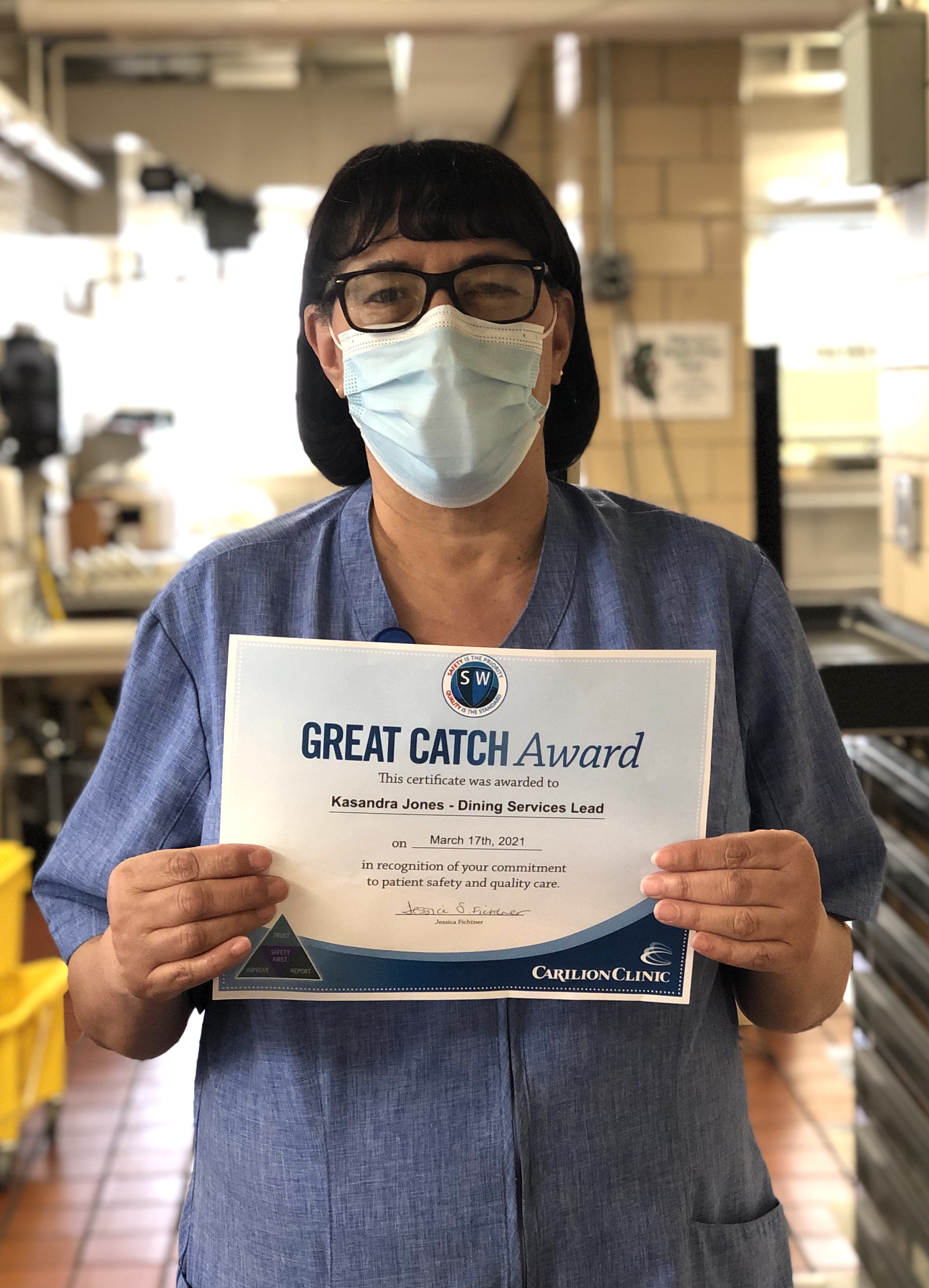
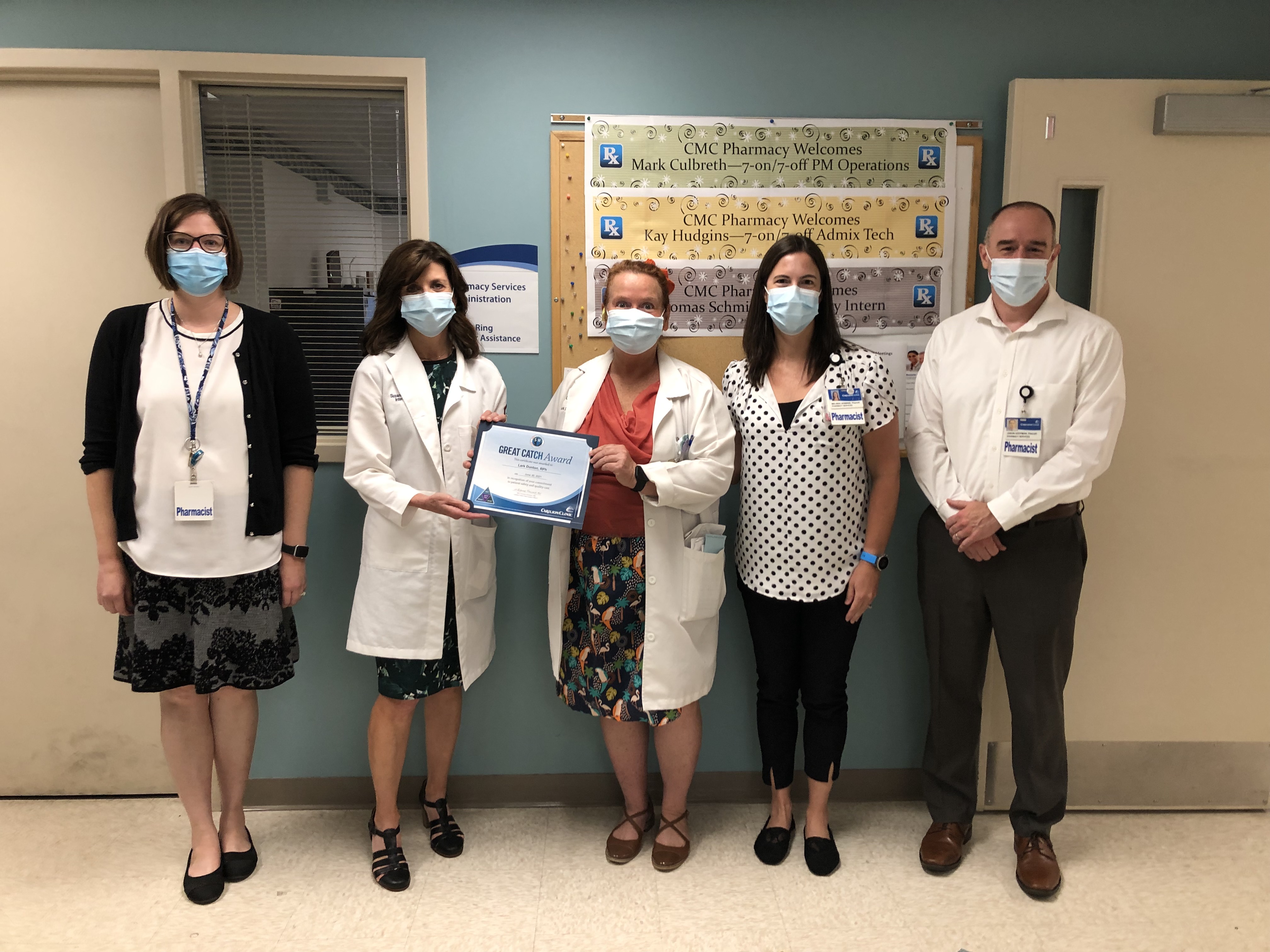
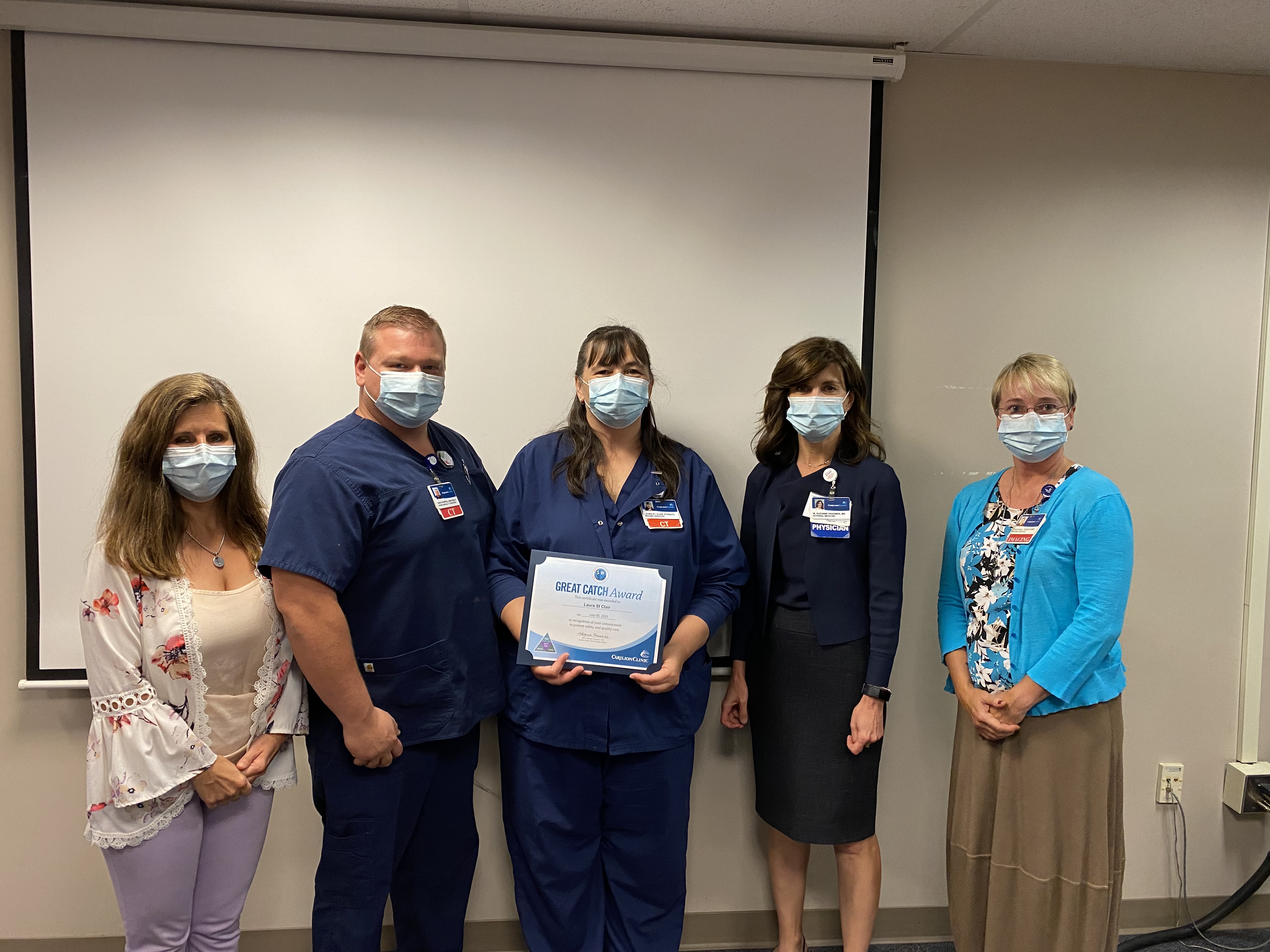
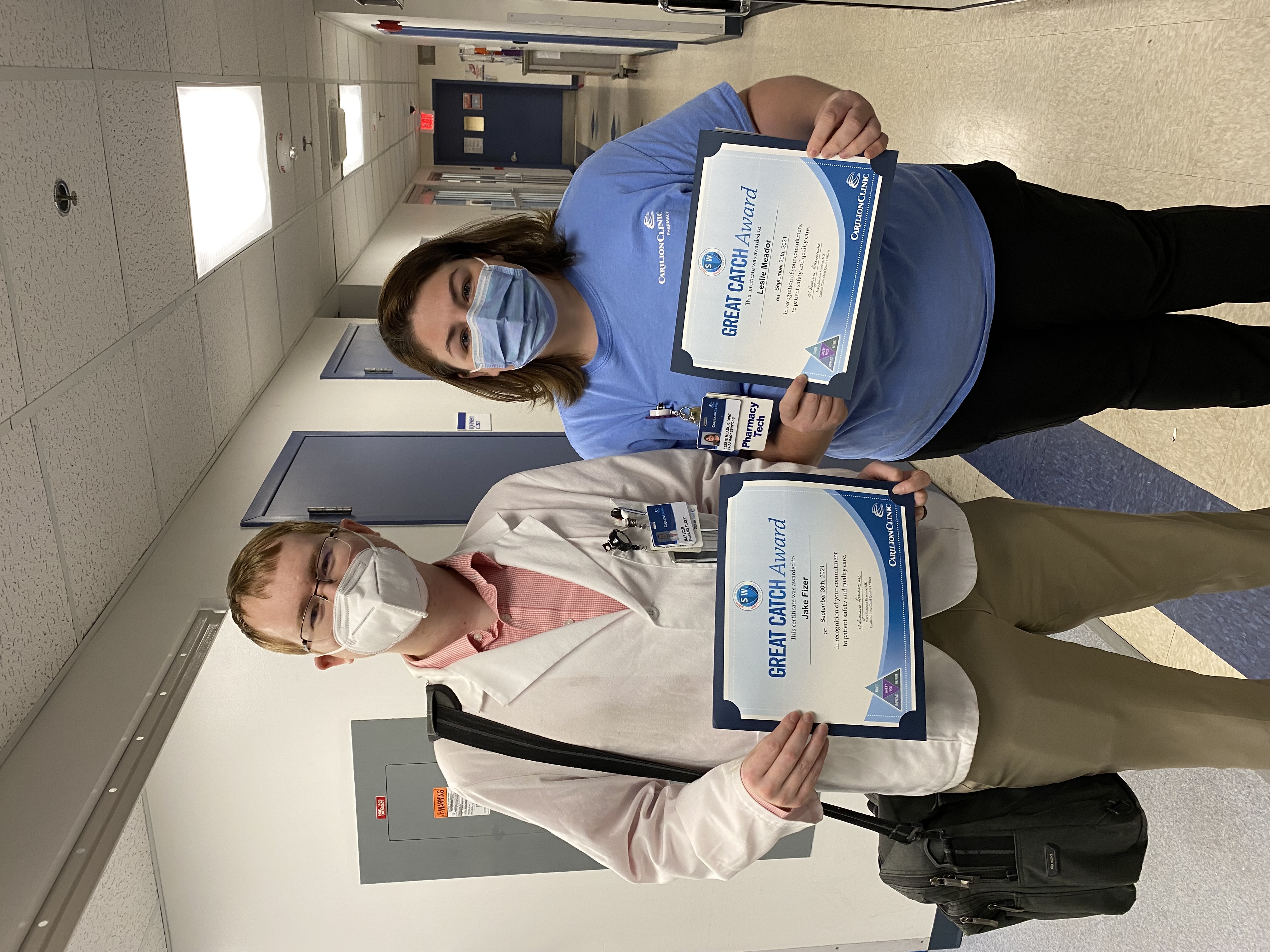
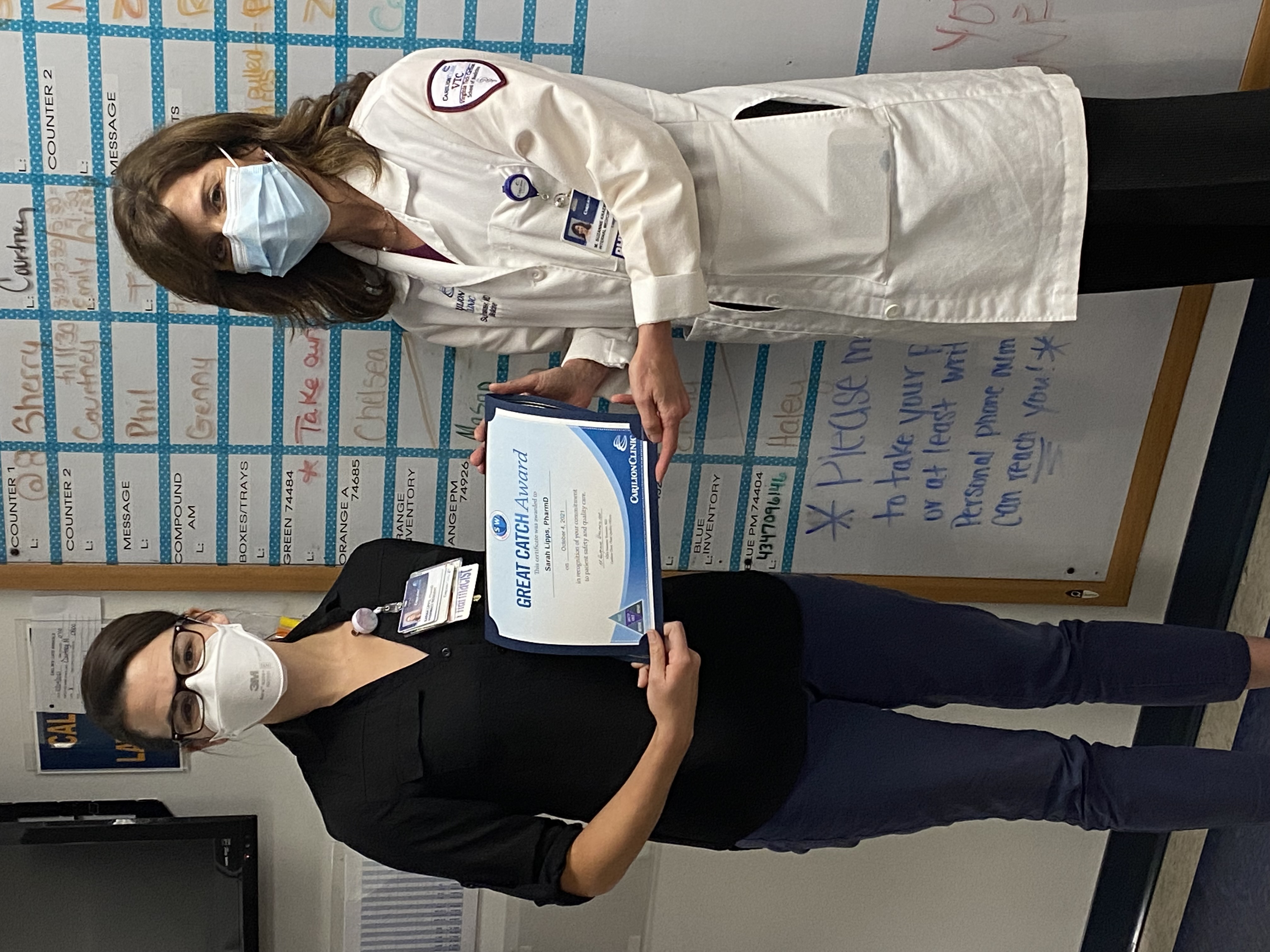
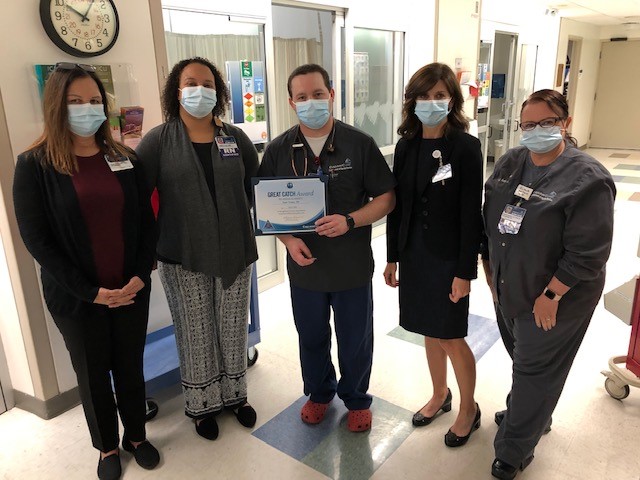
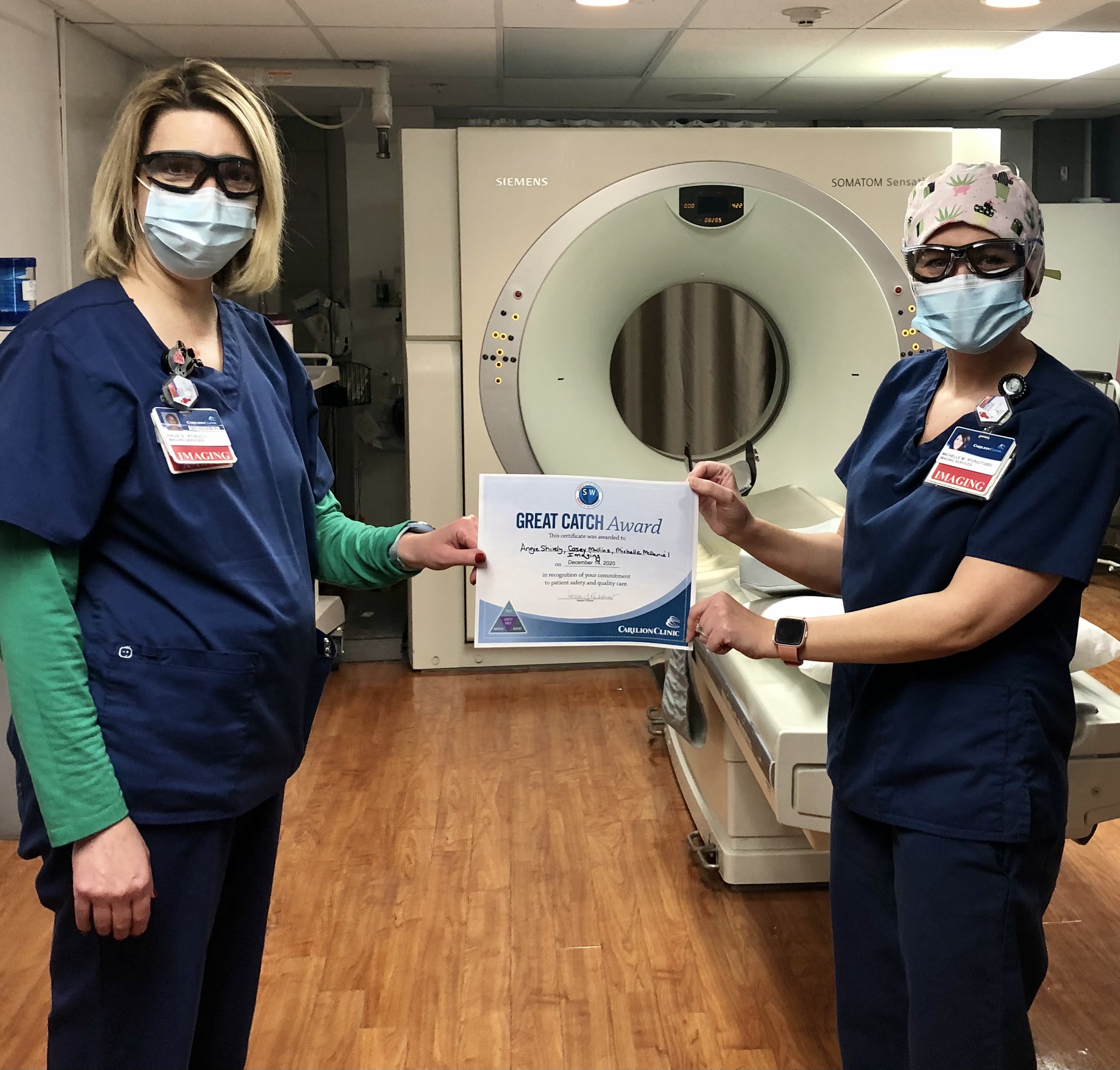
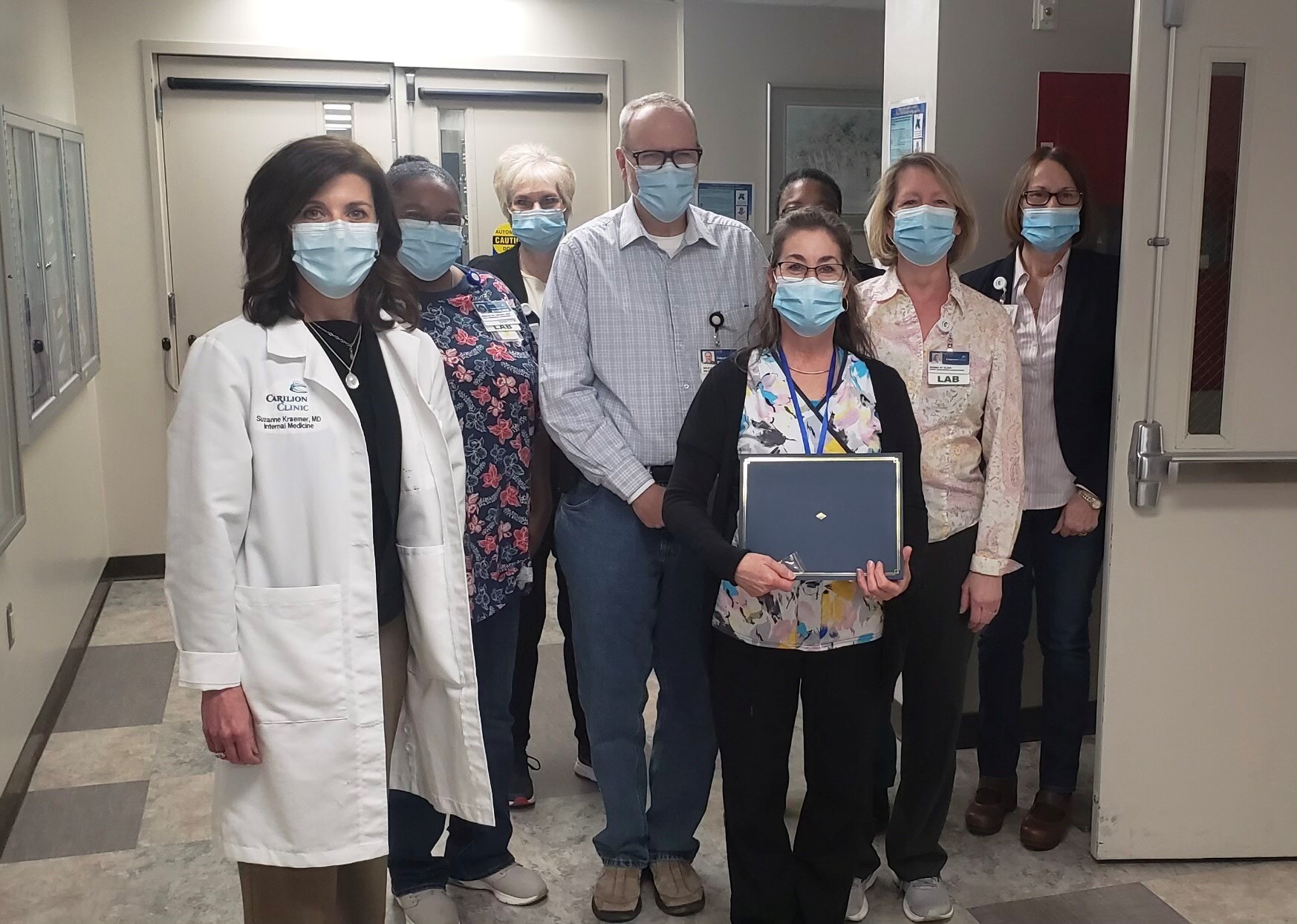
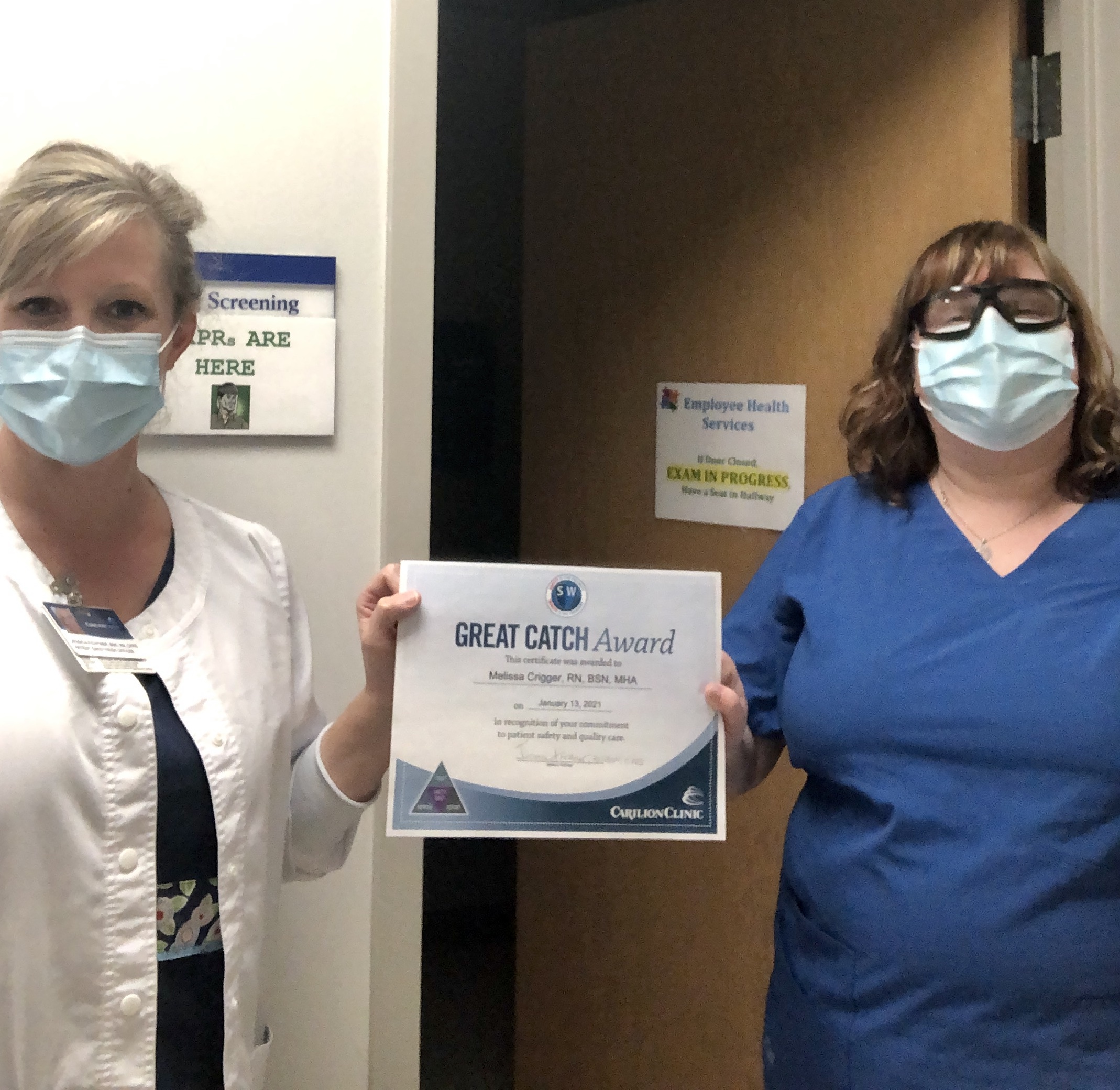
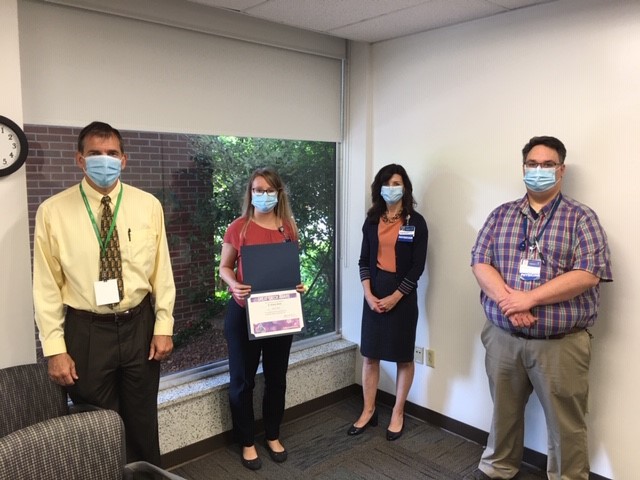
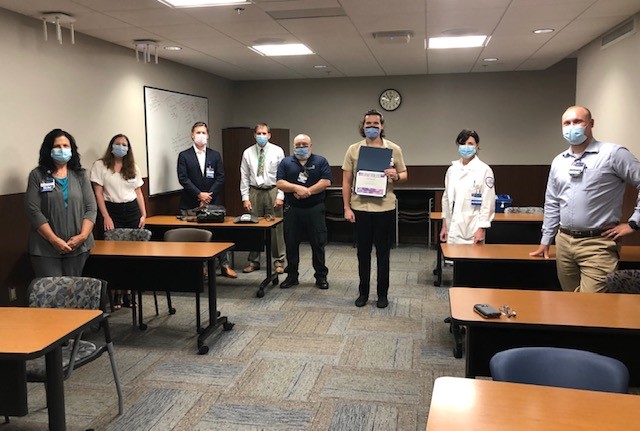
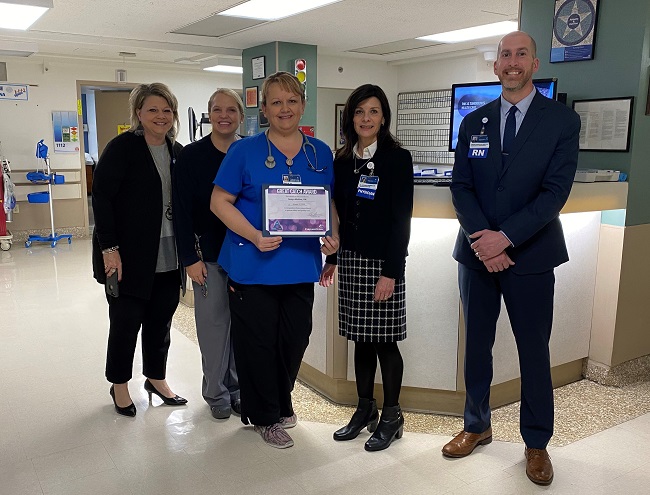
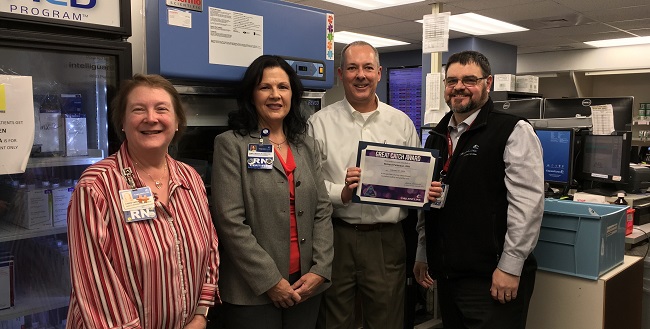
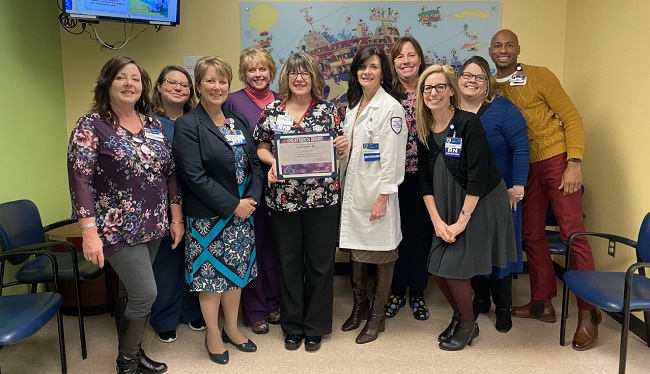
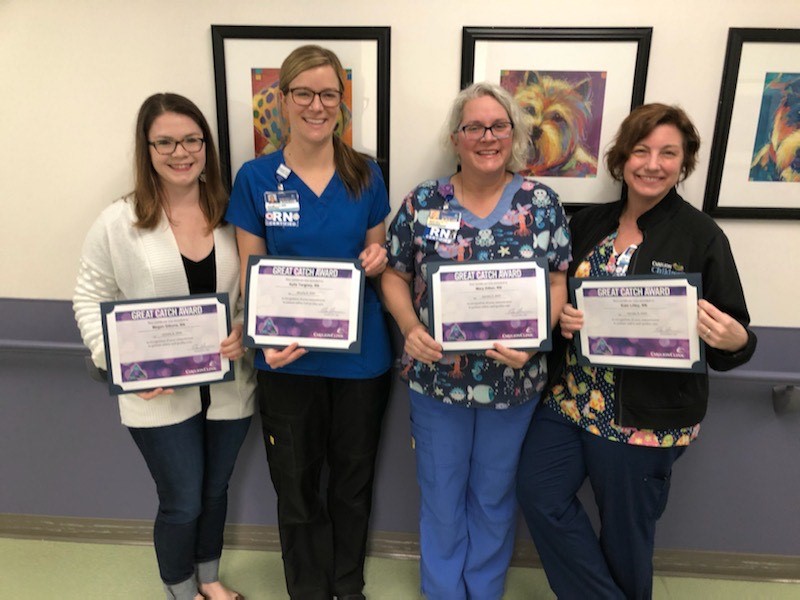
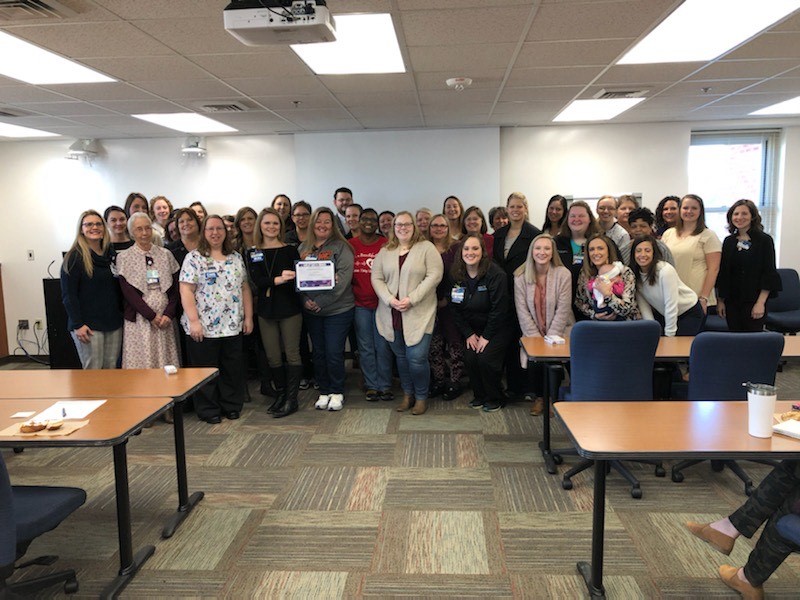
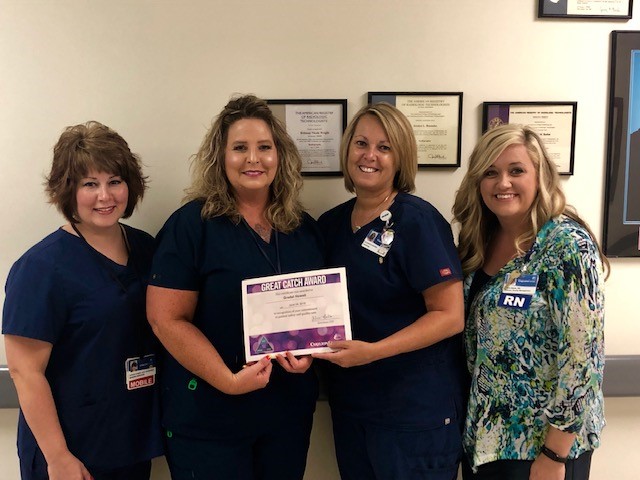
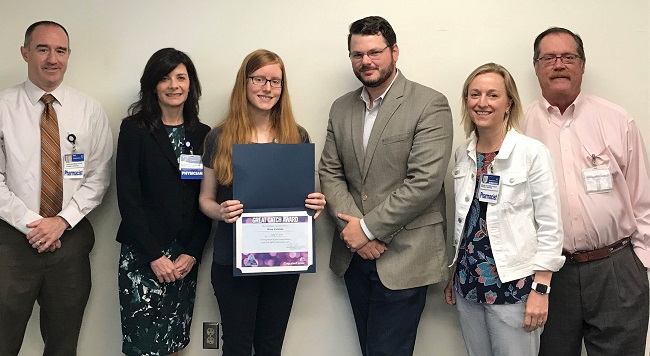
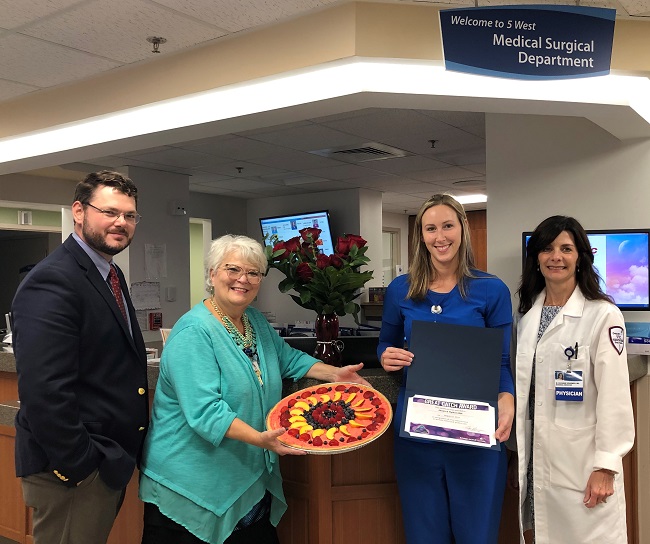
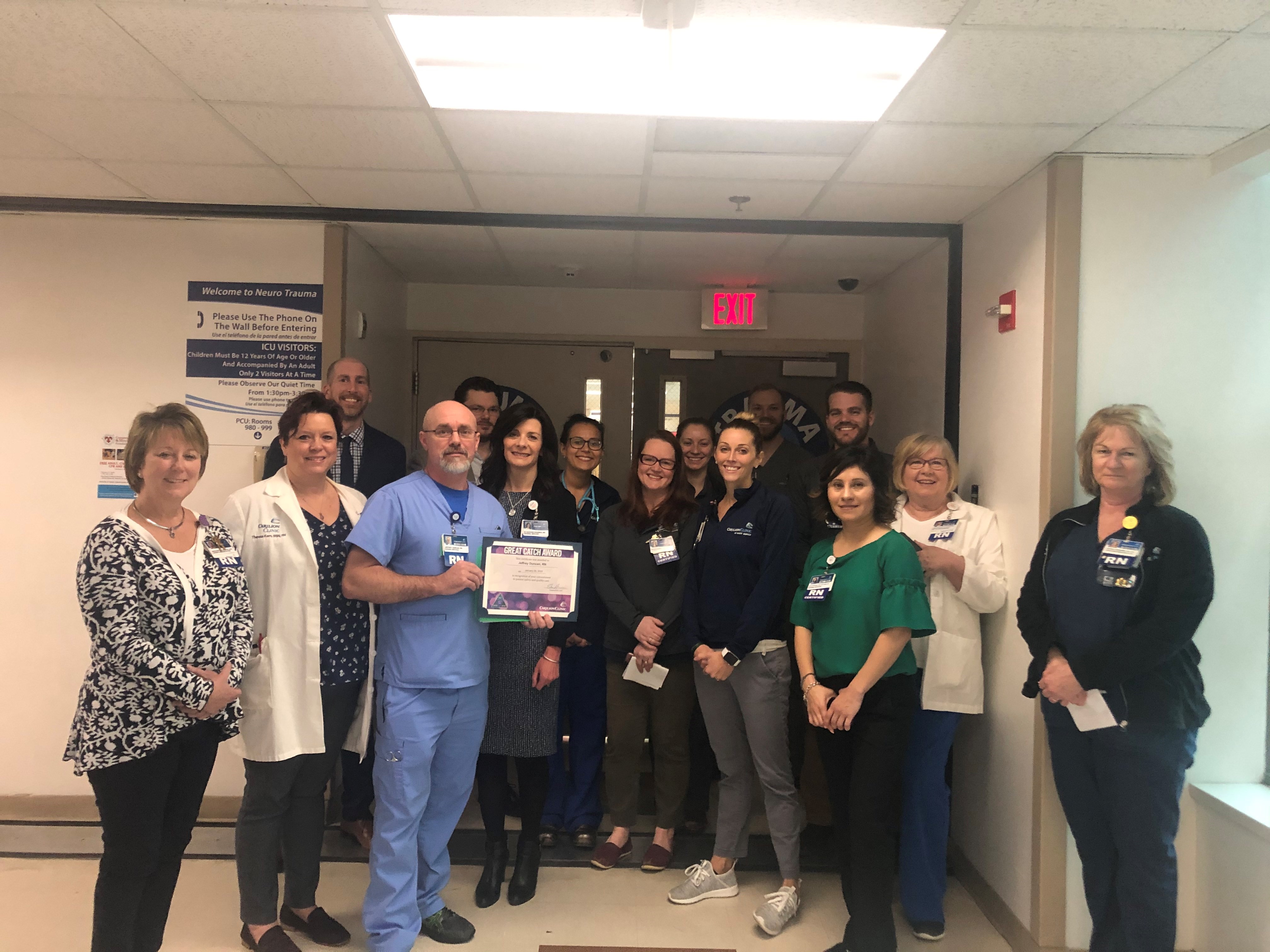
Our Great Catch Awards recognize employees who identify and report potential errors or process issues before they can harm patients. Each month, our Clinical Advancement and Patient Safety team reviews every great catch that is reported and chooses the award recipients. There have been over 100 Great Catch Award recipients since SafeWatch began.
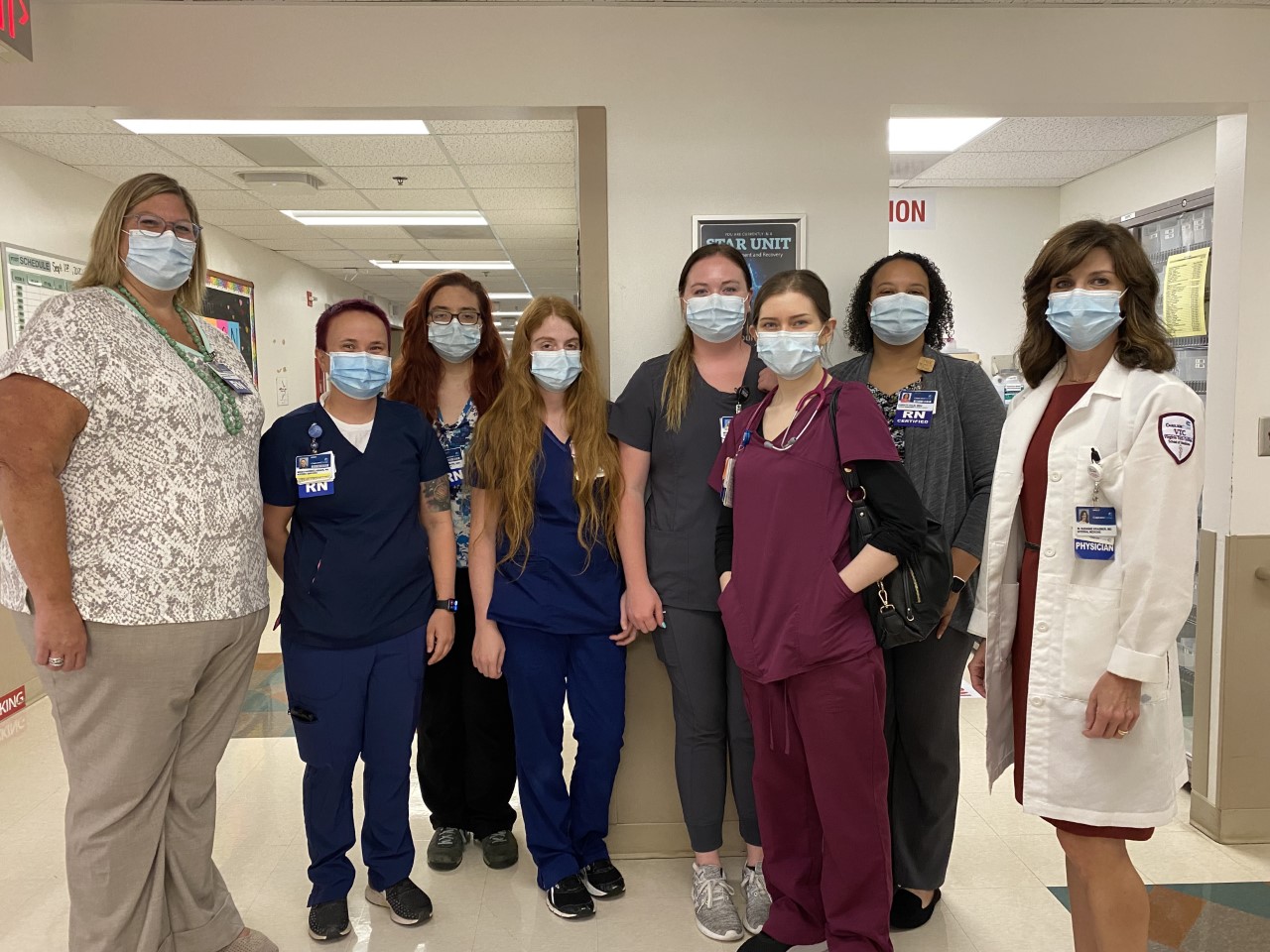
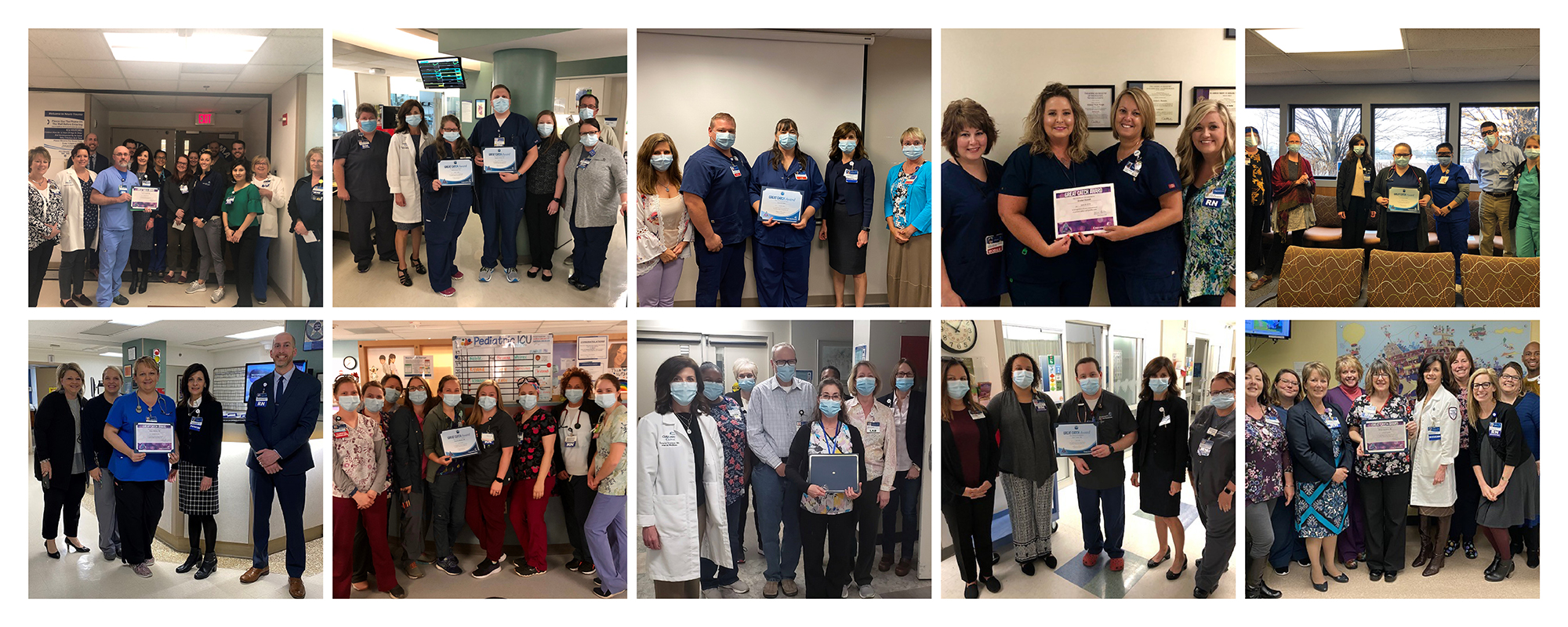
With so much success, we couldn’t capture it all, but we can share some highlights. Below is a glimpse of great catches through the years and how we've improved since the beginning of SafeWatch. In addition to photos for the great catches highlighted in this article, our picture gallery also includes many of our Great Catch Award winners since SafeWatch began.
Ambulatory
Ambulatory has had a 116% increase in Great Catches since the beginning of SafeWatch.
Sandra Arthur, Tara Hines and Nicole Medina, all of Family Community Medicine, reported incomplete allergy orders and a lack of labeling on allergy serum vials. Their reports led to updated allergy orders and improved labeling requirements to allergy serum vials.
CFMH
CFMH has had a 114% increase in Great Catches since the beginning of SafeWatch.
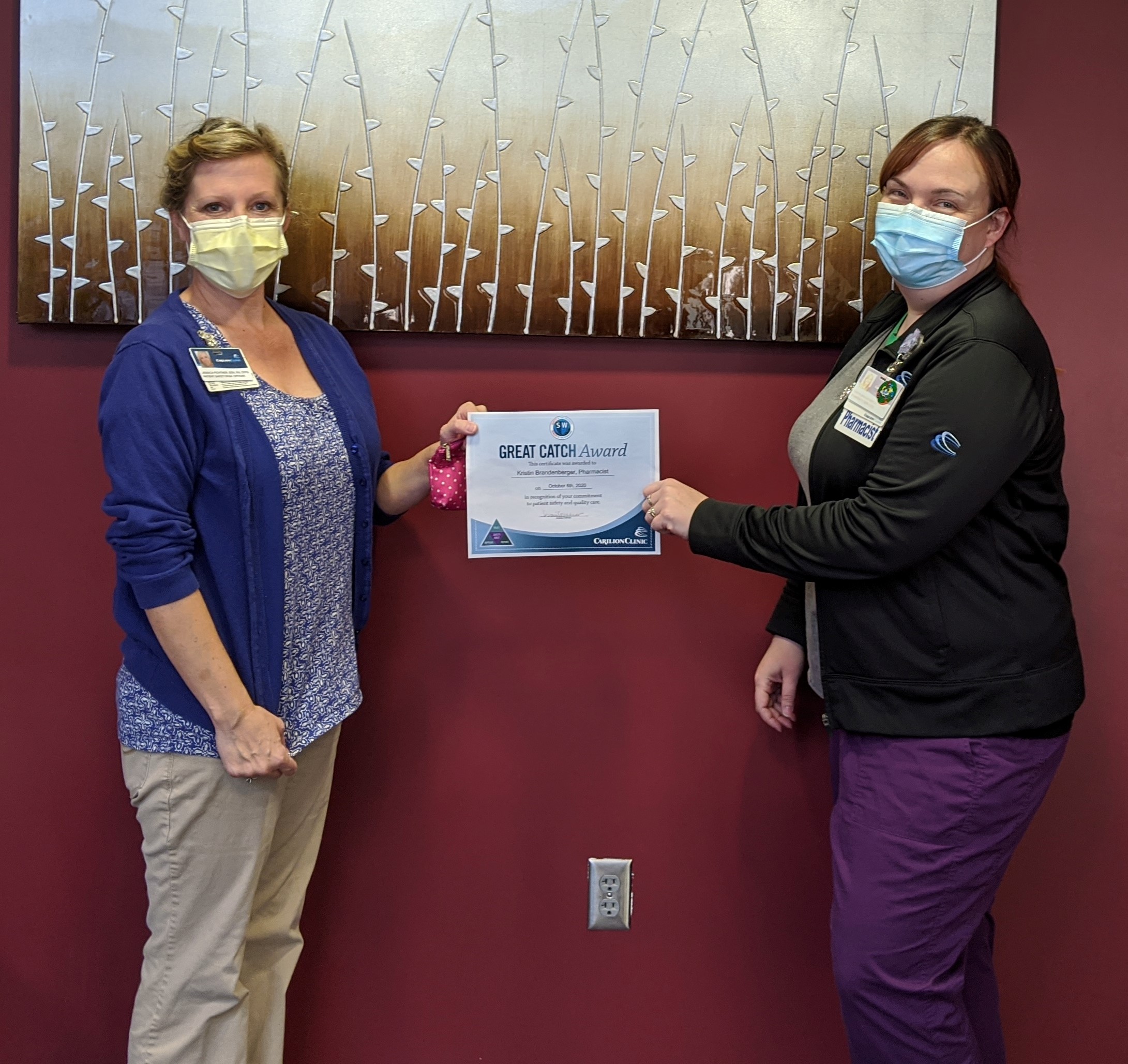
Kristin Brandenberger, Pharmacy, has reported multiple near misses and regularly surpasses expectations. An example is when she went above and beyond to verify that an antibiotic prescribed would cover an illness. Without Kristin’s efforts, the patient would have gotten an antibiotic that would not have been a successful treatment.
CGCH
CGCH has had an 108% increase in Great Catches since the beginning of SafeWatch.
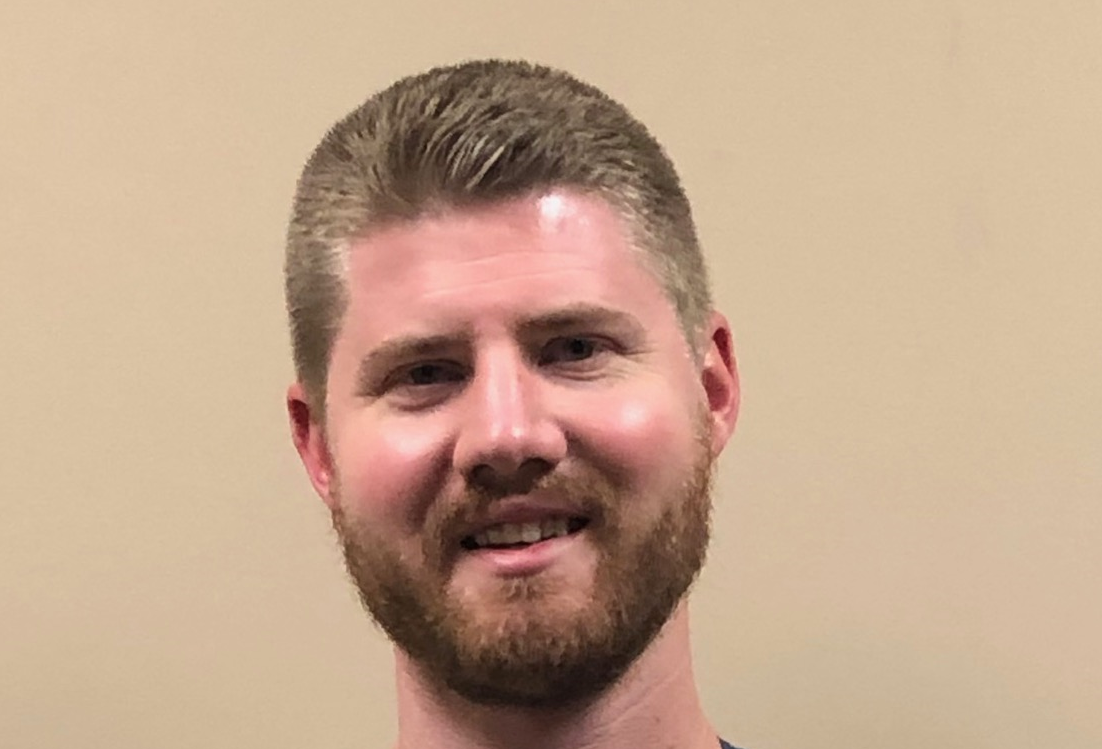
Jake Thornton, x-ray technician, Radiology, has discovered numerous issues with the Tele-Radiology reports because the Tele-rad service did not compare previous imaging. As a result, he has prevented two patient transfers to a higher level of care and discovered a host of additional discrepancies that otherwise would have been missed.
CNRV
CNRV has had a 65% increase in Great Catches since the beginning of SafeWatch.
Joshua Tickle, Maintenance, noticed that a fire hydrant had been buried under snow for an extended period of time. Joshua reported this safety concern and now access to fire hydrants is part of our checklist when responding and recovering from a snow event.
CRBH
CRBH has had nearly a 50% increase in Great Catches since the beginning of SafeWatch.
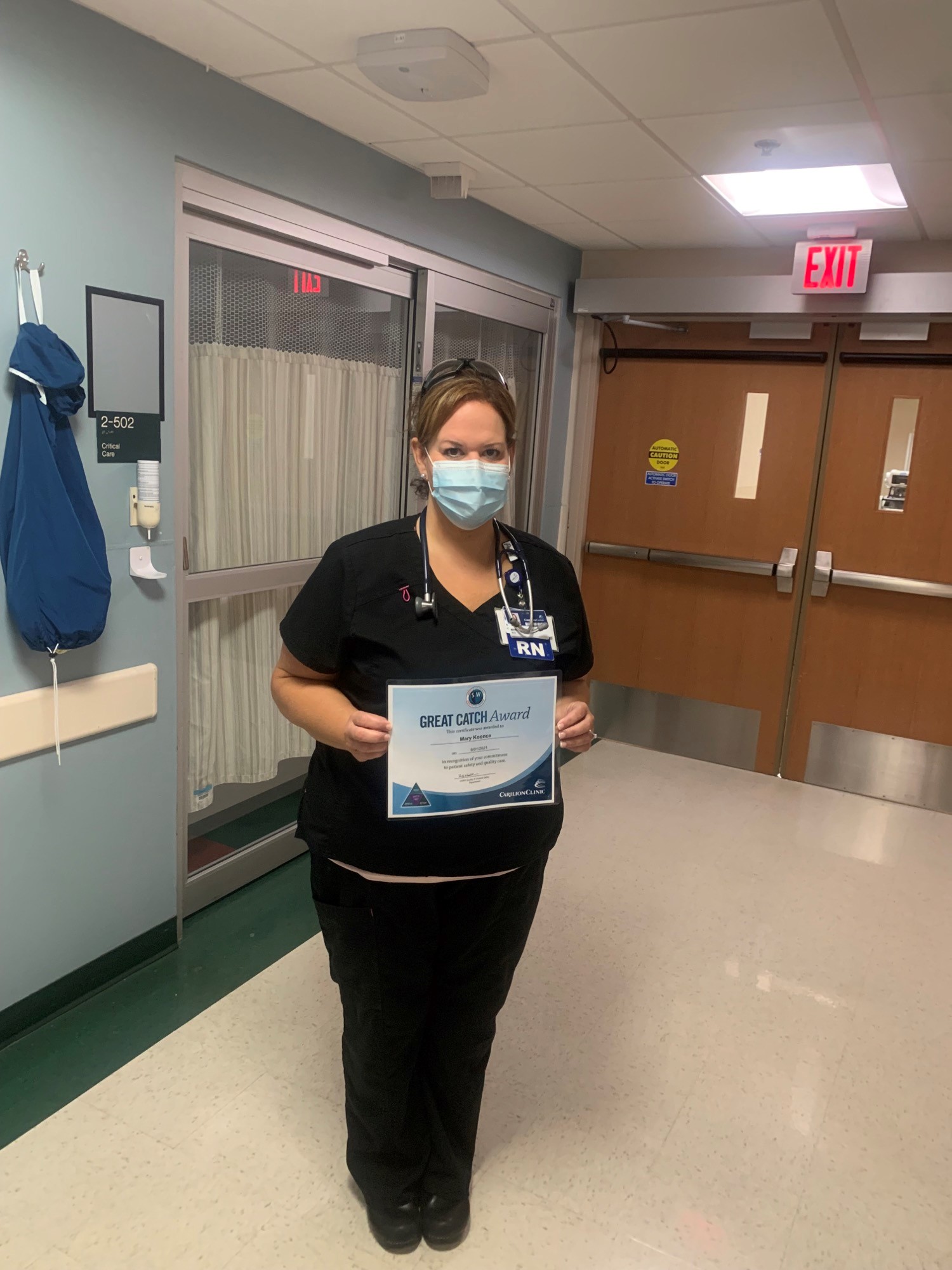
Mary Koonce, Nursing, had one of our initial SafeWatch Great Catches. In July 2017, Mary found an issue with how Cardizem IV was loaded in the IV pump medication directory. Mary’s SafeWatch led to a corrective action to the formulary to reduce chances of an error.
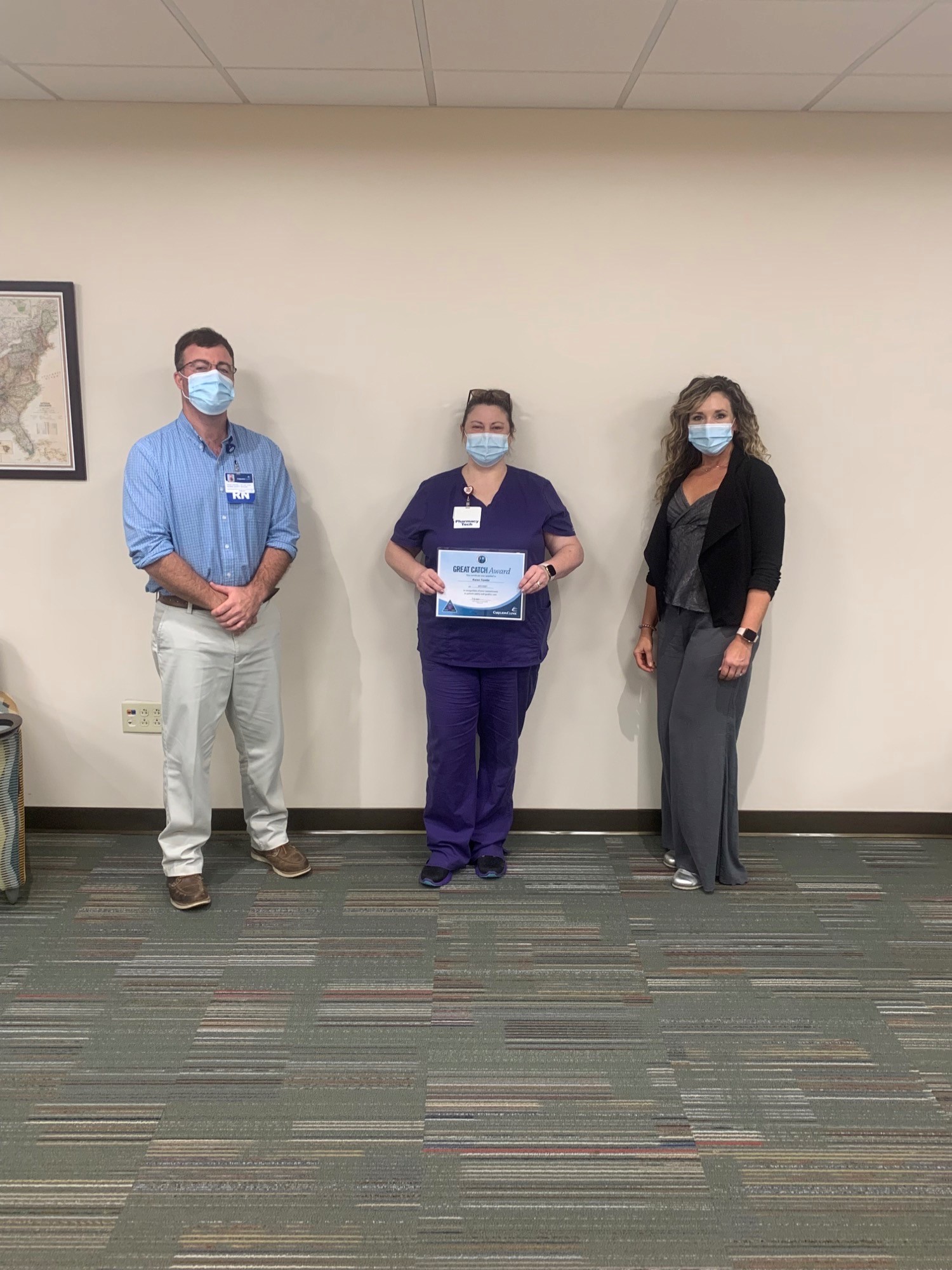
Karen Tomlin, pharmacy technician, has reported multiple Great Catches at CRBH. One of her Great Catches happened after she noticed a patient was taking too much blood pressure medication. Karen called the patient’s primary care provider and cardiologist to reconcile the patient’s dosages.
CRMH
CMC has had a more than 77% increase in great catches since the beginning of SafeWatch.
Nurses throughout CRMH reported a device issue to SafeWatch that led to a major recall. Cyndi Darnell, Melissa Wray, Rebecca Dixon, Sarah Miller, Teresa Scott and Amy Lucas all noticed a foley air port leaking. They each reported the common concern to SafeWatch and saved the faulty foley catheters. These SafeWatch reports led to FDA reports and the foley catheters were returned to the manufacturer. The manufacturer removed the air port before dispersing their product across the world.
CTCH
CTCH has had over a 359% increase in Great Catches since the beginning of SafeWatch.
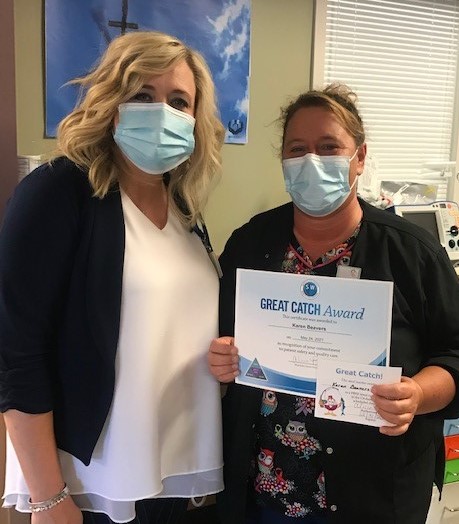
After noticing that the information on the crash cart was not clear, Karen Beavers, Emergency Department, followed up with Pharmacy. Now, the crash cart medication information has changed to assist clinicians who administer emergency medications.
Questions?
To learn more, visit the SafeWatch Reporting hub, If you have questions, ask your manager or the Quality and Patient Safety contact at your facility.
- CFMH: Robin Wunderlich, rrwunderlich@carilionclinic.org
- CGCH: Jennifer Bailey, jdbailey@carilionclinic.org
- CTCH: Alicia Bales, asbales@carilionclinic.org
- CNRV: Tiffany Morrison, tlmorrison@carilionclinic.org
- CSJH: Dixie Lewis, dslewis@carilionclinic.org
- Roanoke campus: Branden Robertson, brrobertson@carilionclinic.org
SafeWatch Stress Ball Trivia Questions
These resources may help:
1. Who is the preferred person to place a SafeWatch?
A. The individual that has a first-person perspective.
B. The provider of the patient.
C. The patient's nurse.
D. The manager where the incident occurred.
2. What can be reported in SafeWatch?
A. Communication breakdowns
B. Quality of care concerns
C. Deviance from Policy or Best Practice
D. All of the above
3. True or False: When placing a SafeWatch, only use factual information surrounding the event.
4. True or False: Email safewatch@carilionclinic.org to get additional follow-up on a SafeWatch.
5. True or False: 7Safe (540-981-7233) is a confidential line that is available for only CRMH.
Use this webform to submit your trivia answers by May 3. Answers put in the comments below will not be entered into the drawing. Twenty winners will receive a SafeWatch stress ball.
SafeWatch Reporting began in April 2017.
In five years, we've achieved over 28,000 Great Catches.
Reporting potential errors or process issues helps us make improvements to keep our patients safe.
If you have a Great Catch to report, use SafeWatch or call the 7-SAFE (7-7233) line.
