The History of Hand Hygiene in Health Care
Hand hygiene in health care is a surprisingly new trend. Here's the history behind what we now know to be one of the most important ways to keep ourselves and our patients safe.
Ignaz Semmelweis, a Hungarian doctor working in Vienna General Hospital, is known as the father of hand hygiene. In 1846, he noticed that the women giving birth in the medical student/doctor-run maternity ward in his hospital were much more likely to develop a fever and die compared to the women giving birth in the adjacent midwife-run maternity ward. He decided to investigate, seeking differences between the two wards.
He noticed that doctors and medical students often visited the maternity ward directly after performing an autopsy. Based on this observation, he developed a theory that those performing autopsies got ‘cadaverous particles’ on their hands, which they then carried from the autopsy room into the maternity ward. Midwives did not conduct surgery or autopsies, so they were not exposed to these particles.
As a result, Semmelweis imposed a new rule mandating handwashing with chlorine for doctors. The rates of death in his maternity ward fell dramatically. This was the first proof that cleansing hands could prevent infection.
Source: https://globalhandwashing.org/about-handwashing/history-of-handwashing/
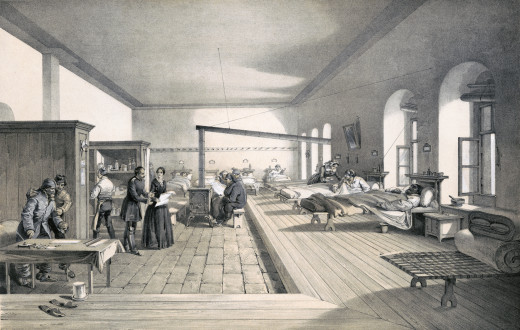
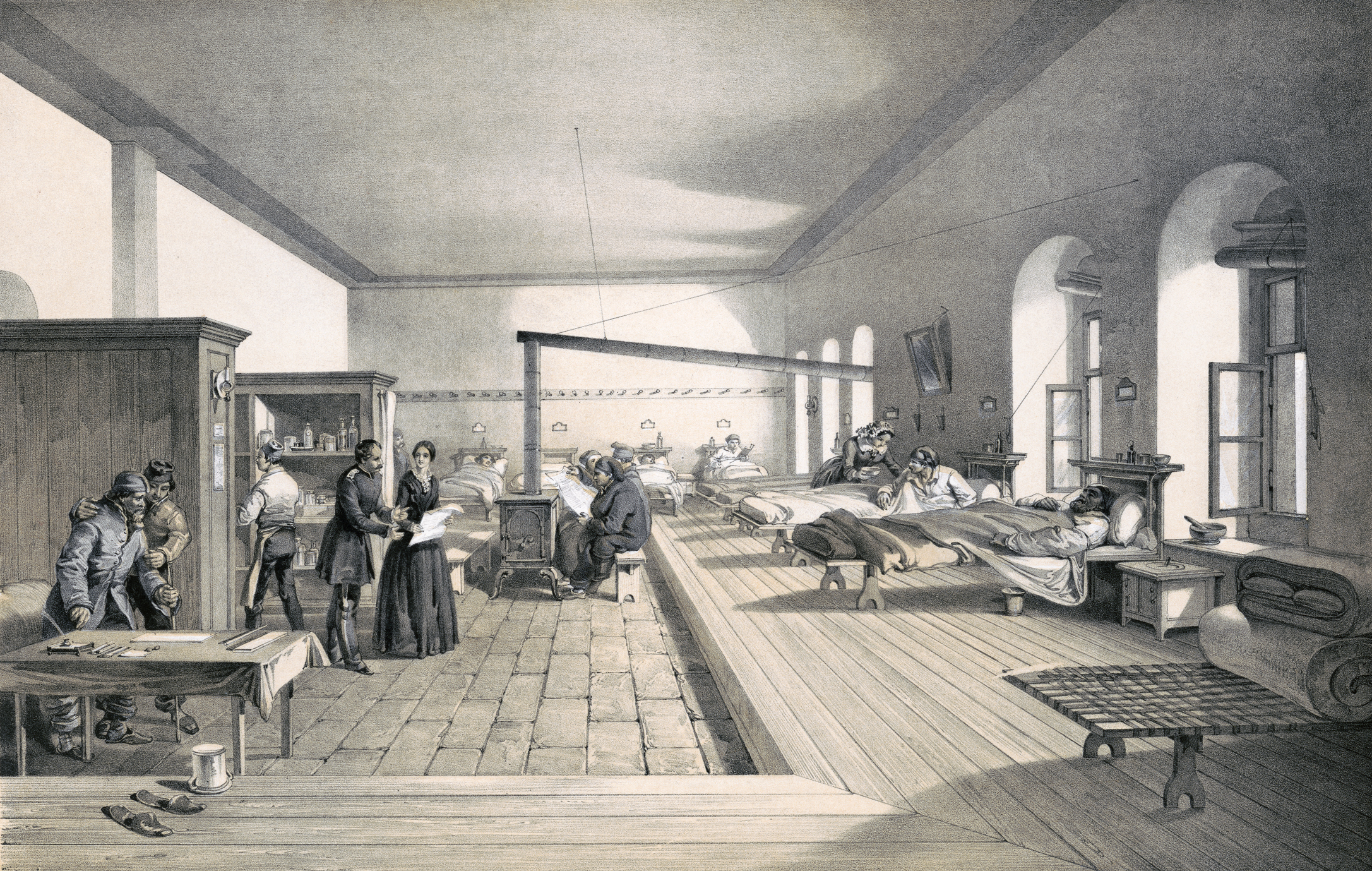
In 1854, news reports began carrying alarming headlines of the dangerous, deplorable conditions in British hospitals outside of Istanbul (then Constantinople) during the Crimean War. Florence Nightingale swung into action, and by October, she and nearly 40 of her trained nurses were on their way to the front. They were shocked by what they found—severe overcrowding, poor food supplies, shoddy management and filthy quarters that were a breeding ground of infectious diseases like cholera, typhoid, typhus and dysentery.
Nightingale and her nurses went to work, scrubbing every inch of the facilities, insisting on regular bathing of patients and frequently changed, fresh linens from a newly established laundry. She solicited donations from Britain to purchase desperately needed bandages and soap and served specialized meals out of a new commissary. She railed against the poor ventilation and sewage system, insisting on bringing as much fresh air to the facility as possible, a decision that would influence the building of future hospitals around the world.
Within six months of her implemented changes, the hospital’s mortality rate had dropped precipitously from its previous high of 40 percent.
Upon her return from the Crimean War, Nightingale quickly put her fame to use. At the behest of Queen Victoria and Prince Albert, she wrote an extensive study, using her records to highlight the deadly toll of poor hygiene and sanitary conditions in British Army hospitals and military camps, leading to a massive reorganization of the British War Office. Nightingale estimated that 10 times as many British soldiers died from disease than combat during the war.
Source: https://www.biography.com/news/florence-nightingale-hygiene-handwashing
The History Channel also has a short video for kids about Florence Nightingale.
In the second half of the 19th century, scientists were beginning to use statistics, data collection, and other strategies that are now considered standard. Simultaneously, universities in Europe and the U.S. were building up their science programs.
Within that context came a series of advances by researchers such as French biologist Louis Pasteur, who helped link microorganisms to disease; and British surgeon Joseph Lister, who pioneered the use of antiseptic in surgeries.
Cultural developments also changed the way people thought about hygiene.
In the late-19th century, Proctor & Gamble, Colgate Palmolive and other businesses launched major marketing campaigns for their soap products, primarily for use on laundry at first. Originally, soaps for body care were made by separate companies that promoted the role of soap for beauty purposes and targeted middle- and upper-class markets. And while public-health officials promoted personal hygiene for health on a smaller scale, soap companies tapped into mass-circulation newspapers and then magazines, radio and TV to spread their messages about soap’s benefits from the late-19th century through the middle of the 20th. Their popularization of personal hygiene and domestic cleanliness reached into all segments of society.
Source: https://www.popularmechanics.com/science/a31982721/history-washing-hands/
The 1980s represented a landmark in the evolution of concepts of hand hygiene in health care. The first national hand hygiene guidelines were published in the 1980s, followed by several others in more recent years in different countries. In 1995 and 1996, the CDC/Healthcare Infection Control Practices Advisory Committee (HICPAC) in the USA recommended that either antimicrobial soap or a waterless antiseptic agent be used for cleansing hands upon leaving the rooms of patients with multidrug-resistant pathogens.
More recently, the HICPAC guidelines issued in 2002 defined alcohol-based handrubbing, where available, as the standard of care for hand hygiene practices in health-care settings, whereas handwashing is reserved for particular situations only.
Source: https://www.ncbi.nlm.nih.gov/books/NBK144018/