The Weight We Carry—Perspectives from Schwartz Center Rounds Panelists
Karen’s Story
In January, I will have been an emergency physician at CRMH for 20 years—more than 18 as medical director of emergency psychiatry. I know the rates of workplace violence against healthcare workers. We are among the most likely people in the world to be assaulted, severely injured, or killed on the job.
In a town this size, you know your patients. In behavioral health, you may know them very, very well—their names, their kids’ names, their favorite drink, their stories and triggers. You see them on the Greenway, at Kroger, downtown or near the fields by the hospital. One patient cheered me on during half-marathon training, then later threatened our staff so severely their name was escalated to Legal and the C-suite.
Brian, Clarence, William, Bill, Kim, Justin, Michael, Charles—some are gone, but all still live with me. I’ve hugged them, sat with them, been yelled at and threatened by many of them.
When patients come to us in psychiatric or substance use crisis, they may be intoxicated, depressed, exhausted, withdrawing—and sometimes mean. They threaten us, assault staff and police, and now, when fewer are taken to jail, we keep managing them in the ED. I’m small, but I’m a redheaded hockey mom named Karen, so I can stand my ground. Still, I’m not trained to physically manage a psychotic patient who may be 300 pounds and high on meth. Some of our technicians and nurses are young, small, and still learning.
We now have weapons detection systems in our Carilion facilities. Every month, police and security remove knives, firearms, and other weapons from patients and visitors. ED staff can worry a little less about being shot or stabbed—but we still fear patients who may lash out without warning.
When a patient is especially threatening, we can flag them in Epic, or in severe cases, ban them from Carilion property. They still receive a medical screening exam, but if there is no emergency, they can be removed.
I fear I may someday be severely harmed by one of our patients. Statistically, that is very likely. I also worry that if some long-time patients are banned from Carilion, they may have nowhere else to receive care.
What is their safety net? I don’t know. I only know no one should fear for their life while working a shift.
Brittany's Story
When I think about fear in healthcare, I picture an angry patient, an unexpected code, or the realization that I may have made a mistake. But some of the fear that has stayed with me the longest had nothing to do with my patients. It came from the people I worked with.
Early in my ICU career, I cared for a paralyzed patient. As a newer nurse, I checked everything twice and tried to give the best care I could. At shift change, a more experienced nurse pointed out everything she thought I had done wrong—sedation, tube feeding, IV lines, even the room setup. It felt like my entire shift was being dissected. I drove home replaying every word. I barely slept that night and even questioned whether I was cut out for the ICU. I considered calling in sick the next day—not because I was sick, but because I didn’t want to face that coworker.
That experience still bothers me, but not because she corrected me. Feedback is essential in healthcare. But there is a difference between feedback and fear. Feedback helps us grow. Fear makes us smaller.
I've felt that fear in other ways, too. I remember rehearsing what I would say before calling certain physicians—not because I didn’t know what my patient needed, but because I was afraid of sounding stupid or being dismissed. Most healthcare workers can probably name someone they have dreaded giving report to, calling, or questioning.
That matters. When fear changes whether we ask the question, make the call, challenge something that doesn’t seem right, or admit we need help, it becomes a patient safety problem.
Now, as a leader, I carry that lesson differently. Difficult conversations are part of healthcare because accountability matters. But I worry just as much about what someone feels when they walk away from a conversation with me. Did they feel heard? Did they feel respected? If they make a mistake tomorrow, will they tell me? If they don’t know something, will they ask?
I’ve thought about that nurse many times. I don’t know what she intended; she may have believed she was teaching me. But intent and impact are not always the same. I can’t remember every detail of that patient’s care, but I remember exactly how I felt walking out of that report.
It stayed with me because it shaped the coworker—and eventually the leader—I wanted to become.
We will never eliminate fear from healthcare. There will always be critically ill patients, uncertainty, mistakes, and difficult conversations. But long after people forget the details of a shift, they remember the people who made them afraid to speak—and the people who made them feel safe, too.
Fear will always be part of healthcare, but maybe it doesn’t have to come from each other.
Schwartz Center Rounds
Karen Kuehl and Brittany Hendricks shared their perspectives above during last month's Schwartz Center Rounds, speaking from their experiences as caregivers.
That's the power of Schwartz Center Rounds—they provide a safe space to reflect on the emotional and human side of our work in healthcare. Sessions are centered around real experiences and include perspectives from both clinical and non-clinical employees.
By hearing stories like this, we can:
- Recognize that others have similar experiences and challenges
- Reflect on their own interactions with patients and families
- Connect the value of compassion and presence to everyday work
Schwartz Center Rounds are not focused on clinical outcomes or processes, but rather the emotional and human experience of caregiving. The program helps healthcare workers understand that what we bring to each interaction—even in the small moments—matters.
For more information about Schwartz Center Rounds and the upcoming topics, contact Deb Ferron, Clinical Ethics, at dmferron@carilionclinic.org or Phyllis Whitehead, Clinical Ethics, at pbwhitehead@carilionclinic.org.
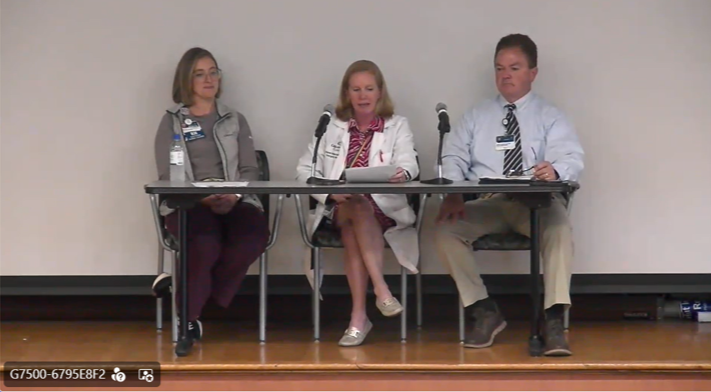
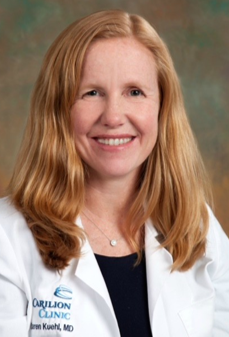
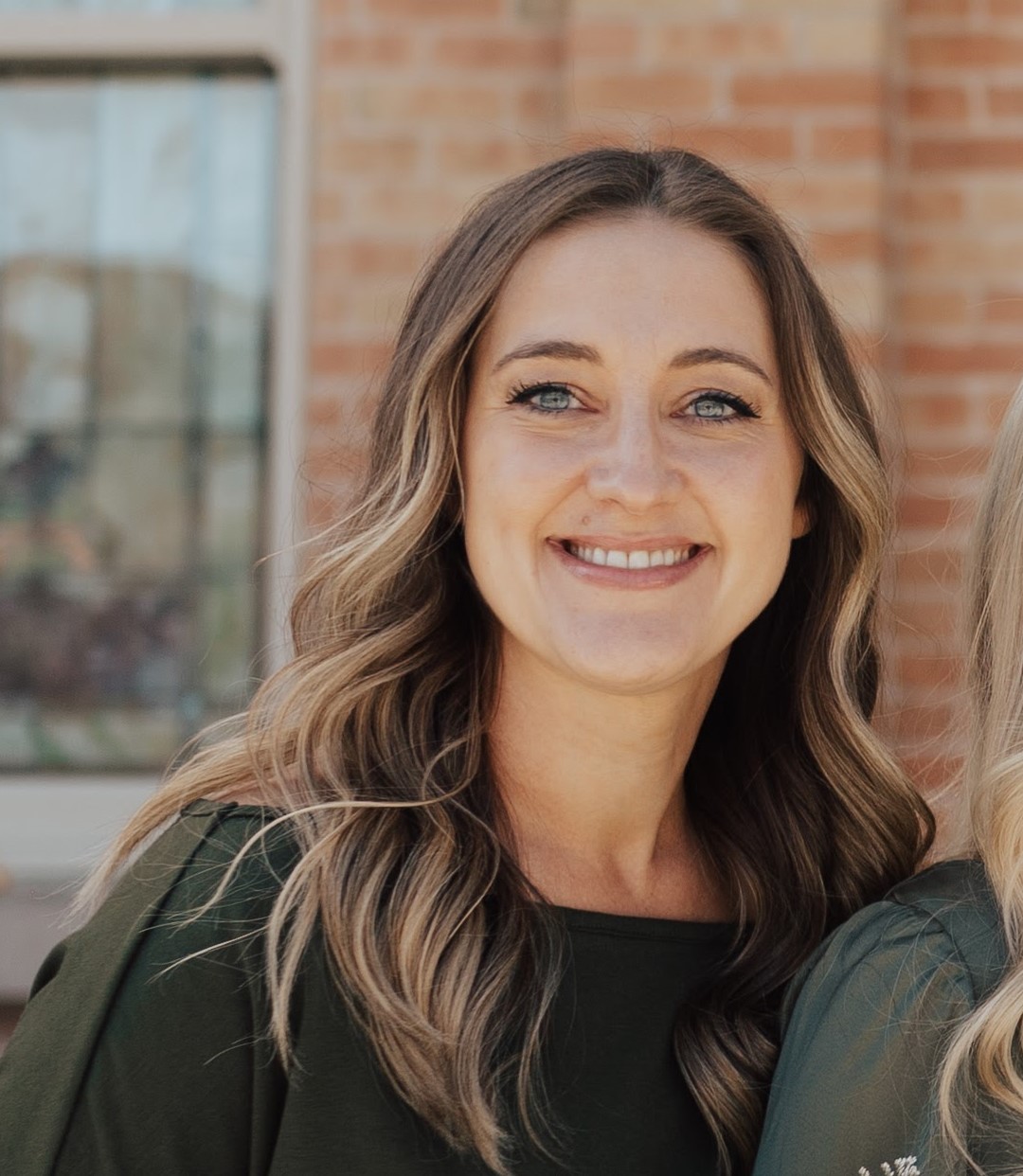

Karen Kuehl, a physician in Emergency Medicine at CRMH, Brittany Hendricks, a nursing unit director on 8 Mountain ICU, and Captain Mark Gilbert, with Carilion Police and Security, were panelists at last month's Schwartz Center Rounds; they shared their view on caring for others when we feel unsafe; read Karen and Brittany's stories below.
The Schwartz Center Rounds program offers opportunities to gather with colleagues to share experiences and reflect on the emotional and psychosocial impact of our work. Schwartz Center Rounds are open to all employees and are impactful for everyone as we are one team, caring for our patients and each other.
Register to attend the next Schwartz Center Rounds on Sept. 22. The topic is "The Lasting Impact of Suicide Upon Healthcare Workers." It will be held at multiple locations and virtually.
