From the ER to Outer Space: Aerospace Medicine Summit Launches New Residency Year
U.S. Navy Reserve Capt. Brendan Byrne, MD, never expected to be part of the elite medical recovery team chosen to care for the four Artemis II astronauts after splashdown in April. But a series of unexpected events―combined with his specialized training in hyperbaric, tactical and austere medicine―placed him aboard the U.S. Navy recovery vessel off the coast of San Diego.
As the recovery team prepared for the astronauts' return after 10 days in space, Byrne considered the wide range of medical issues they could face following prolonged exposure to zero gravity and the intense physical demands of atmospheric re-entry.
"The effect of a high-speed motor vehicle accident doesn't begin to compare to the kind of G-forces astronauts experience," Dr. Byrne said.
Dr. Byrne shared the unique clinical challenges of spaceflight as the opening speaker at the VTC Aerospace Medicine Summit earlier this month, where he joined NASA flight surgeons, military physicians and emergency medicine and other experts to challenge our 35 Emergency Medicine residents to expand their view of patient care as they begin a new academic year.
His presentation set the tone for a day focused on practicing medicine in extreme environments and applying those lessons to emergency medicine.
Another speaker was Craig Kutz, MD, PhD, of NASA’s Johnson Space Center in Houston, who was the responding flight surgeon for the SpaceX Dragon Endeavour’s return from the International Space Station in January after 166 days due to a medical incident.
“Sea-level is boring. Space is sexy,” he said, explaining a career path that has included an undersea fellowship and stint in the Himalayas.
The summit also highlighted the challenges of caring for patients in some of the world's most remote and demanding locations. Col. Greg Stiller, MD, of the Wyoming National Guard, shared lessons from his work in Antarctica and Afghanistan. As an emergency medicine physician in Antarctica, Dr. Stiller learned to process laboratory specimens and take X-rays himself. In Afghanistan, he had to intubate a patient on the tail of a cargo plane moments before takeoff.
“Learn everything you can because you’re going to have to figure it out on the fly,” he said. That’s what makes emergency medicine interesting.”
While our residents aren’t likely to face the kinds of situations the speakers described while they are working at Carilion, they have to be ready for “whatever comes in the door,” said Seth Pekoe, DO, a third-year EM resident. "So much of what we do―from interventions to the way we train and respond under stress―comes from the military and the battlefield.”
The discussion then shifted from clinical challenges to leadership and decision-making under pressure. Cmdr. Matthew Doubrava, MD, a U.S. Navy flight surgeon and former senior medical officer aboard the aircraft carrier USS Harry S. Truman, introduced residents to the OODA loop, a model for making decisions in rapidly changing situations.
“We tend to think the solutions in medicine are in medicine. Yet, the most successful organizations are those that excel at decision-making,” said Dr. Doubrava.
“Decisions without actions are pointless. Actions without decisions are reckless.”
That broader perspective resonated with first-year resident Elizabeth Gienger, MD.
"I especially appreciated hearing about human factors and the systems approach to healthcare, thinking beyond the tactical level of daily patient encounters," she said.
Dr. Gienger is among the 12 new Emergency Medicine residents, who over the next 3 years will train at CRMH―which is among the nation's top 5% of high-acuity academic emergency departments. They’ll also gain experience at our community hospitals and ambulatory sites, learn to navigate regional resources and the transfer system, and develop the leadership skills needed to succeed in today's increasingly complex healthcare environment.
Nick Tsipis, MD, Emergency Medicine physician and residency core faculty member, organized the Aerospace Medicine Summit and hopes to make it an annual event.
“What better way to inspire residents and expand their view of what we can do as physicians?” he said.
Interested in learning more? Here's recommended reading from our speakers:
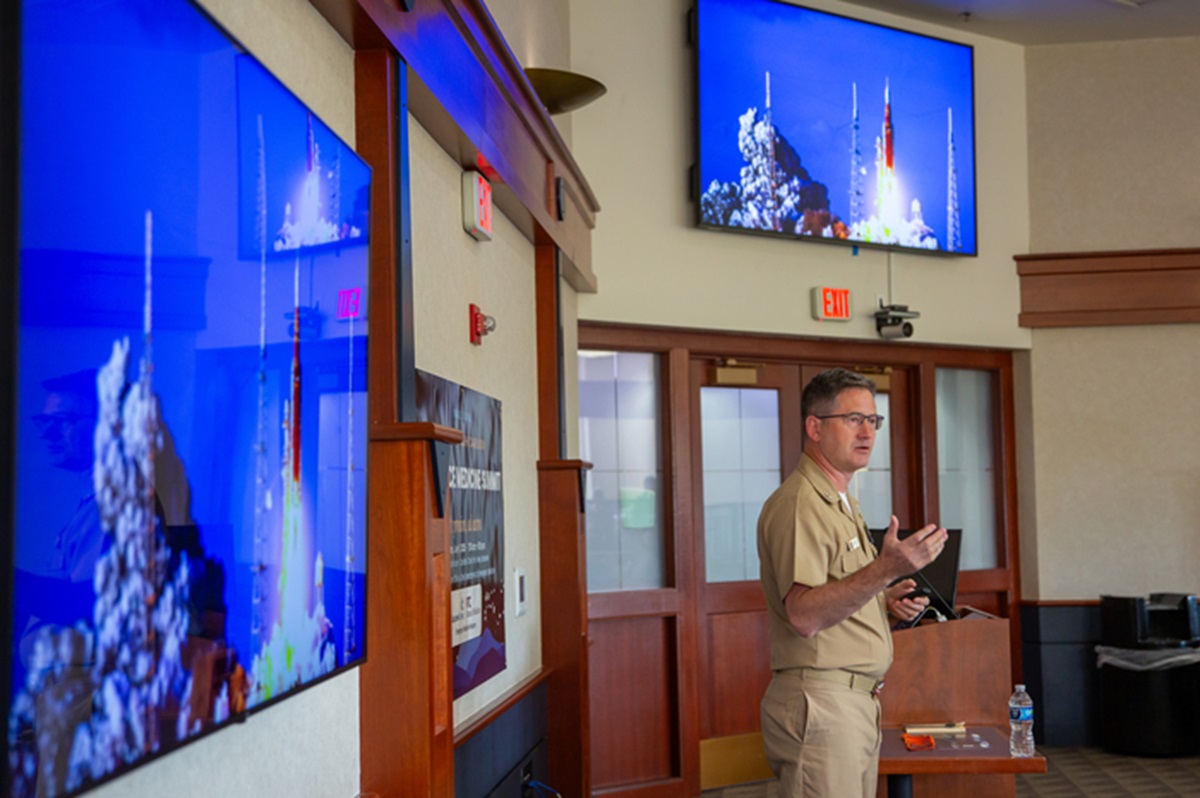
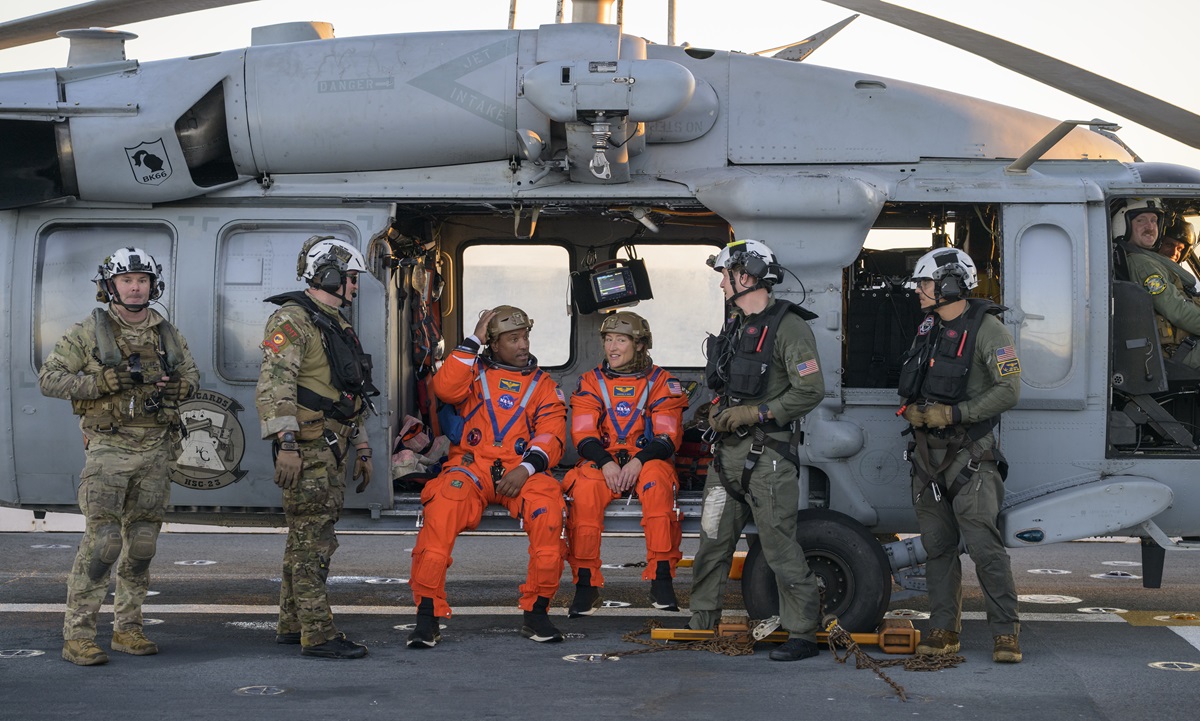
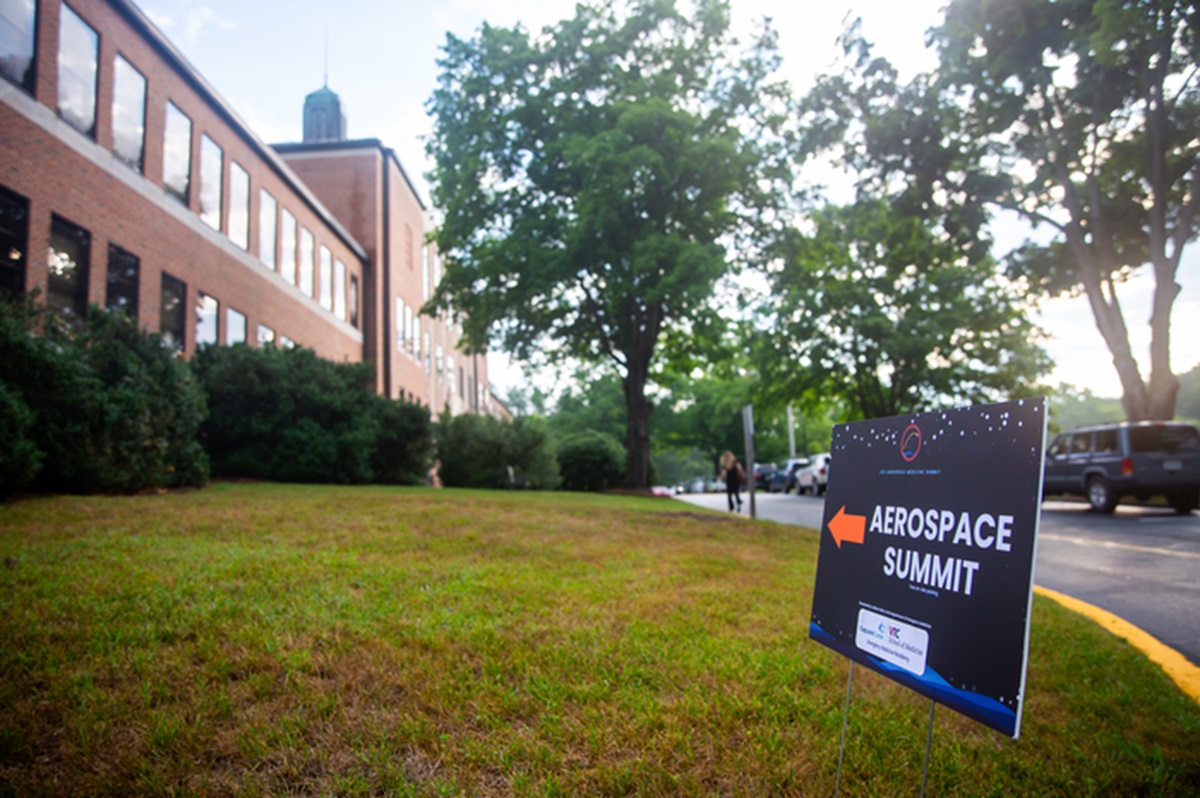
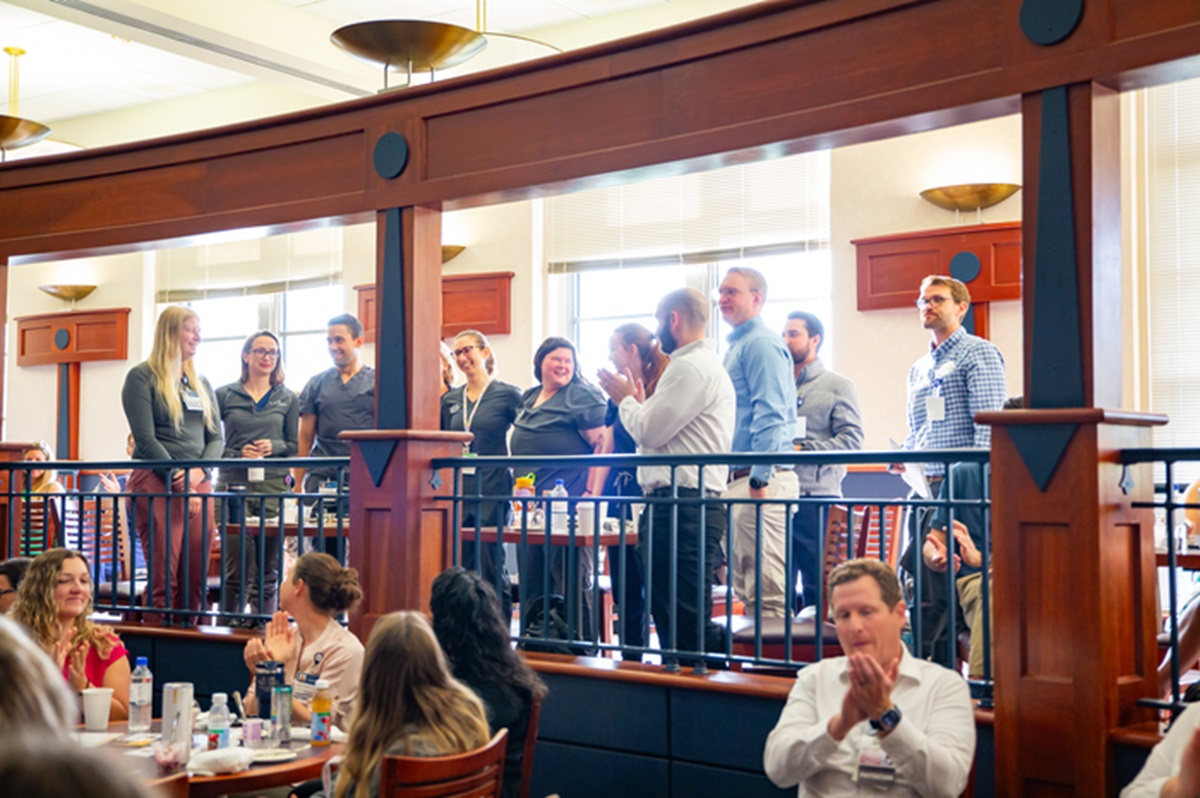
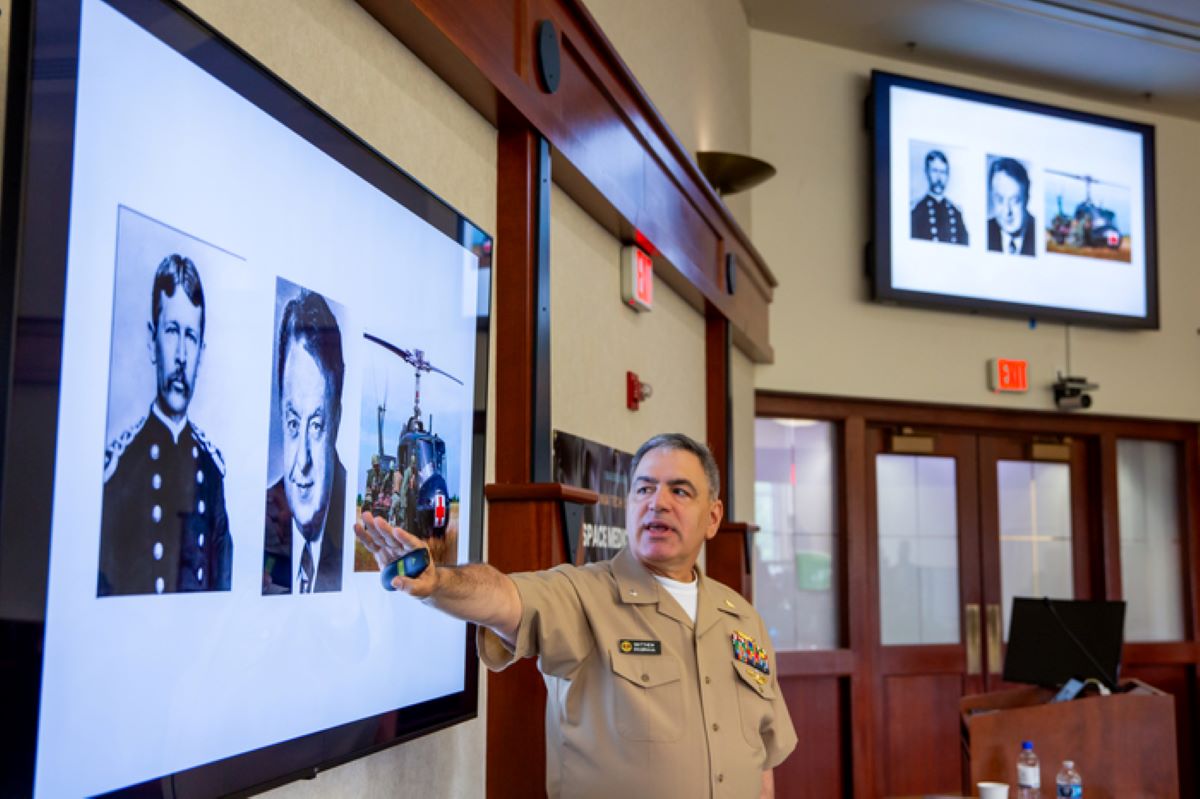
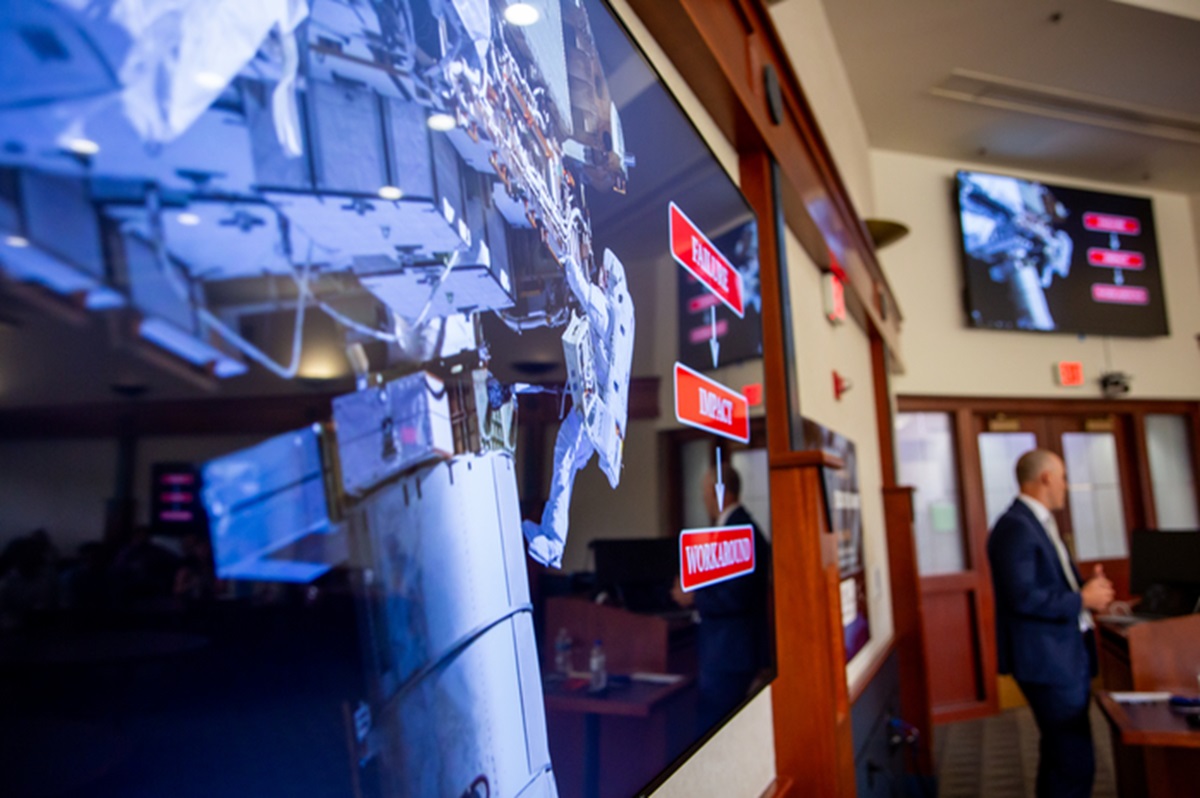
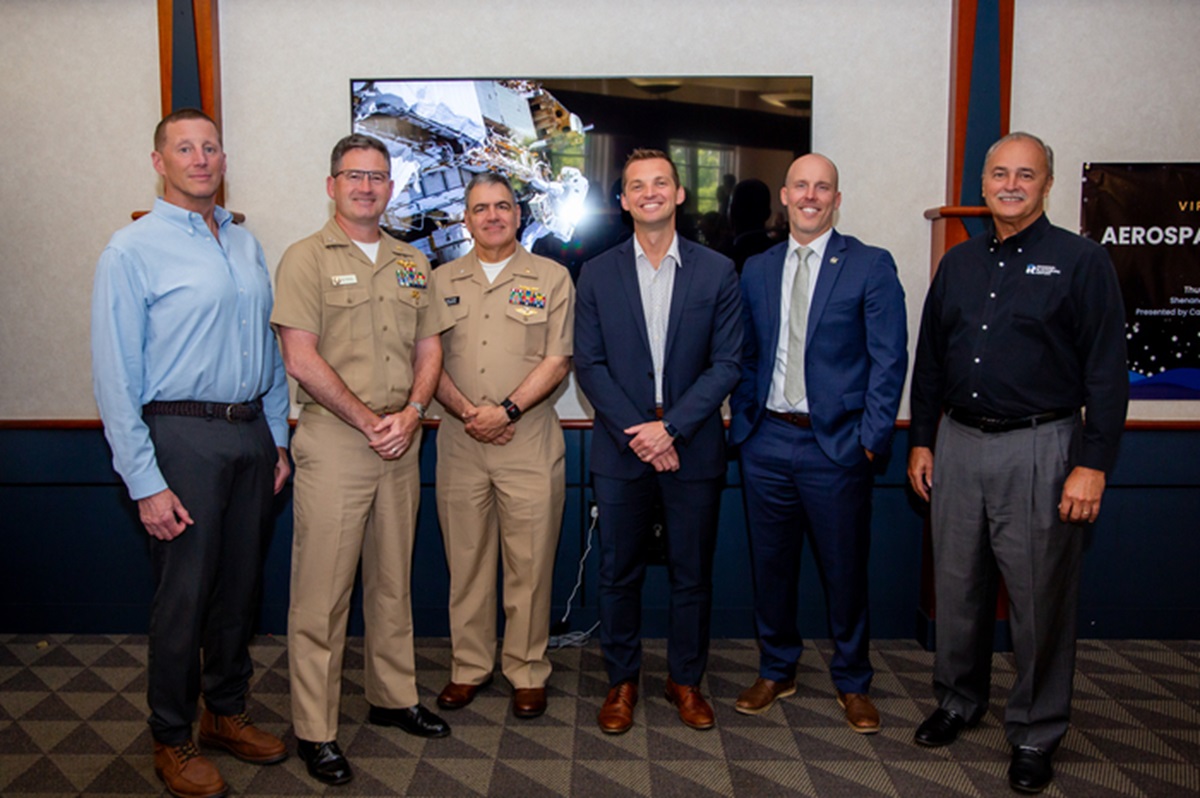
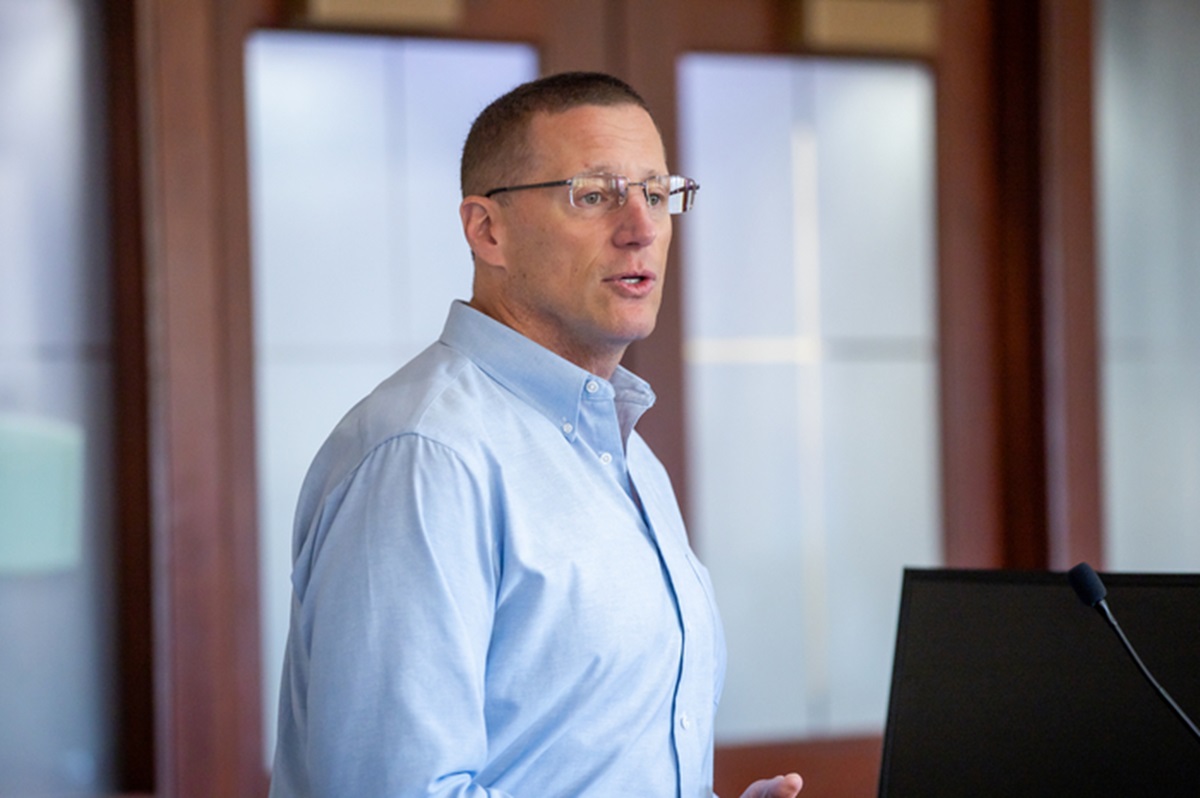
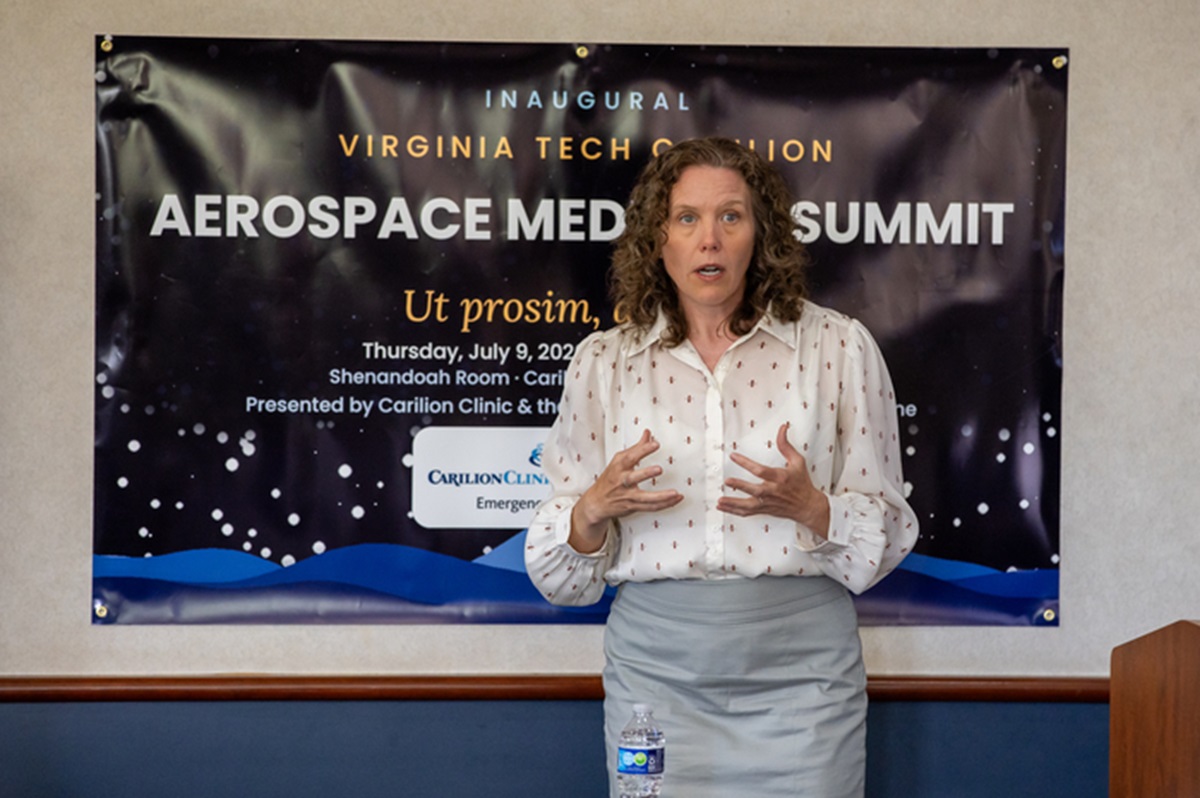
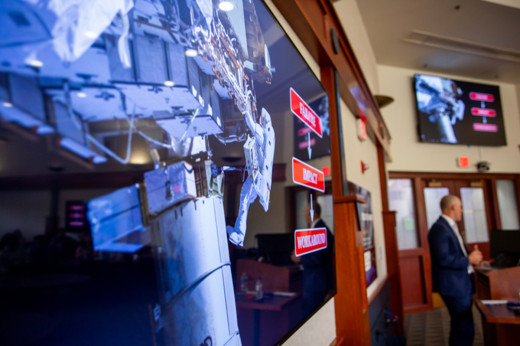
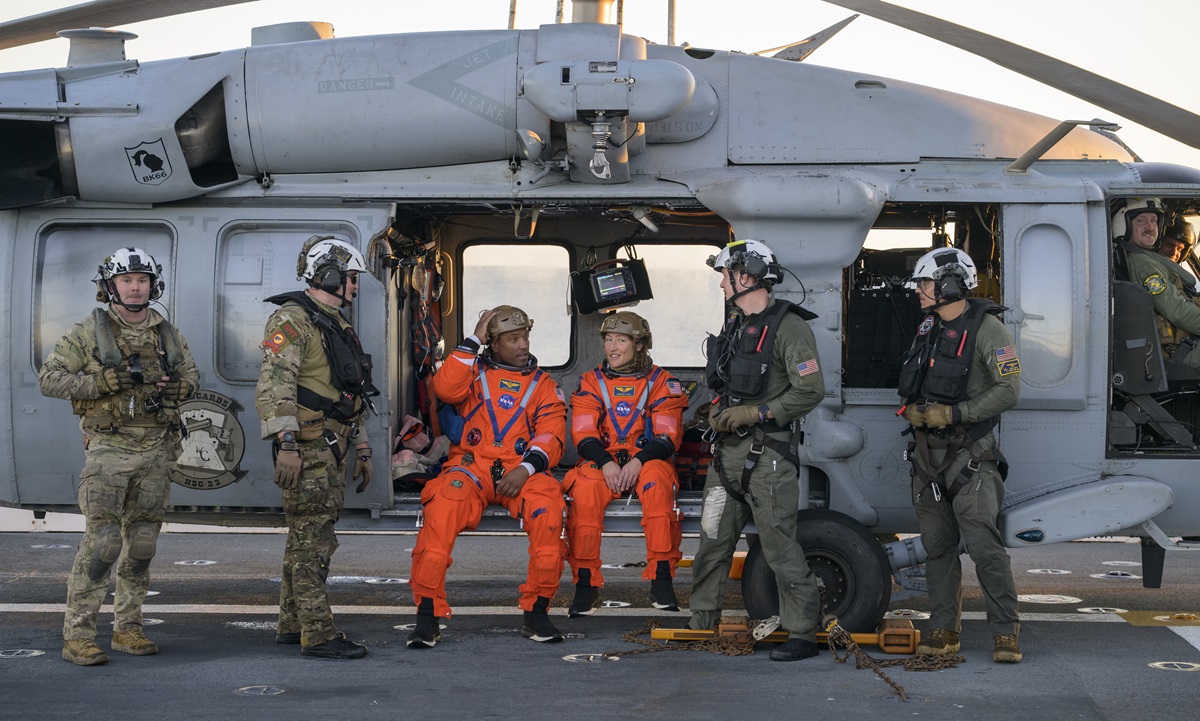
NASA, military, and medical experts challenged our Emergency Medicine residents to expand their perspective at the VTC Aerospace Medicine Summit earlier this month.
Drawing on lessons from aerospace and military medicine, speakers emphasized the importance of being able to adapt and respond effectively to complex and unpredictable healthcare challenges.
The event marked the start of the program year for the Carilion Clinic–Virginia Tech Carilion School of Medicine Emergency Medicine residency.
