Speaking Their Language: Biodesign Fellows Create Translation Tool
In Spanish, los dientes means “teeth.”
Una carie is a cavity.
Rayos equis: x-rays.
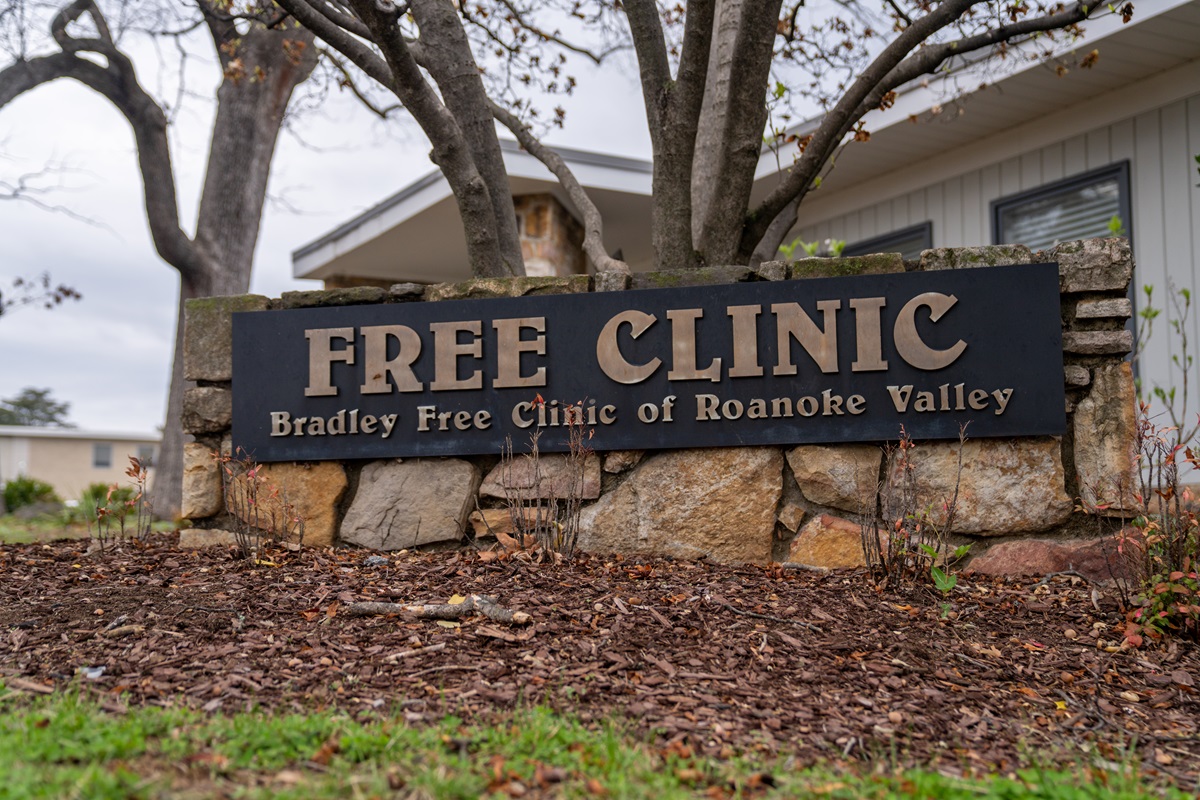
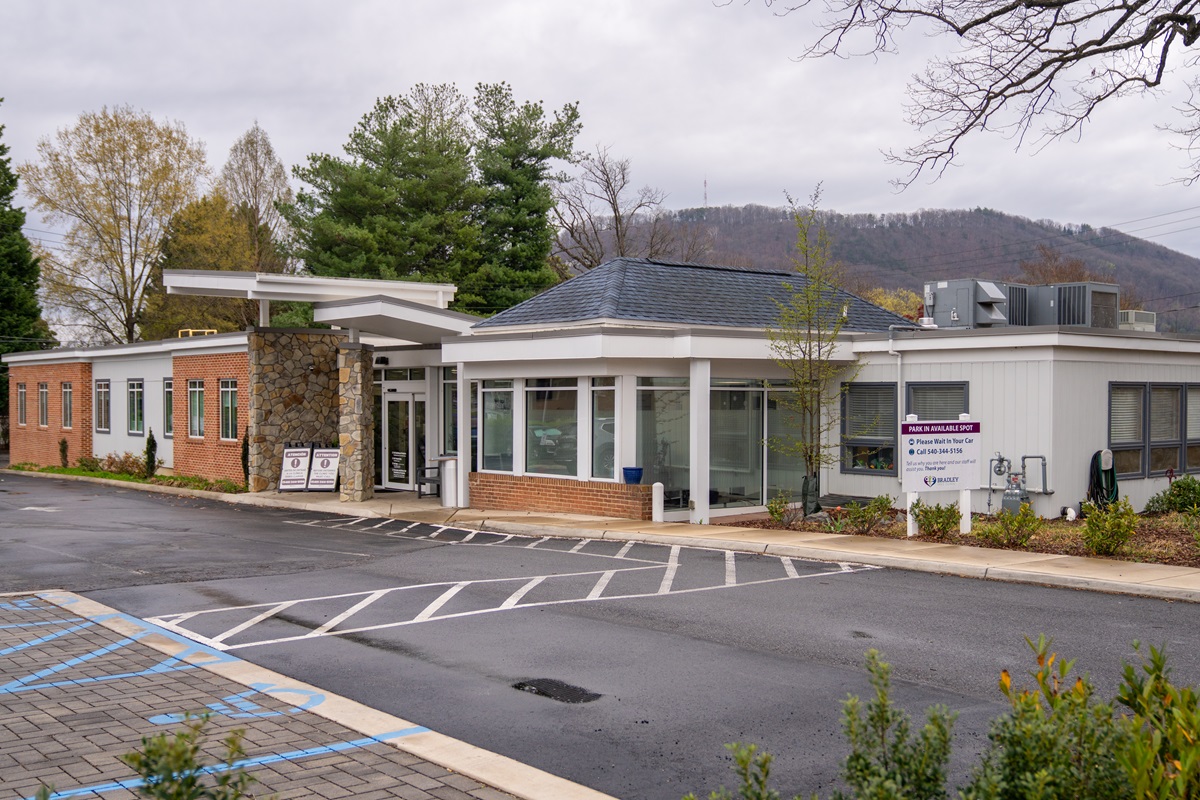
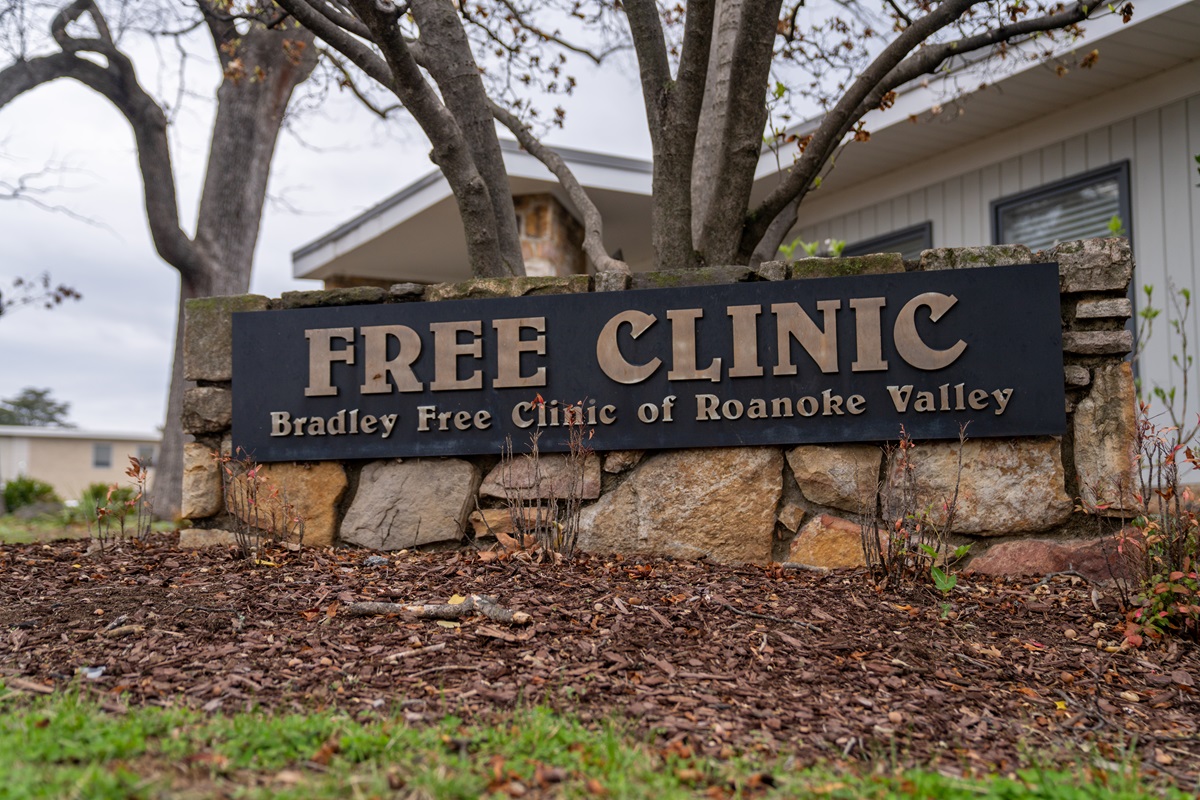
In the small dental office at Roanoke’s Bradley Free Clinic, these translations and dozens more are found on laminated lists and handwritten notes tacked up in the examination room, next to the front desk, and on the x-ray machine—prompts for dentists and hygienists trying to communicate with their growing Spanish-speaking clientele.
The challenge was obvious to Ridi Barua, Sarah Scheerer, and Mahrukh Siddiqui, who are fellows in the pilot Carilion Clinic Biodesign Program at Virginia Tech. The program is a unique joint effort between our organization and Virginia Tech’s Department of Biomedical Engineering.
The program pairs fellows with a clinical background with those with an engineering background to create a small cohort that can explore innovative solutions to healthcare challenges, all while they pursue a master’s degree in biomedical engineering through the Virginia Tech-Wake Forest University School of Biomedical Engineering and Sciences.
By the time the 3 fellows visited the Bradley Free Clinic, they’d spent months immersing themselves in Carilion's hospitals and practices across Southwest Virginia. They observed and identified challenges, asked questions about pain points and gaps in care, and brainstormed possible improvements.
“With clinical and engineering skills represented in each cohort, the teams are able to both effectively identify a need in medicine and solve it. This innovation really shines because it brings patients into their own care, which is our goal as physicians,” said David Salzberg, MD, who co-directs the Carilion Clinic Biodesign Program at Virginia Tech along with Chris Arena, professor of biomedical engineering at Virginia Tech.
Making Clinical Challenges an Engineering Opportunity
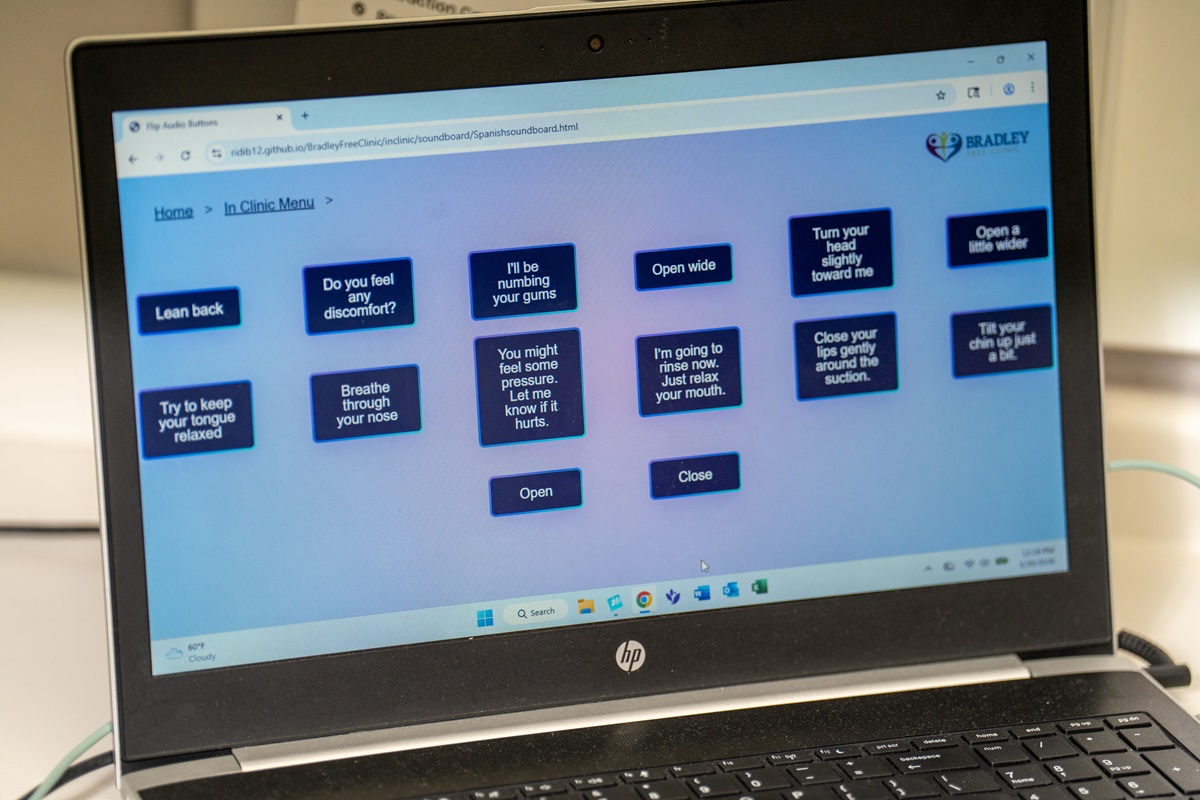
What was a problem for Bradley Free Clinic was an open door for Barua, Scheerer, and Siddiqui. Their idea was to develop a language-assistive website with a soundboard that, at the press of a button, would recite words, phrases, or sets of instructions in Spanish, from “Lean back” to “Turn your head slightly toward me.”
Over months, they worked with dentists and a hygienist on staff at the Bradley Free Clinic to develop scripts for common procedures. Then they built out a webpage on the open-access platform GitHub, learning HTML and CSS along the way.
This spring, dentists in the clinic started testing the website and its soundboard with real patients. So far it’s been a success. No more scrambling to use online translation tools. No more dropping calls with the language line just to translate “open wide.” The fellows also created an educational component on a patient-facing page of the website, with instructions on aftercare and videos demonstrating proper brushing and flossing technique, plus a handful of simple takeaways that make it more likely that patients will comply.
While the clinic still uses human translators, especially for complex conversations, the website holds a lot of promise to ease communication issues, thus reducing the wait times and expense associated with translation.
“It fills such a great need. It will definitely make life easier for our dentists and our dental assistants and for our patients overall,” said clinic director Janine Underwood.
The Bradley Free Clinic translation project was the cohort’s fifth; they also developed a prototype of a red blood cell filtration device meant to make blood transfusions safer.
This story was excerpted from the Spring 2026 edition of Virginia Tech Engineer. To read the complete story, visit Virginia Tech's website. Story by Melody Warnick. Photos and video by Lee Friesland.
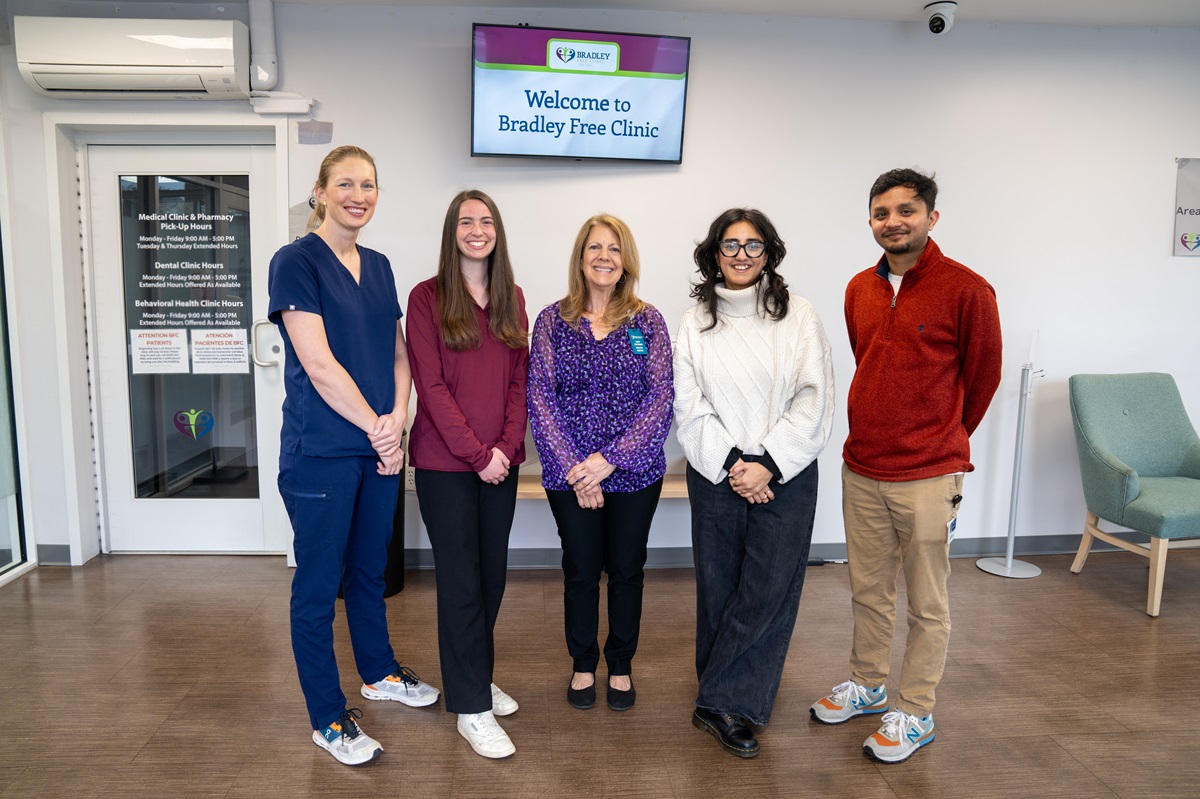
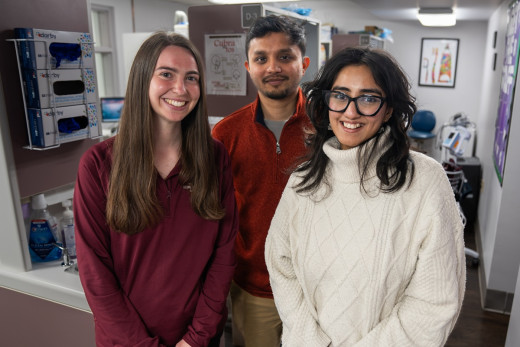
Above, from left to right: Sarah Scheerer, Ridi Barua, and Mahrukh Siddiqui.
Before joining the Carilion Clinic Biodesign Program at Virginia Tech in fall 2024, Mahrukh Siddiqui was a doctorate-level pharmacist who’d also worked in pharmaceutical marketing. Ridi Barua, with a mechanical engineering degree from Virginia Tech, had been working at a life science startup in Blacksburg’s Corporate Research Center, while Sarah Scheerer had recently graduated from Virginia Tech’s undergraduate biomedical engineering program.
All three graduated this spring from Virginia Tech with an M.S. in biomedical engineering and a range of biodesign skills under their belt.
Graduate students in the Carilion Clinic Biodesign Program at Virginia Tech have created a translation tool to ease communication with the growing number of Spanish-speaking patients at Bradley Free Clinic in Roanoke.
The 2-year program is a unique joint effort between Carilion and Virginia Tech’s Department of Biomedical Engineering.
It pairs those with a clinical background with those with an engineering background to explore innovative solutions to healthcare challenges while they pursue a master’s degree in biomedical engineering.
