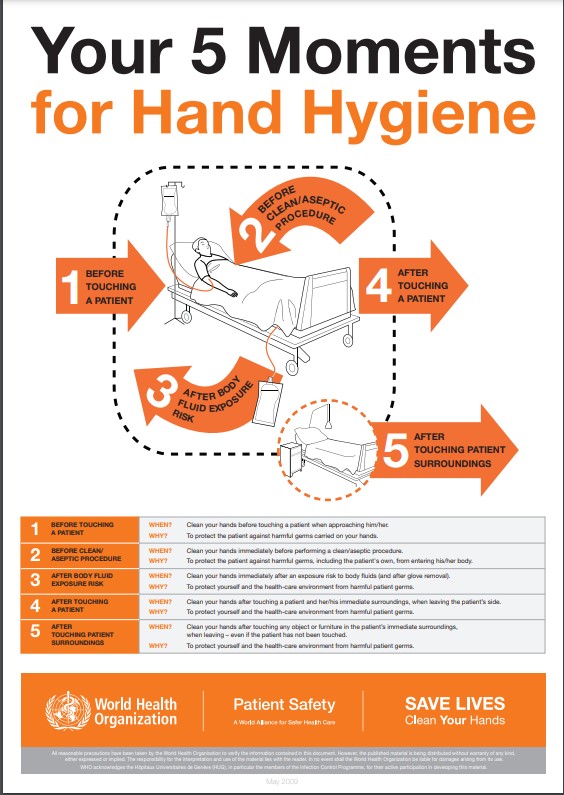
We Picked the New Hand Hygiene Frog!
Hand hygiene is the best way to prevent and reduce healthcare-transmitted infections. Thanks to your help, we have a new frog mascot to include on posters, articles and more as a visual reminder of proper hand hygiene. Read below to see how this fun acronym helps us to keep proper hand hygiene top of mind!
FROG (Friction Rubs Out Germs)
For proper hand hygiene, lather your hands by rubbing them together with soap. Make sure to lather the backs of your hands, between your fingers and under your nails. This creates friction that helps lift dirt, grease and microbes from the skin.
Hand hygiene is the foundation for excellent patient care and a requirement among employees for reporting agencies. It’s a simple and effective infection prevention strategy that makes a big difference in keeping our patients safe and saving our hospitals’ resources.
The best practices we follow for hand hygiene also reflect the Leapfrog reporting agency’s standards:
- Monitoring
- Providing feedback
- Training and educating
- Building infrastructure and culture
- Focusing on best practices to ensure these standards are met
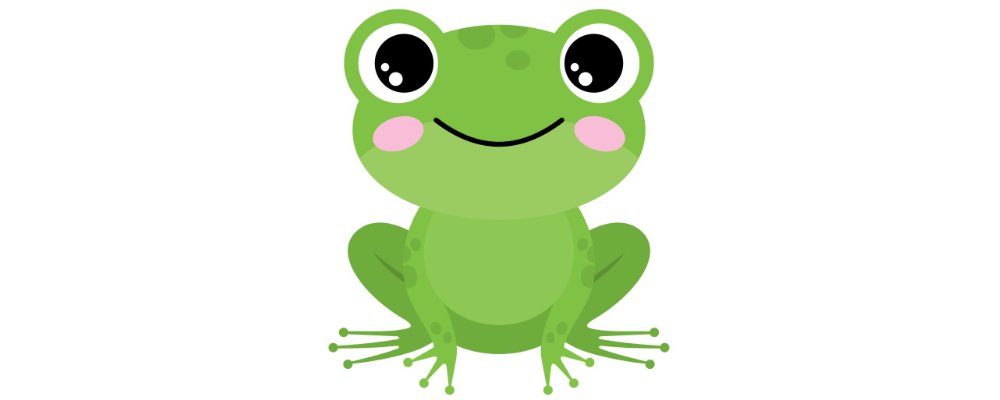
5 Moments for Hand Hygiene
This visual from the World Health Organization is a good reminder of all the important times to follow proper hand hygiene. A copy to download is available at the bottom of this article.
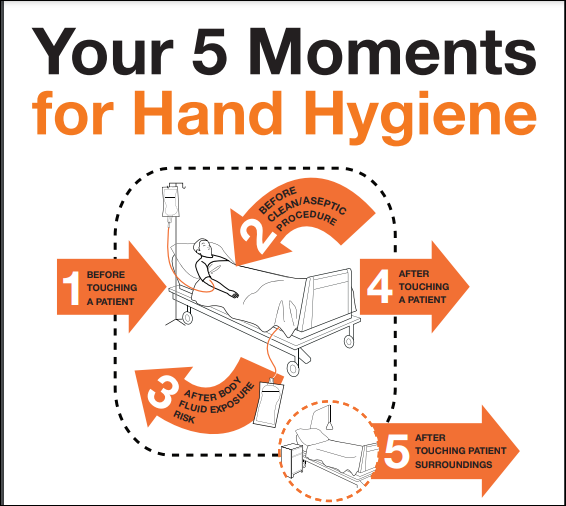
- Before touching a patient:
When? Clean your hands before touching a patient when approaching him/her.
Why? To protect the patient against harmful germs carried on your hands.
- Before clean/aseptic procedure:
When? Clean your hands immediately before performing a clean/aseptic procedure.
Why? To protect the patient against harmful germs, including the patient’s own, from entering his/her body.
- After body fluid exposure risk:
When? Clean your hands immediately after an exposure risk to body fluids (and after glove removal).
Why? To protect yourself and the health-care environment from harmful patient germs.
- After touching a patient:
When? Clean your hands after touching a patient and his/her immediate surroundings, when leaving the patient’s side.
Why? To protect yourself and the health-care environment from harmful patient germs.
- After touching patient surroundings:
When? Clean your hands after touching any object or furniture in the patient’s immediate surroundings when leaving – even if the patient has not been touched.
Why? To protect yourself and the health-care environment from harmful patient germs.
Questions?
If you have questions about hand hygiene or want to get involved in the hand hygiene committee, contact Angela Slough, Infection Prevention, at amslough@carilionclinic.org.
For questions about ambulatory hand hygiene monitoring program, contact Bray Studtmann at bknemetzgardner@carilionclinic.org.

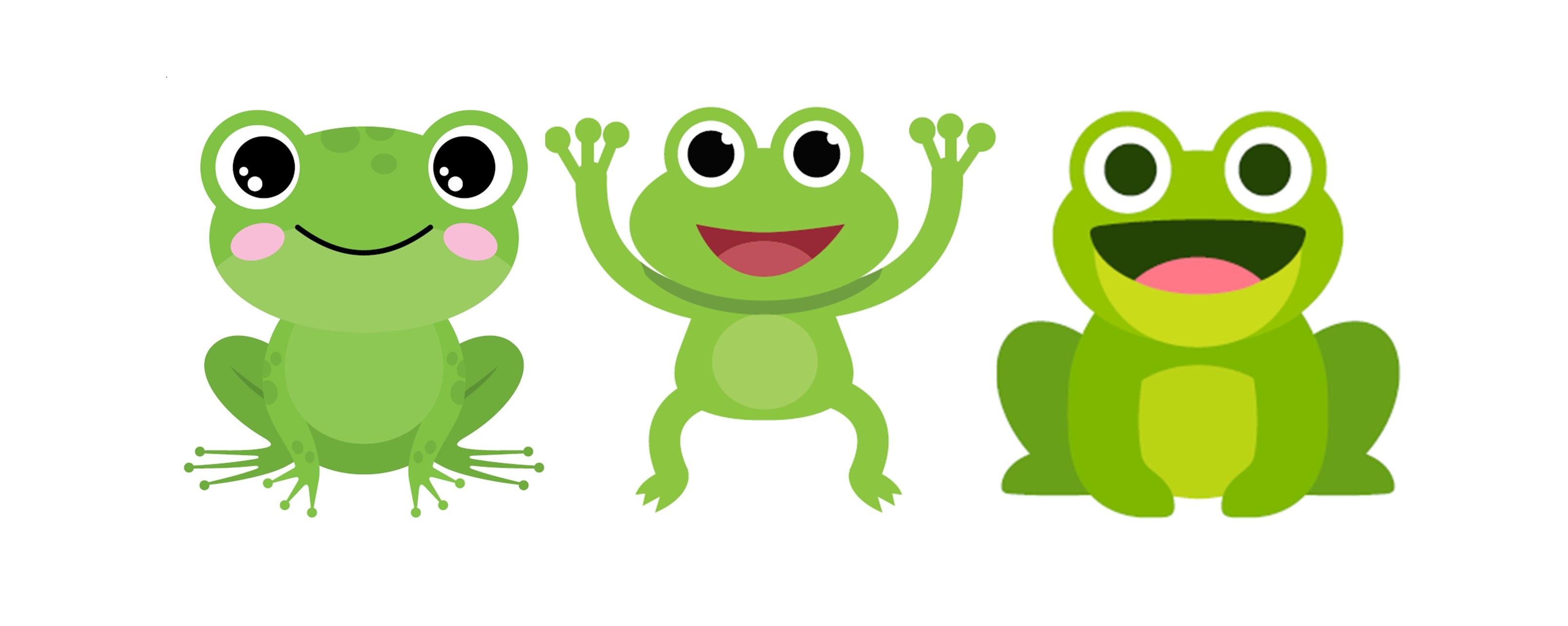
Thank you for helping us pick the new hand hygiene frog!
We tallied up the votes and Frog #1 has been selected as the new mascot to help us remember proper hand hygiene.
FROG (Friction Rubs Out Germs) reminds us that proper hand hygiene involves rubbing hands together to create friction.