The Heart of Nursing: Michelle Franklin on Where We’ve Been and Where We’re Going
Nursing is changing quickly. The work is increasingly complex, new technologies are reshaping how care is delivered, and nurses continue to navigate the emotional and physical demands of caring for patients and families.
We talked with Chief Nursing Officer Michelle Franklin about the state of nursing today and where the profession is headed tomorrow. Drawing on nearly four decades with Carilion, she reflected on the experiences that shaped her career and the nurses who continue to shape the future of care. From nursing excellence and mentorship to workforce challenges and emerging technology, her message is clear: the future of nursing should be shaped with nurses, not simply around them.
Tell us about your role as Chief Nursing Officer.
Every day really is different. Some days I’m focused on the bigger-picture strategy for nursing, and other days I’m connecting with our front-line teams and hearing directly from them about what’s working and where they need support. A big part of my role is bringing those perspectives together with our nursing leaders and making sure our nurses have what they need to do their best work.
Healthcare is changing quickly, and I don’t want our nurses to simply keep up with that change. I want them to feel supported, empowered, and able to help shape what comes next. Because when we take care of our nurses, they’re able to provide the best care for our patients.
Your career has been with Carilion for decades. How did that journey begin?
I never expected to become a nurse. I wanted to teach anatomy and physiology, but when my grandmother suffered a significant heart attack, my grandfather asked me to come home and help care for her. My grandparents had raised me, so after finals I packed my bags, drove my 1972 Volkswagen back to Virginia from Tennessee, and became her caregiver.
That experience revealed a passion for caring for people, and my grandfather encouraged me to pursue nursing at the community college. Nursing also let me keep my love of education. Carilion has since given me opportunities in the nursery, emergency department, labor and delivery, education, ambulatory care, and leadership. There are so many paths within nursing. My own career has shown me that where you begin doesn’t have to determine where you end up.
Carilion has received national recognition for nursing excellence. What do those recognitions represent?
Magnet, Pathway to Excellence, Beacon, and other recognitions reflect the culture our nurses have built together. They recognize strong outcomes, teamwork, shared decision-making, and continuous improvement.
They’re important milestones, but they aren’t the destination. I often say we’re not great because of Magnet; we’re Magnet because we have great nurses. These recognitions reflect what our nurses demonstrate every day through the care they provide, the improvements they lead, and the way they support one another.
You often talk about empowering nurses. Why is that so important?
Nurses spend more time with patients than anyone else. They hear concerns, recognize changes, and help families navigate difficult moments. They must feel empowered to advocate for patients, share their expertise, and speak up when something isn’t right.
Sometimes patients feel they’ve lost their voice, and nurses can stand in that gap. I recently heard from a patient who described one of the most devastating experiences of her life. She said the nurses who cared for her family became her hospital family. She remembered them by first name, and they even knew about one another’s pets. That connection goes beyond clinical care. It’s the human connection in nursing that we can never lose.
How can we better support nurses through the challenges of the profession?
The first step is listening and understanding what nurses need. Nursing can be incredibly rewarding, but it can also be demanding. Sometimes the right support is education or mentoring. Sometimes it’s having the resources to do your job well. And sometimes it’s simply knowing someone is listening.
I want every nurse to know that asking questions is a strength, not a weakness. We all have something to teach and something to learn. Experienced nurses bring tremendous knowledge and perspective, while newer nurses bring their own experiences, ideas, and comfort with emerging technologies. When we learn from one another across roles and career stages, everyone benefits. Mentorship has mattered throughout my career. I’ve had mentors who challenged me, guided me, and lifted me up on hard days. I want our nurses to have those same relationships and to feel comfortable asking for help, sharing what they know, and learning from one another.
Technology is changing healthcare rapidly. What opportunities do you see?
Technology should make caring for patients easier, not more complicated. Virtual nursing, artificial intelligence (AI)-guided tools, and improved documentation systems can help reduce administrative burden and give nurses more time with patients.
For example, AI-supported documentation can help capture a patient-nurse conversation for the medical record so the nurse can review it rather than starting from scratch. But introducing new technology isn’t just about the technology itself. We need nurses involved early in deciding how these tools fit into care. The people closest to the work understand the workflow best. Their experience and input should help shape how technology is designed and implemented. Innovation should support nurses and strengthen the human connection, not get in its way.
What gives you confidence about the future of nursing?
I see incredible passion in the next generation, and I also see so much knowledge and commitment in the nurses already caring for our communities every day. The future of nursing depends on bringing those strengths together.
Through partnerships with community colleges, mentoring programs, and opportunities like Earn to Learn, we’re helping develop tomorrow’s nursing workforce. Earn to Learn connects nursing students with hospital mentors while they’re still in school, giving them relationships and support as they begin their careers.
My hope is that every nurse—whether they’re just starting out or have been caring for patients for decades—finds mentors, keeps learning, and never loses sight of why they chose this profession. Nursing has hard days. On those days, returning to your purpose, leaning on one another, and remembering the difference you make can help you reset and come back ready to make another positive impact.
There are so many paths in nursing, and so many ways to make a difference. Wherever you are in your career, your experience matters, your voice matters, and you have a role in shaping what nursing becomes next. The sky really is the limit.
Read our Q&A with Chief Nursing Officer Michelle Franklin.
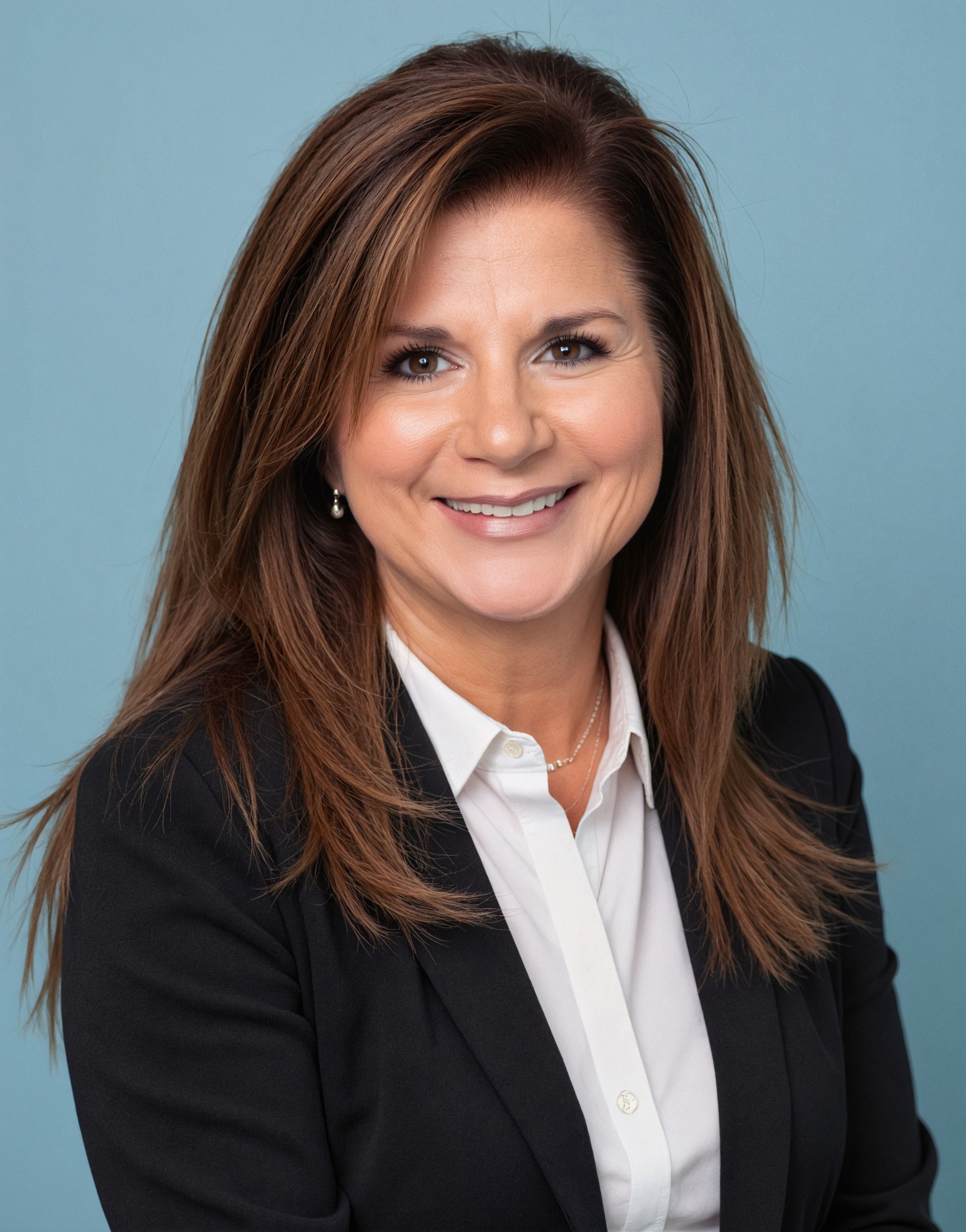
Michelle has spent almost four decades at Carilion as a nurse in many different departments.
