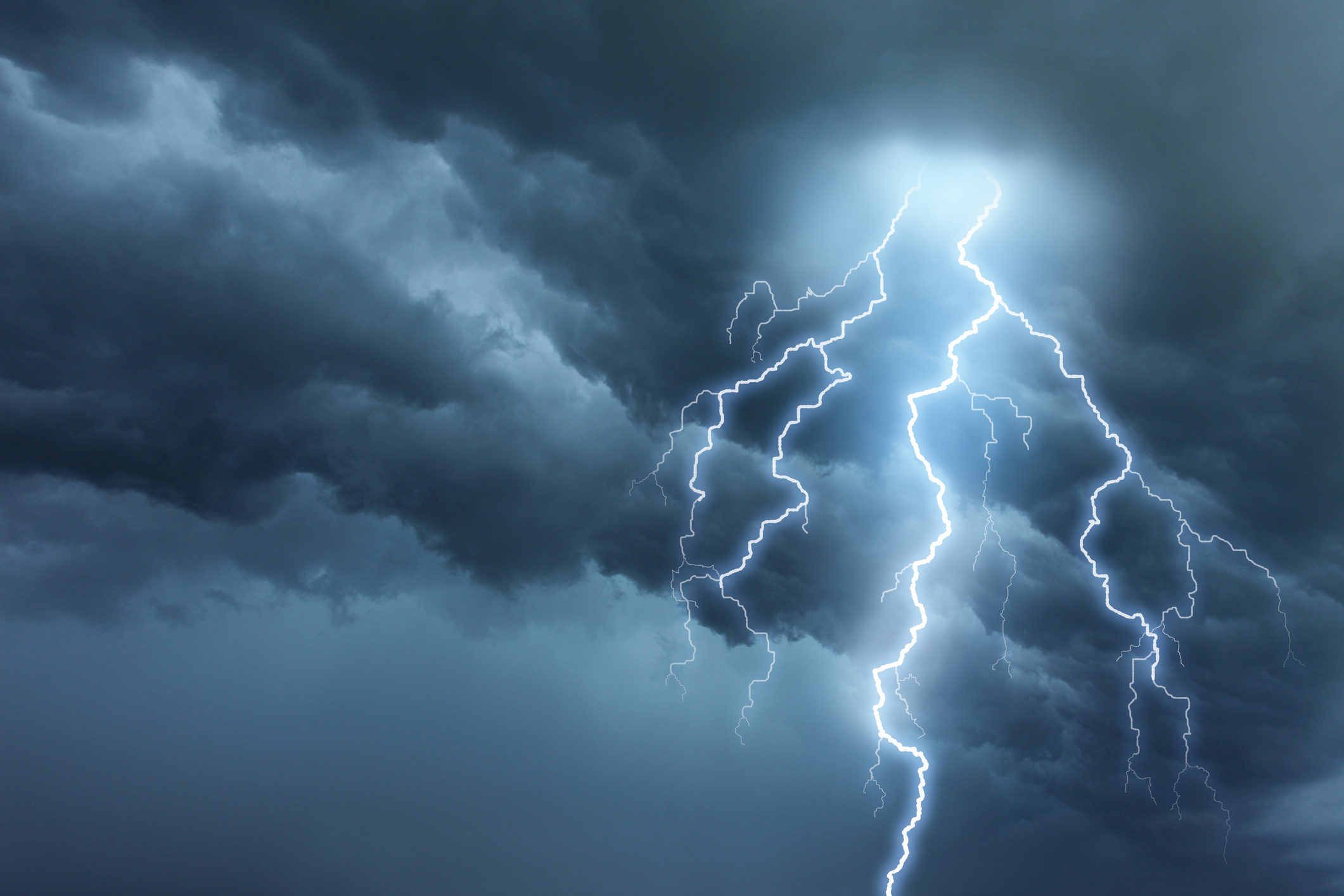
Severe Weather Season Is Here!
The season for severe weather in our area is approaching.
Make sure you're prepared for any type of inclement weather that could head our way. Sign up for Carilion Emergency Alerts via Everbridge, and check out Carilion Emergency Management and Safety resources, including their full Severe Weather Planning Guide and Key Points.
You and your family are also encouraged to create location-based plans for severe weather events. The first step is to know the common categories of Virginia severe weather:
Weather Watches and Weather Warnings
- An official weather watch refers to an increased probability of severe weather developing and encourages preparation for the potential severe weather event.
- An official weather warning refers to severe weather that has already developed or is nearly guaranteed to develop. It requires action to protect yourself and those around you.
Tornadoes
- Tornadoes are often caused by severe storm weather colliding with a cold front. Tornado frequency is increasing in Virginia, and they appear with little to no warning.
- The safest place to be during a tornado is inside, in an interior room with no windows. Basements or bottom floors are best.
- There is an annual statewide tornado drill to help Virginia residents prepare for tornadoes. It is broadcast on the weather alerts services.
Severe Thunderstorms
- This category includes hail and severe wind speeds.
- Spring and summer create warm, humid zones for thunderstorms to develop. Large amounts of rain can fall during a short period, combined with strong winds and potential lightning.
- Avoid windows and stay away from conductors like water, electrical wiring and plumbing during thunderstorms.
Flash Flooding
- During winter, the ground freezes and the water table collects less moisture, so when severe storms occur, the water becomes runoff instead of being absorbed by the ground.
- When water collects in such large amounts, other damage caused by the storm (such as downed electricity poles or trees) create additional hazards.
- Avoid driving in moving water and stay away from bodies of water such as rivers and streams. Water that appears to be shallow or calm can still carry away people or vehicles.
Lightning
- Everyone knows that lightning occurs alongside thunderstorms, but it can also occur on its own.
- Try to stay inside during storms or heavy cloud cover, even if it is not raining.
- If you must go outside, avoid water and tall trees, as well as metal structures, which can act as electrical conductors.
If you or your unit would like information or assistance with creating a severe weather response plan, contact Emergency Management & Safety at emergency_management_and_life_safety@carilionclinic.org.
Publish date / time
News Type
Users that Liked
7527
19755
5104
32311
3535
21749
29528
20115
Views
0
Thumbnail Image
Unlisted
On
Banner Image