Severe Weather Preparedness Tips
As we approach the time of year when weather may impact our region, it's crucial to prepare for severe weather events. The Emergency Management and Safety department has outlined key tips and recommendations to help ensure we stay safe during such situations. Our department coordinates with the Virginia Department of Emergency Management, the Virginia Department of Health and the Blacksburg National Weather Service office to develop severe weather plans that help us monitor weather conditions, alert decision-makers and outline when we should activate emergency plans.
Staying safe during severe weather while we’re at work occurs through unit- and location-based planning. Emergency Management and Safety provides a Severe Weather Planning Guide and key points to consider. The first step to preparing is knowing what qualifies as severe weather in the Commonwealth of Virginia.
Weather Watches and Weather Warnings
Understanding the difference between a weather watch and a weather warning is the first step in staying safe.
-
An official weather watch indicates an increased probability of severe weather developing and encourages preparation for the potential extreme weather event.
-
An official weather warning refers to severe weather that has already developed or is nearly guaranteed to develop. It requires action to protect yourself and those around you.
Tornadoes
Tornadoes often happen when severe storms collide with a cold front. Virginia sees increasingly more tornadoes with little or no warning, so being prepared is key.
-
The safest place to be during a tornado is indoors, especially in an interior room without windows on bottom floors or basements.
-
It’s important to regularly monitor weather alerts for tornado watches and warnings, and be aware of where you plan to go when severe weather occurs.
-
The Virginia Department of Emergency Management conducts a yearly statewide tornado drill to help prepare us for tornadoes. The drill is announced through weather alert services.
Severe Thunderstorms
Warm temperatures in spring and summer can create the perfect conditions for thunderstorms. These storms can bring strong winds, heavy rainfall, lightning and hail.
- During thunderstorms, avoid windows and stay clear of anything that conducts electricity, including water, electrical wiring and plumbing.
Flash Flooding
After winter’s cold months, underground water sources are less able to absorb moisture, leading to increased runoff during severe storms. This can cause flash flooding, which brings additional risks such as downed power lines and fallen trees.
-
Never drive through pooled or moving water on roadways.
-
Stay away from streams and rivers; water that appears calm can still be dangerous.
Lightning
While most people associate lightning with thunderstorms, it can also occur without rain.
-
During storms or periods of heavy cloud cover, stay indoors, even if it's not actively raining.
-
If you must go outside, avoid tall trees, metal structures and bodies of water, as they can conduct electricity.
If you or your unit want weather awareness information or help to create a severe weather response plan, contact Emergency Management and Safety at Emergency_management_and_Life_Safety@carilionclinic.org
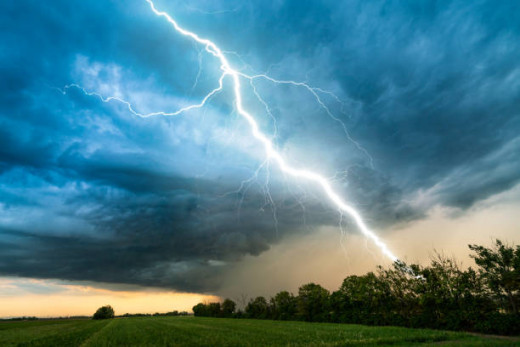
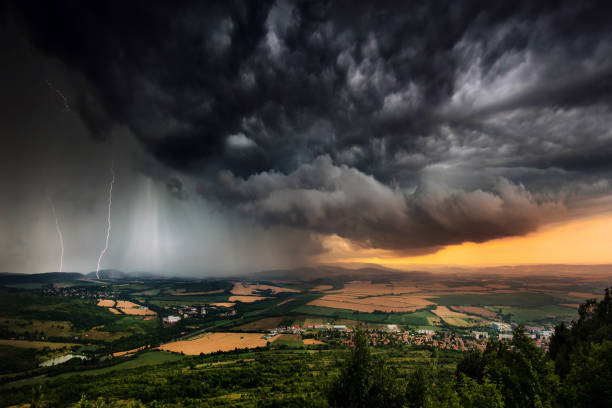
As the seasons change, it's important to be prepared for weather events that may occur.
Our Emergency Management and Safety department works with other agencies to develop severe weather plans that help us monitor weather conditions, alert decision-makers and outline when we should activate emergency plans.
The first step to preparing is knowing what qualifies as severe weather in the Commonwealth of Virginia.
