Part 1: From Segregation to Service for All—The Impact of Roanoke’s Early Orthopaedic Surgeons
The history of Orthopaedic Surgery at Carilion is a testament to determination, progress, and the pursuit of equitable healthcare that began with a small group of visionary surgeons.
In 1940, there were only 23 orthopaedic surgeons in the entire state, and none were west of Roanoke. Into this void, stepped physicians whose names and contributions would become foundational: Roy M. Hoover and Heywood Wescott (1940), Louis P. Ripley (1948), Charles B. Bray (1950), and Phillip Trout (1951).
The Polio Epidemic and Community Outreach
Their early years coincided with the polio epidemic of the late 1940s and early 1950s, which had a significant impact on western Virginia. The Roanoke orthopaedic surgeons played a central role in managing this crisis, providing essential care to children and adults affected by the disease. In 1955, Drs. Ripley, Bray, and Trout formally established the Roanoke Orthopaedic Center as a private surgical practice, anchoring orthopaedic care for the region.
Their commitment to community health extended far beyond the walls of their clinics, and in 1957, these Roanoke physicians helped to create the Virginia Crippled Children’s Bureau, offering orthopaedic care to children with disabilities across Southwest Virginia. The physicians traveled great distances—at their own expense and at significant personal sacrifice—to bring needed treatment to some of the most remote regions of the state.
Desegregating Medical Care
Yet one of the most profound aspects of these physicians’ legacy is their role in desegregating medical care in the Roanoke Valley.
Louis Ripley’s personal story illustrates the character of this generation of surgeons. A Roanoke native who grew up delivering newspapers, Ripley joined an integrated unit in the U.S. Army before returning home to enter medical practice.
He and his colleagues recognized the inequities in local healthcare: Roanoke Hospital (opened in 1900) served only white patients, while Black physicians, including Drs. L.C. Downing, S.F. Williams, J.H. Roberts, and I.D. Burrell, created Medley Hospital in 1914 to provide care for Black residents.
After purchasing and converting a house at 311 Henry Street, these physicians eventually donated the facility to form the newly established Burrell Memorial Hospital, named after Dr. Burrell, who had died tragically.
Dr. Ripley, once Mrs. Burrell’s paperboy, would later cross racial boundaries of the era with his partners and other Roanoke physicians to bring modern orthopaedic care to Black patients in the community.
“While such cooperation may appear natural today,” says Dr. Carmouche. “At the time it represented a courageous and meaningful step toward desegregating healthcare in the Roanoke Valley.”
The physicians’ guiding principle was simple but transformative: to care for all members of their community, regardless of race.
Expansion and Modernization
This commitment to equity, service, and community partnership became a defining feature of orthopaedic practice in Roanoke. Over time, the field continued to evolve. A residency affiliation between Roanoke Memorial Hospital (the Roanoke Orthopaedic Clinic was affiliated with the residency through Roanoke Memorial) and the University of Virginia began in 1957, followed by a formal agreement in 1959 to provide care for Virginia Polytechnic Institute.
Orthopaedic services expanded steadily over the decades, and in 2010 the Roanoke Orthopaedic Center joined Carilion Clinic to help form a multispecialty academic orthopaedic practice. By 2014, the Department of Orthopaedic Surgery was formally created.
Present Day and Legacy
Today, in 2026, the Department of Orthopaedic Surgery includes 50 physicians who provide advanced, comprehensive orthopaedic care across the region. Equally as important, its members continue to uphold the values exemplified by Ripley, Bray, Trout, and their colleagues, bringing not only surgical expertise but also a deep sense of responsibility to the community they serve.
“The legacy of those early surgeons remains central to the department’s mission, reminding us that excellence in medicine is inseparable from compassion, integrity, and the courage to break barriers for the sake of better care,” says Dr. Carmouche. “The Department of Orthopaedic Surgery remains committed to serving all people of the Roanoke Valley with compassion, equity, and excellence, just as our founding surgeons did decades ago.”
For more information about Dr. Louis Ripley’s personal experiences, look for next week's article on Inside Carilion, An Interview with Dr. L. Ripley.
Special thanks to Dr. Jonathan Carmouche, a contributing author to this article.
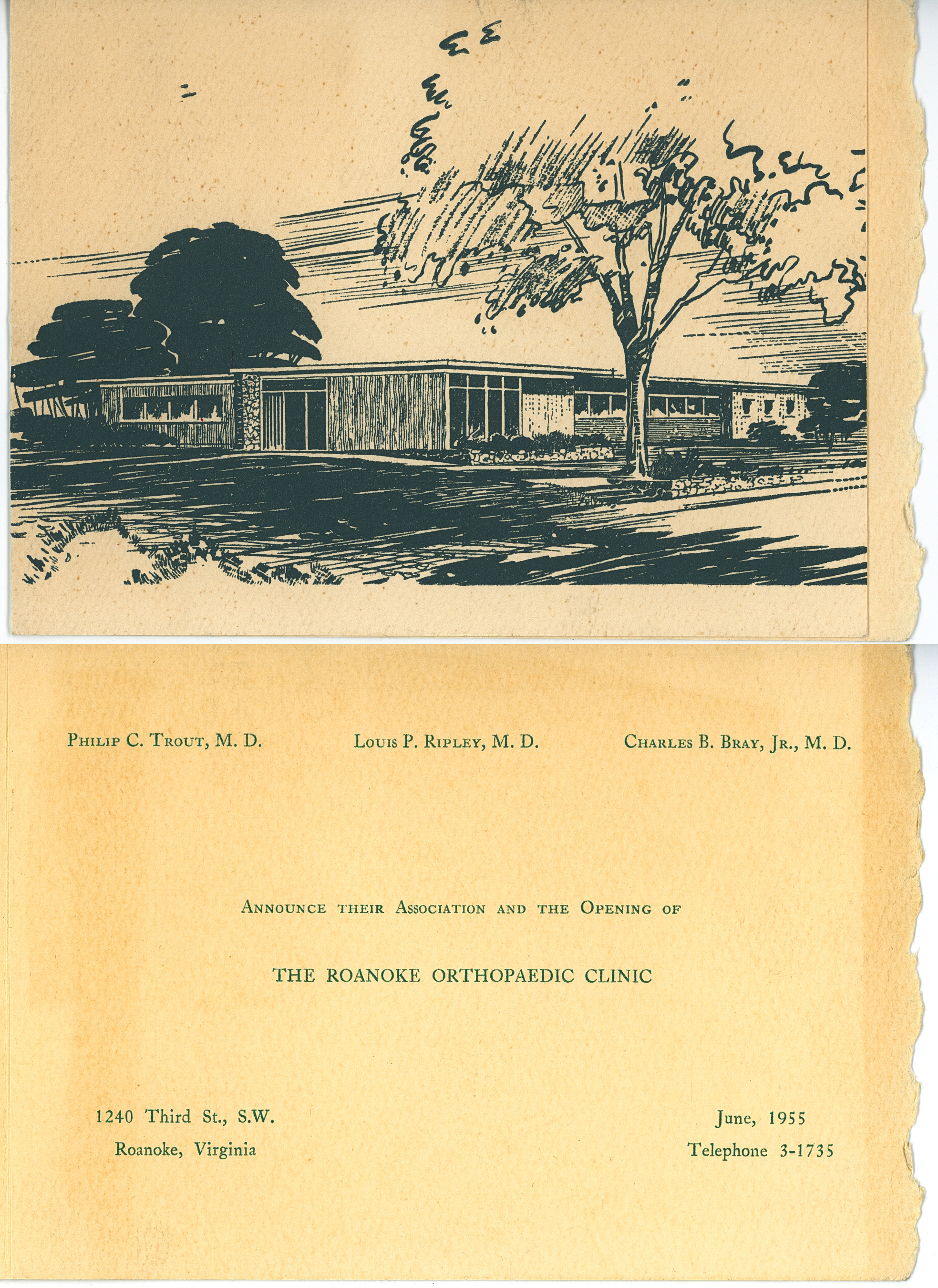
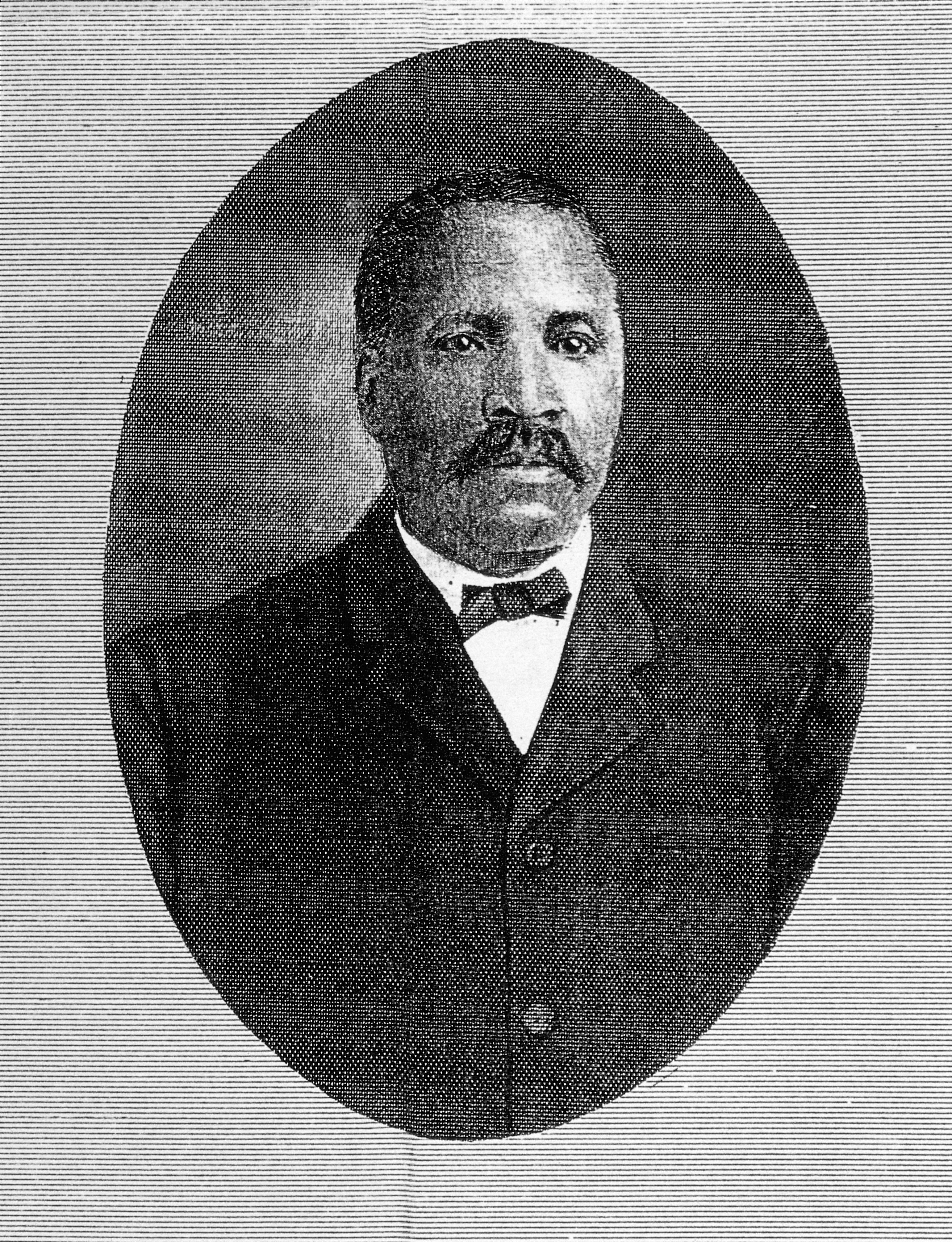
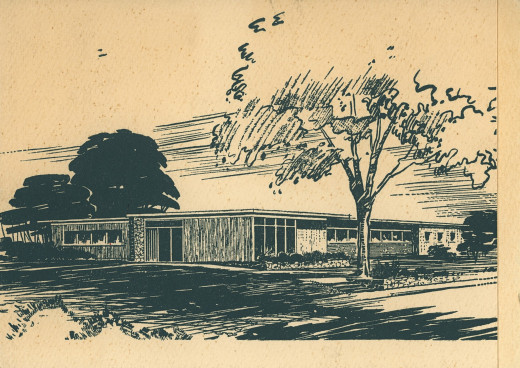
The history of Orthopaedic Surgery at Carilion began with a small group of visionary surgeons.
For more information about Dr. Louis Ripley’s personal experiences and to learn more about our history, check Inside Carilion next week for the article, An Interview with Dr. L. Ripley.
