Flu Season is Here: Stay Safe with these Prevention Tips
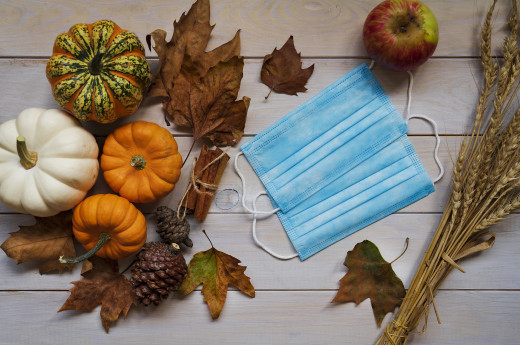
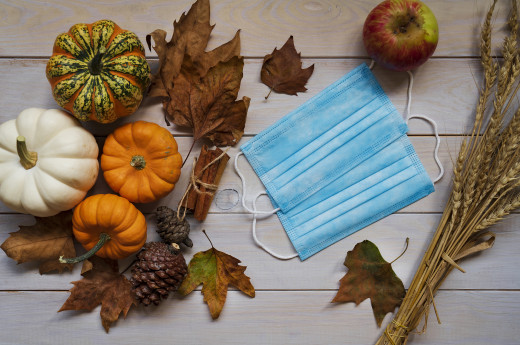
Fall is here, which also means it's flu season. Let's welcome the beauty of fall foliage without the worry of getting sick with the flu!
Here are some facts about the flu and why you should get vaccinated to protect yourself from getting sick.
What Is the Flu?
Flu is a contagious respiratory illness caused by influenza viruses that infects the nose, throat and sometimes the lungs. It can cause mild to severe illness and, at times, can lead to death.
How Is It Spread?
Most experts believe that flu viruses spread mainly by tiny droplets made when people with the flu cough, sneeze or talk. These droplets can land in the mouths or noses of people who are nearby.
Less often, a person might get the flu by touching a surface or object that has flu virus on it and then touching their own mouth, nose or possibly their eyes.
How Long Are You Contagious?
People are most contagious in the first three or four days after their illness begins. The time from when a person is exposed to and infected with the flu virus to when flu symptoms begin is about two days but can range from one to four days.
Some otherwise healthy adults may be able to infect others beginning one day before symptoms develop and up to seven days after becoming sick. Some people, especially young children and people with weakened immune systems, might be able to infect others for an even longer time.
Who Is at the Highest Risk of Complications From the Flu?
While anyone can experience severe illness from the flu, certain groups are at a higher risk. Those include:
- People 65 years or older
- Adults with chronic medical conditions
- Children under age 4
- Pregnant women
What Is the Best Way to Prevent Yourself From Getting the Flu?
The best way to prevent the flu is by getting a flu vaccine each year. The flu shot reduces the severity of symptoms, which can reduce the spread. Anyone age 6 months and older is eligible and should plan to get a flu shot.
It's possible to get the flu after getting a flu shot, but the vaccine can still help to protect you. It takes approximately two weeks after receiving the flu vaccine for immunity to develop. The flu vaccine is adjusted each year to match the strains that are expected to be circulating, but it's not a perfect tool. The vaccine's effectiveness can vary, and it's possible to get sick if you're exposed to a different flu virus than the ones in the vaccine. However, even if the vaccine is only 30% effective, it can still help to prevent hospitalizations and deaths. If you do get the flu after being vaccinated, it's likely to be milder and shorter than if you had not been vaccinated.
What Should You Do if You Get the Flu?
- Limit contact with others as much as possible.
- Cover your nose and mouth with a tissue when you cough or sneeze and immediately dispose of it in a waste receptacle.
- Wash your hands often.
- Clean and disinfect surfaces that may be contaminated.
For more information on the flu, please visit the Influenza hub. As a reminder, the deadline to get your flu shot this year is Nov. 1. More information on flu vaccines can be found in a previous article.
The flu is a contagious respiratory illness caused by influenza viruses that infects the nose, throat and sometimes the lungs.
Most experts believe that flu viruses spread mainly by tiny droplets made when people with the flu cough, sneeze or talk.
The best way to prevent yourself from getting sick from the flu is by getting your annual flu shot.
