Diversity: Honoring Black History Month With Insights from Our Multi-Cultural ERG
If you haven’t taken the Self-Guided Gainsboro History Tour 5K, you may not be aware of the rich history of the Roanoke Valley’s oldest town.
Developed by the Fralin Biomedical Research Institute at VTC and the Virginia Tech Carilion School of Medicine, the tour is built upon the work of Mignon Chubb Hale, Jordan Bell and other Roanoke historians.
The Gainsboro neighborhood was once the hub of a thriving Black community with its own doctors, lawyers, pharmacies, restaurants, hotels and night clubs and a regular stop for mid-century jazz greats including Louis Armstrong, Count Basie, Duke Ellington and Nat “King” Cole.
In honor of Black History Month, members of our Multi-Cultural Employee Resource Group (ERG) took the 10-stop tour.
The Gainsboro History Tour
The Burrell Center of the Blue Ridge Behavioral Healthcare facility on McDowell Avenue. is the first site on the tour. It was once Burrell Memorial Hospital, Roanoke's Black hospital during the segregation era, named for Isaac David Burrell, M.D., a leading Black doctor. Before the hospital opened in 1915, Burrell himself was forced to travel in the baggage car of a train to Freedman's Hospital at Howard University in Washington, D.C. to be treated for severe gallstones. He later died there.
Other sites include:
- Lucy Addison High School Monument Wall: Roanoke’s segregation-era Black high school. Former students include many Black men and women who broke barriers and changed worlds, such as alumni Edward R. Dudley, Jr., the nation’s first Black ambassador.
- Harrison School Apartments: Originally Harrison School, it enabled Black children to stay in the Roanoke Valley for their education through middle and high school. Before it became an accredited high school, Roanoke Black youth had to sometimes move to Petersburg, 170 miles away, to complete any education past the seventh grade.
- The Oliver Hill and Edward Dudley homeplaces: These two barrier-breaking racial pioneers on the national stage grew up next to each other on this block.
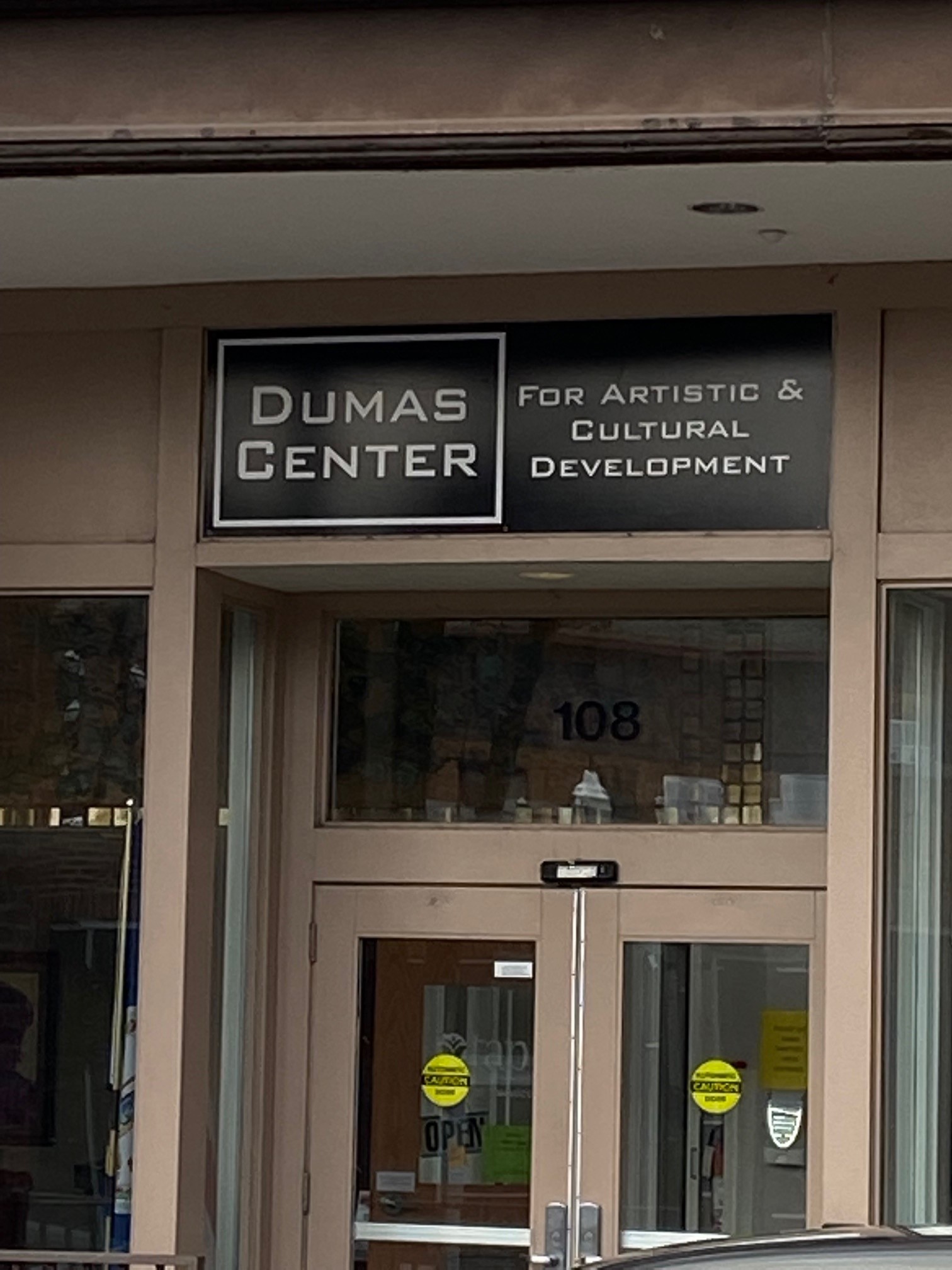
- Dumas Center for Artistic and Cultural Development: The Hotel Dumas was a safe, first-class place where traveling African Americans could stay; it was listed in the "Green Book," which inspired the Oscar-award winning 2018 film "Green Book."
You can take the self-guided tour virtually or in person and learn more about each of these historic sites, plus more.
Thoughts on the Tour From Our Multi-Cultural Employee Resource Group (ERG)
We have five ERGs—collections of employees brought together to share their passion for diversity and inclusion and help the organization achieve its goals. Each has a different focus area and mission. The mission of our Multi-Cultural ERG is to create a working environment that welcomes, uplifts, embraces and values all of our employees, which allows us to provide the best care for the communities we serve.
Members of the group went on the Gainsboro History Tour, and we posed some questions about their experience and why they're involved in the ERG. Below are some of their insights.
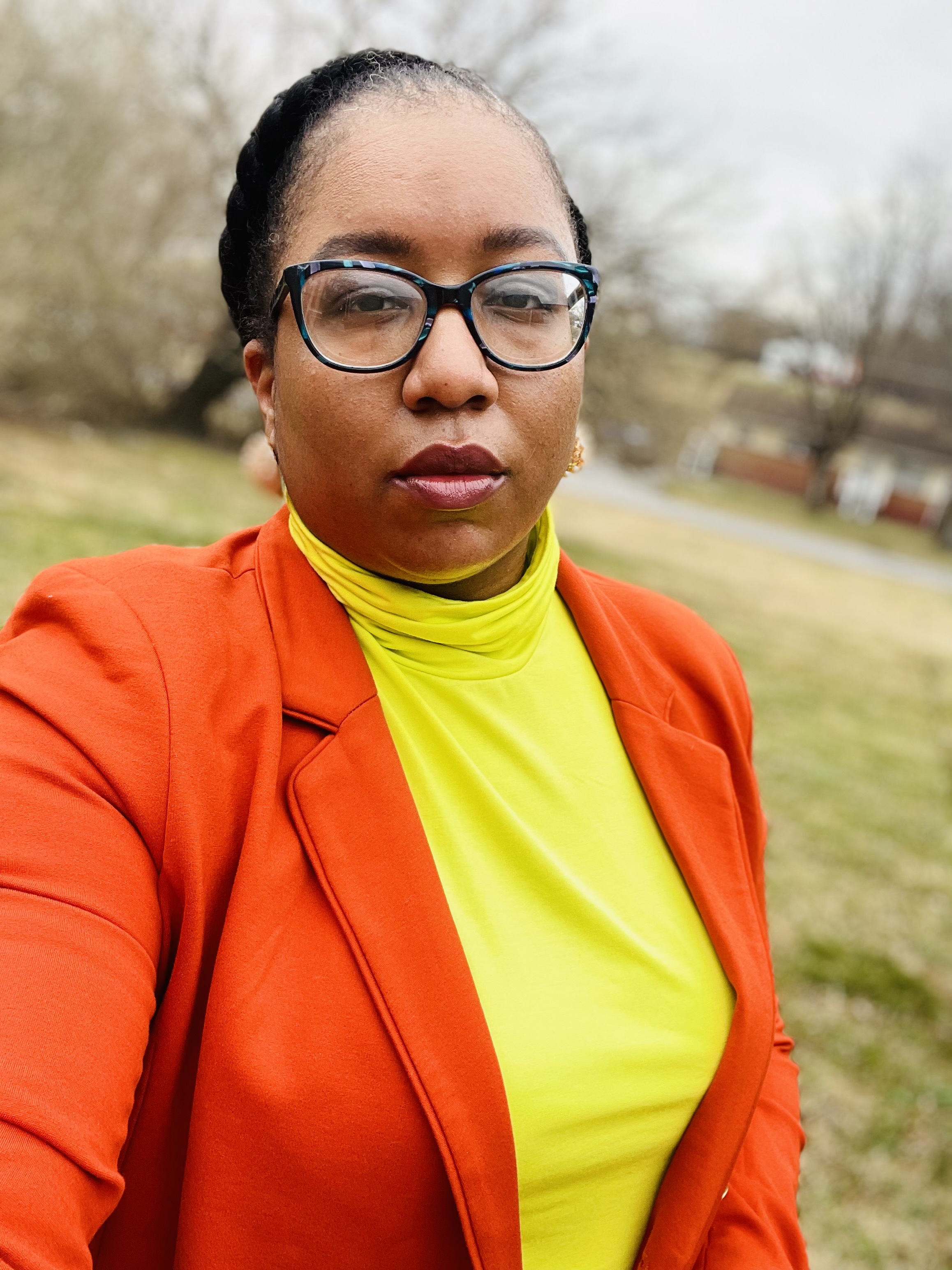
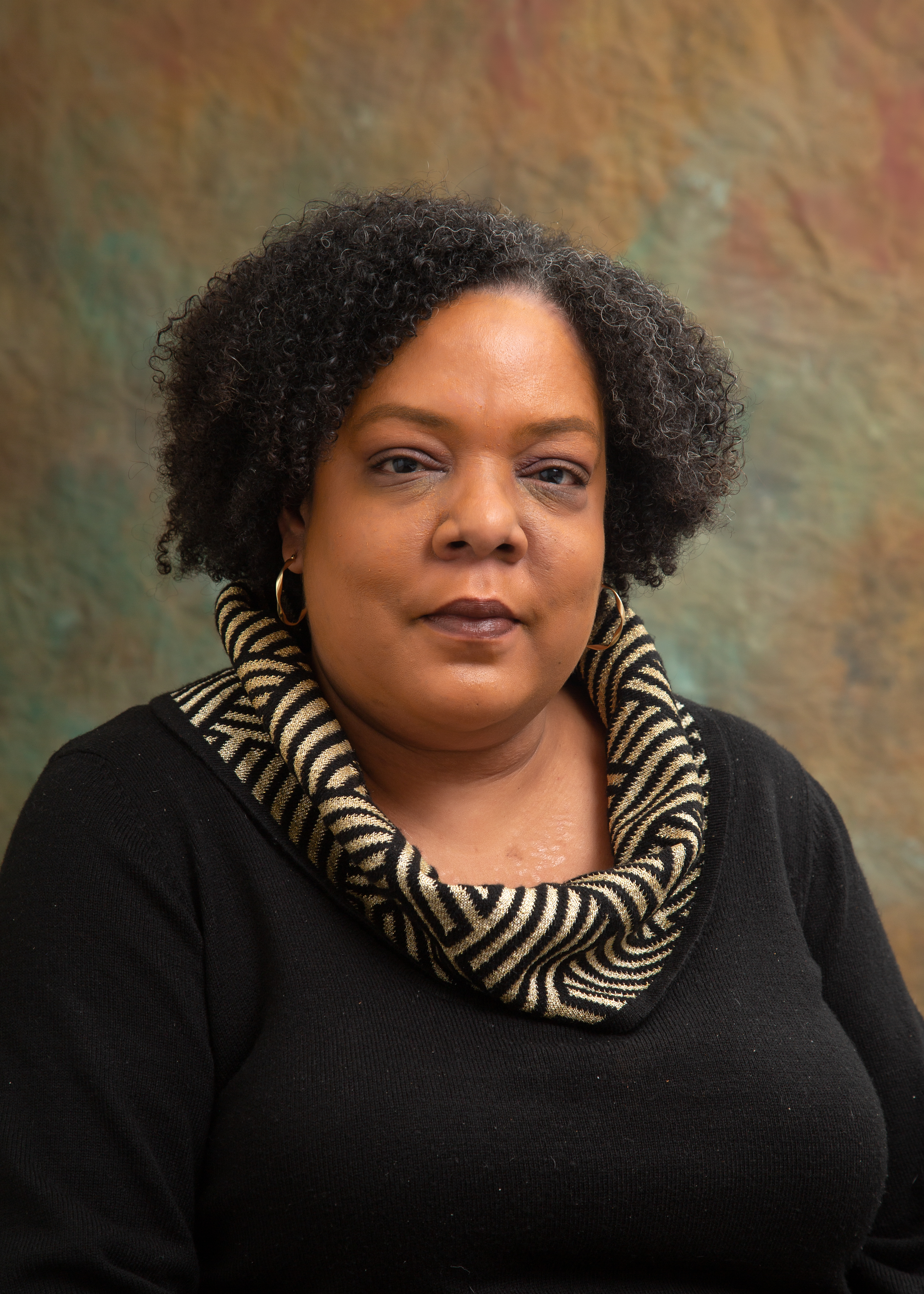
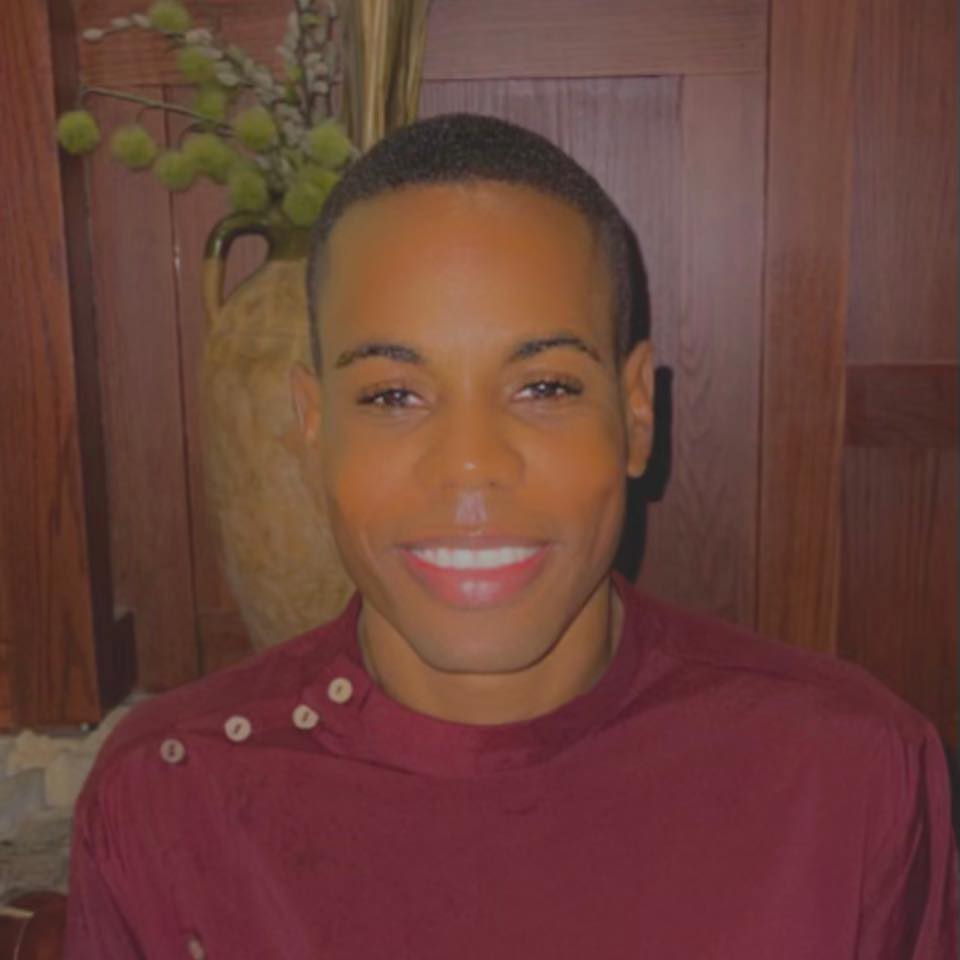

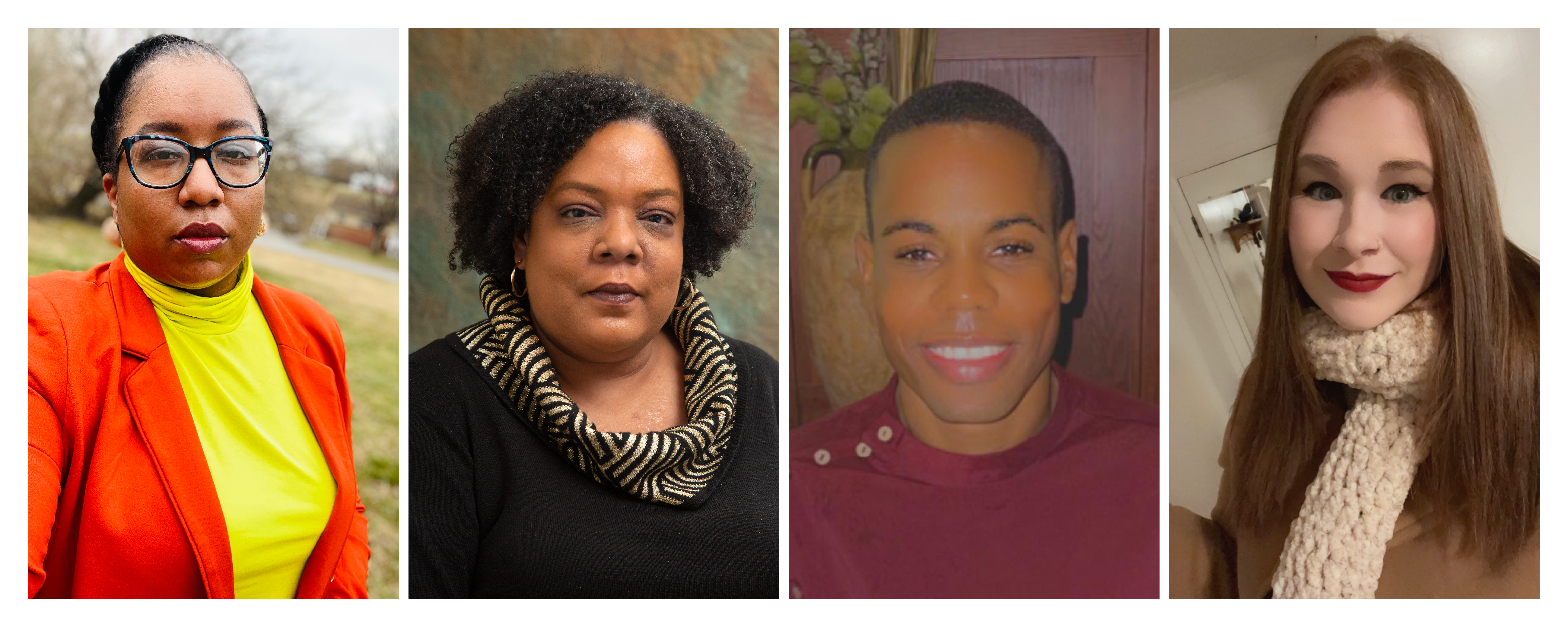
Members of our Multi-Cultural ERG, L-R: Shiquita Scott, clinical social worker, superviser in Social Work; Eva Lipscomb, recruiter, Human Resources, Talent and Acquisition; Lerner Edison, R.N., critical care registered nurse, Cardiovascular Institute; Rebecca Barron, rehabilitation team lead, Speech-Language Pathology
Q: The Self-Guided Gainsboro History Tour shows how African Americans have impacted history and culture. What site and historic information on the tour stands out to you and why?
"The historical site that stands out to me is Henry Street. It amazes me that although Blacks were a segregated population at the time, they had gifts, talents, education and such a strong bond to provide necessities to people of their race. I am not a native of Roanoke, but have talked with those who are—the memories they share are very heart-warming. Blacks during this time provided unity with each other and memories that will be passed along forever." — Eva Lipscomb
"I was personally moved by the Oliver White Hill and Edward Dudley homeplaces and was completely unaware that two radical racial pioneers grew up in this neighborhood. Reading about their accomplishments was eye-opening. Younger generations so often think of segregation as something that occurred long before we were born, when in truth, it is in our recent history. These were two very impressive men who fought for the rights of African Americans, influenced the laws of our nation and grew up just around the corner." — Rebecca Barron
Q: What do the contributions of Dr. Isaac Burrell teach us about health equity?
"His contributions teach us that Black people were at a disadvantage of not having access to necessary medical care and as a result, health outcomes were worse than their white counterparts during the segregation era. His work also shed light on the importance of having Black professionals in the medical field, so they could have the ability to care for and treat Black patients. Dr. Burrell had to travel over four hours by train to get medical care by Black physicians; this shows the scarcity of medical care for Black people." — Shiquita Scott
"The contributions of Dr. Isaac Burrell teach a goal to provide health equity to Blacks in the Roanoke community, and although he had to travel miles and miles away from Roanoke for health care because of his race, others continued with his mission to provide health care services following his death. It is an example of how our skin may be different but health care needs are still the same." — Eva Lipscomb
Q: What inspired you to become a part of the Multi-Cultural ERG?
"I desire to bring a positive focus through education on diversity, equity and inclusion (DEI) to inspire others." — Lerner Edison
"I led a Be the Bridge book study at my church and when that concluded, I began looking for other ways that I could grow as an ally to persons of color. I reached out to my manager, and he suggested I look into the ERG." — Rebecca Barron
Q: What do you hope to accomplish as a member of the ERG?
"I hope to bring awareness about the importance of having culturally competent staff and how that can increase quality-of-service delivery for the communities we serve. I am a new member of the group (around six months), but I am excited to see what we can achieve." — Shiquita Scott
"I have two main goals as a member of the multi-cultural ERG. One is to support and work for other cultures and races whose voices have been quieted by racism. I want to help elevate those who are ready to lead and educate our Carilion community. Additionally, I want to further my education. I want to grow in my understanding of racial and cultural bias. I want to learn how to be a better member of our society and a better human, so ultimately, I can provide the best care for our patients." — Rebecca Barron
This article has details about our ERGs. For more information and an ERG application, go to the Diversity & Inclusion hub. If you have questions about DE&I efforts at Carilion or how you can get involved, contact the Office of Diversity, Equity and Inclusion:
- Dr. NL Bishop: nlbishop@carilionclinic.org
- Briana Apgar: blapgar@carilionclinic.org
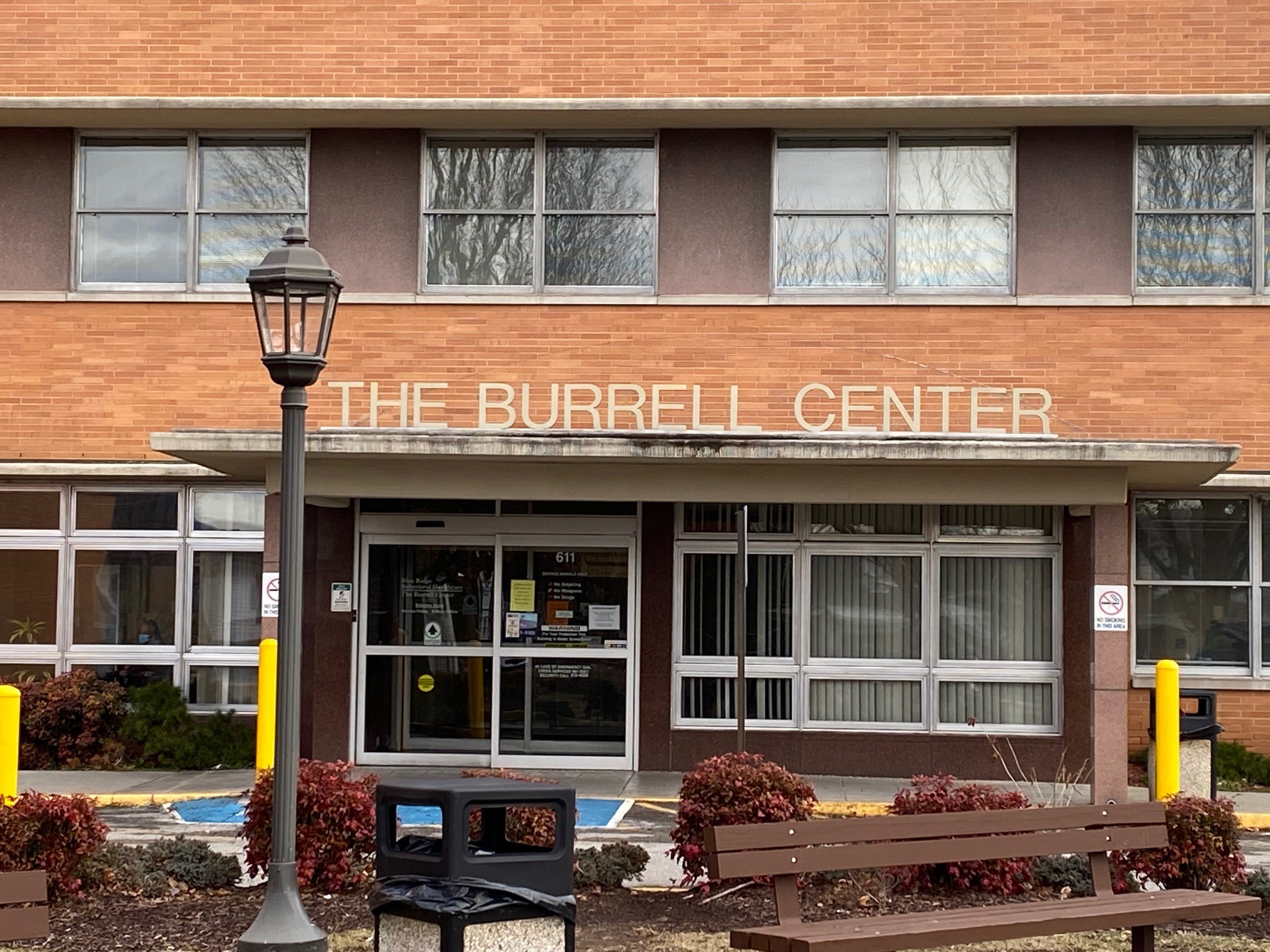
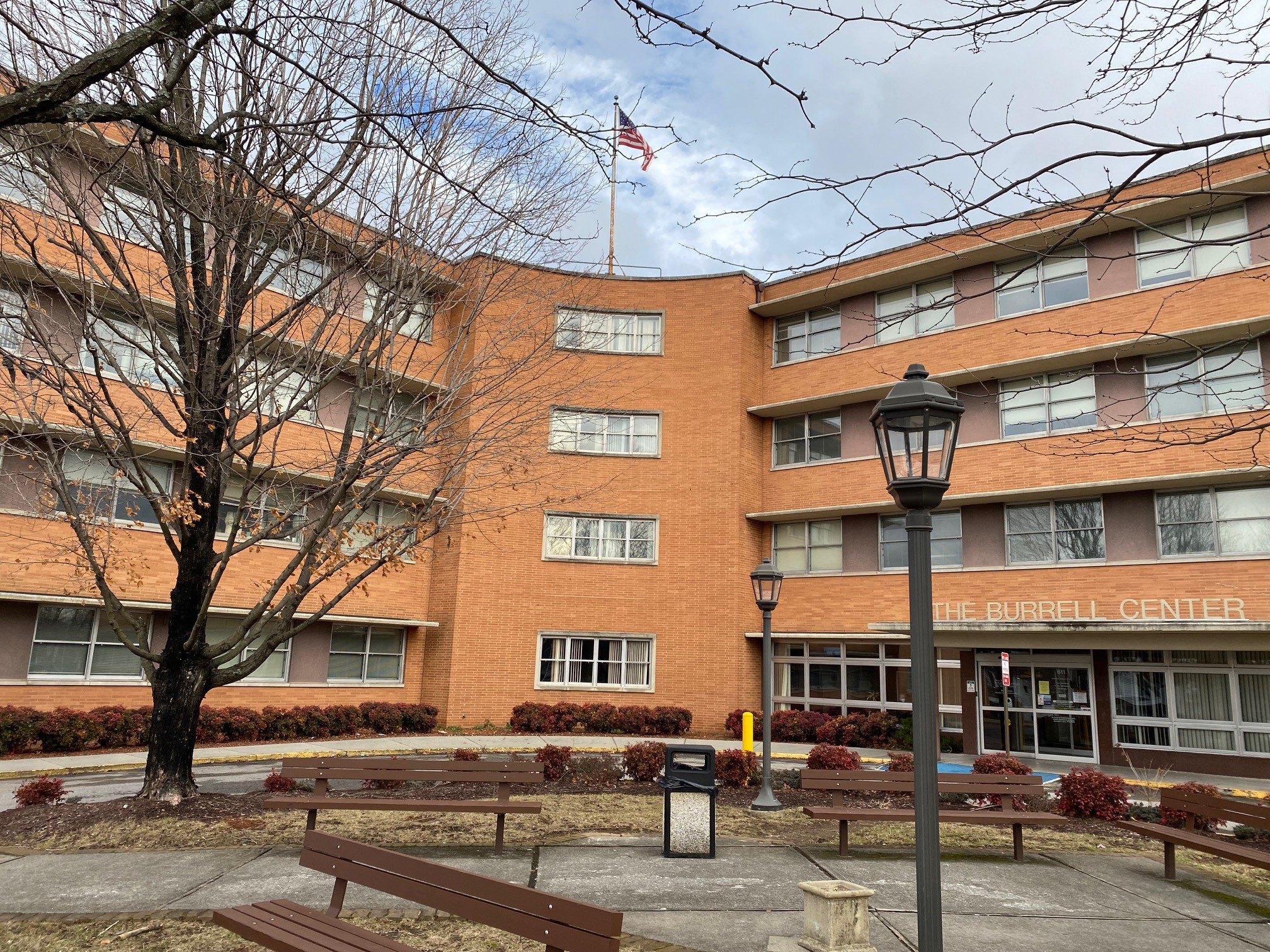
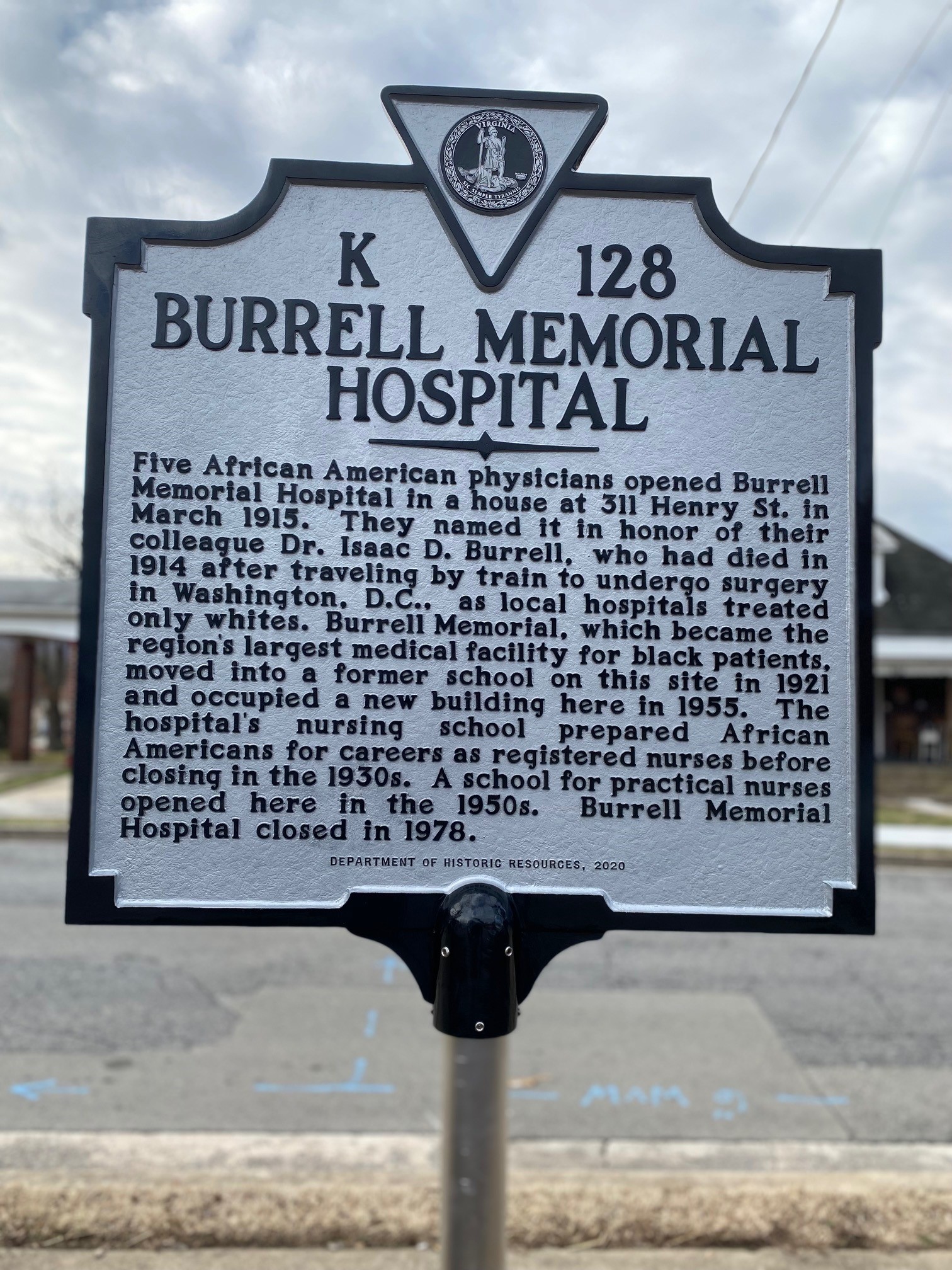
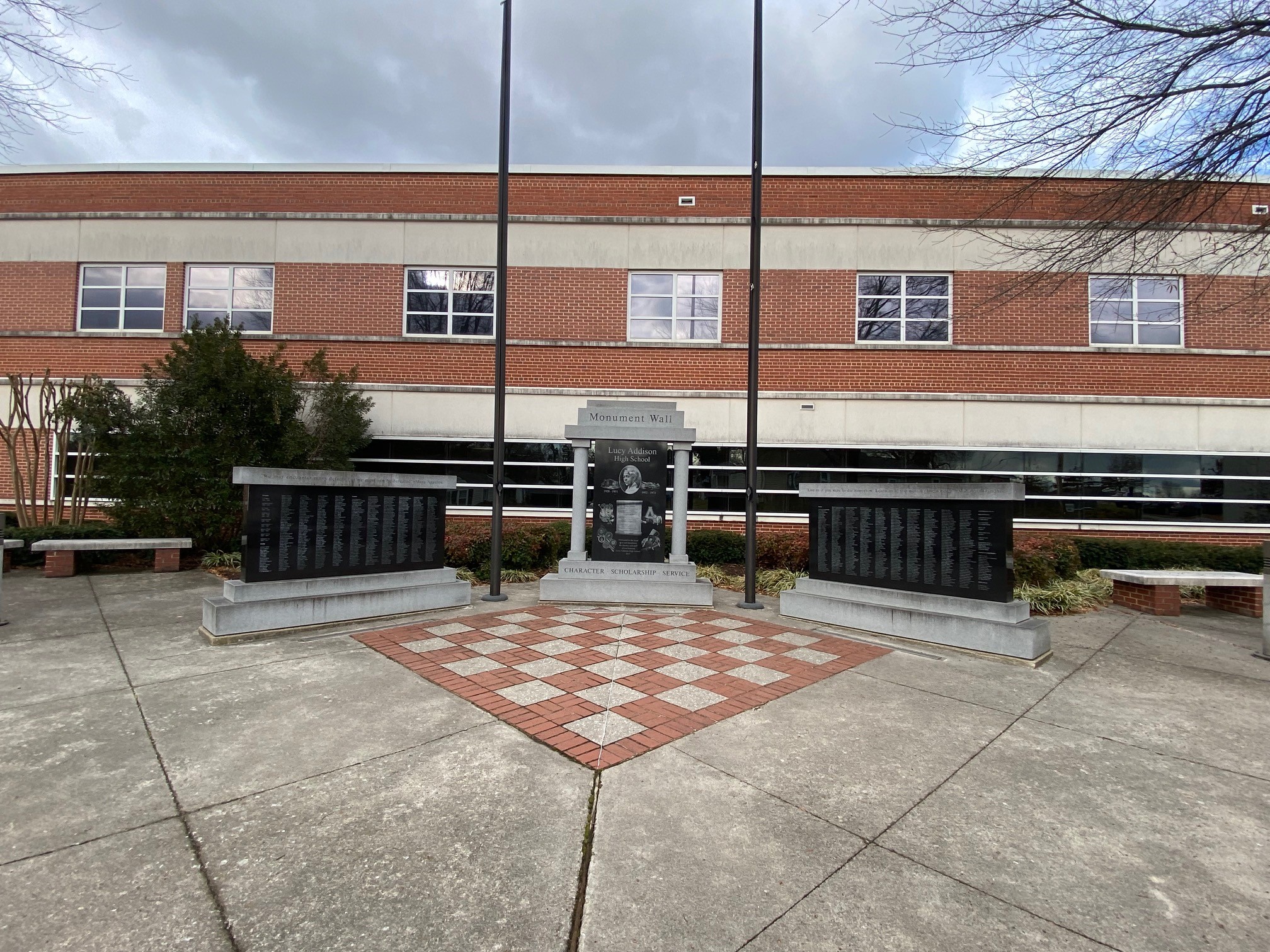
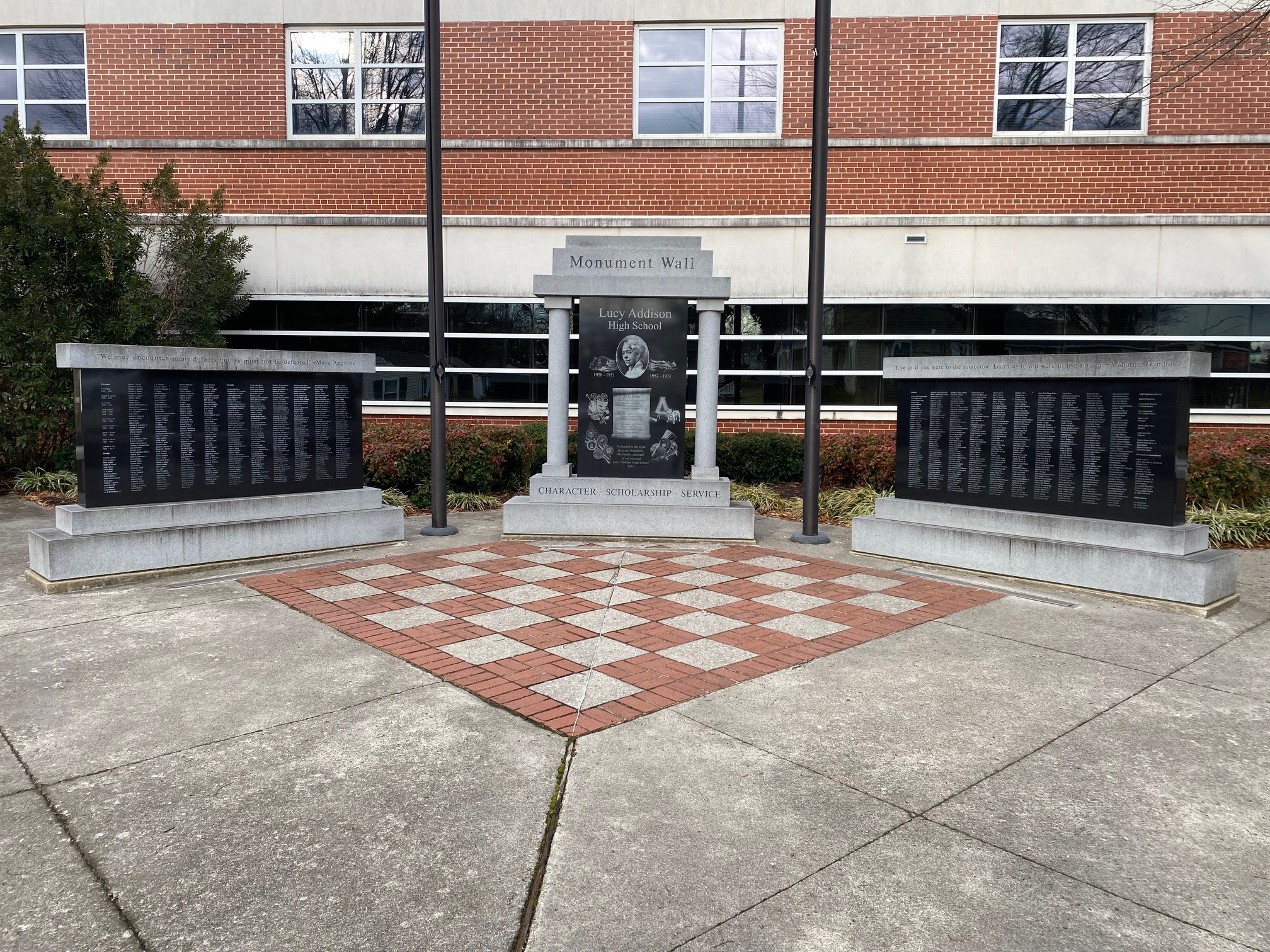
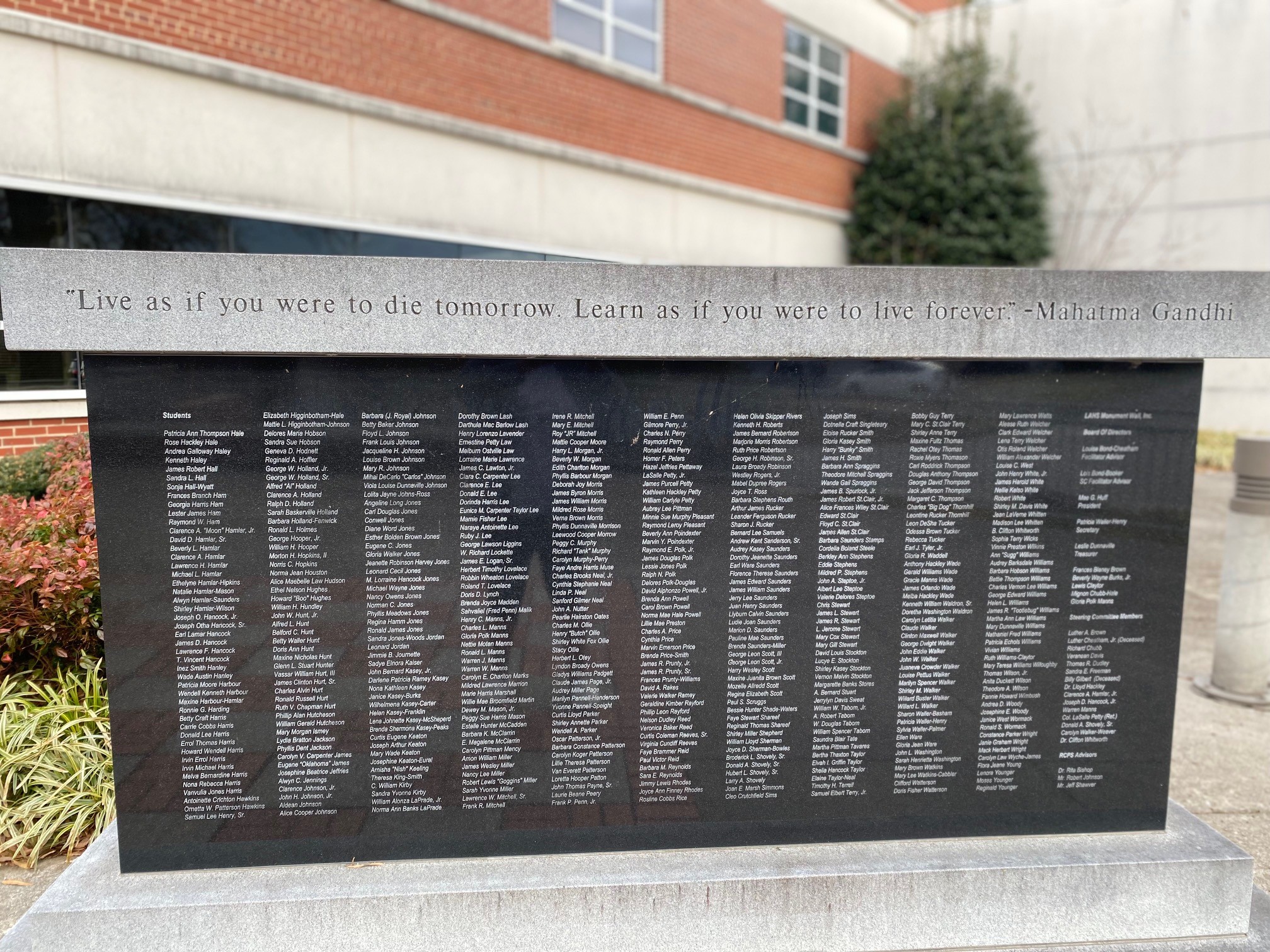
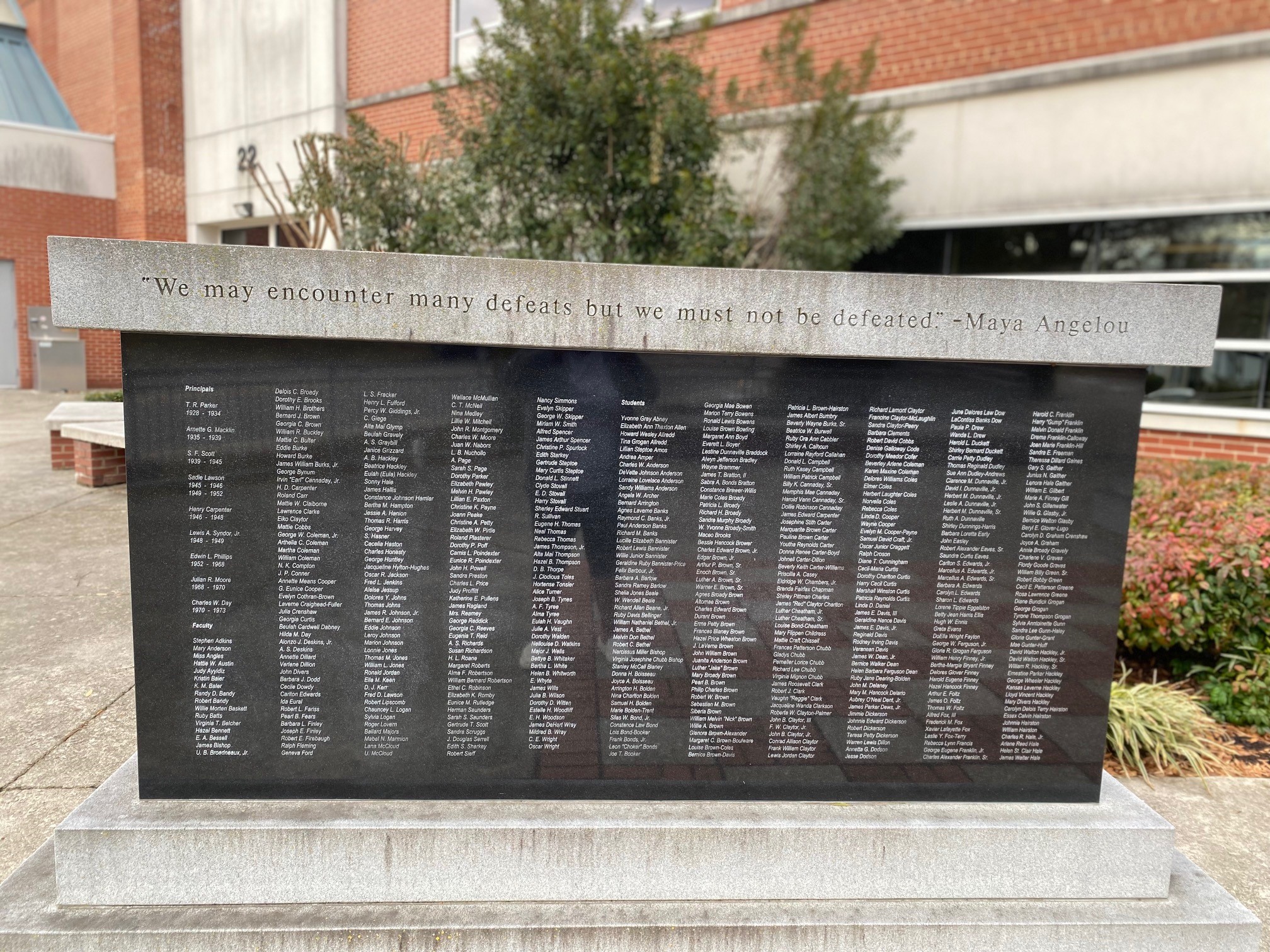
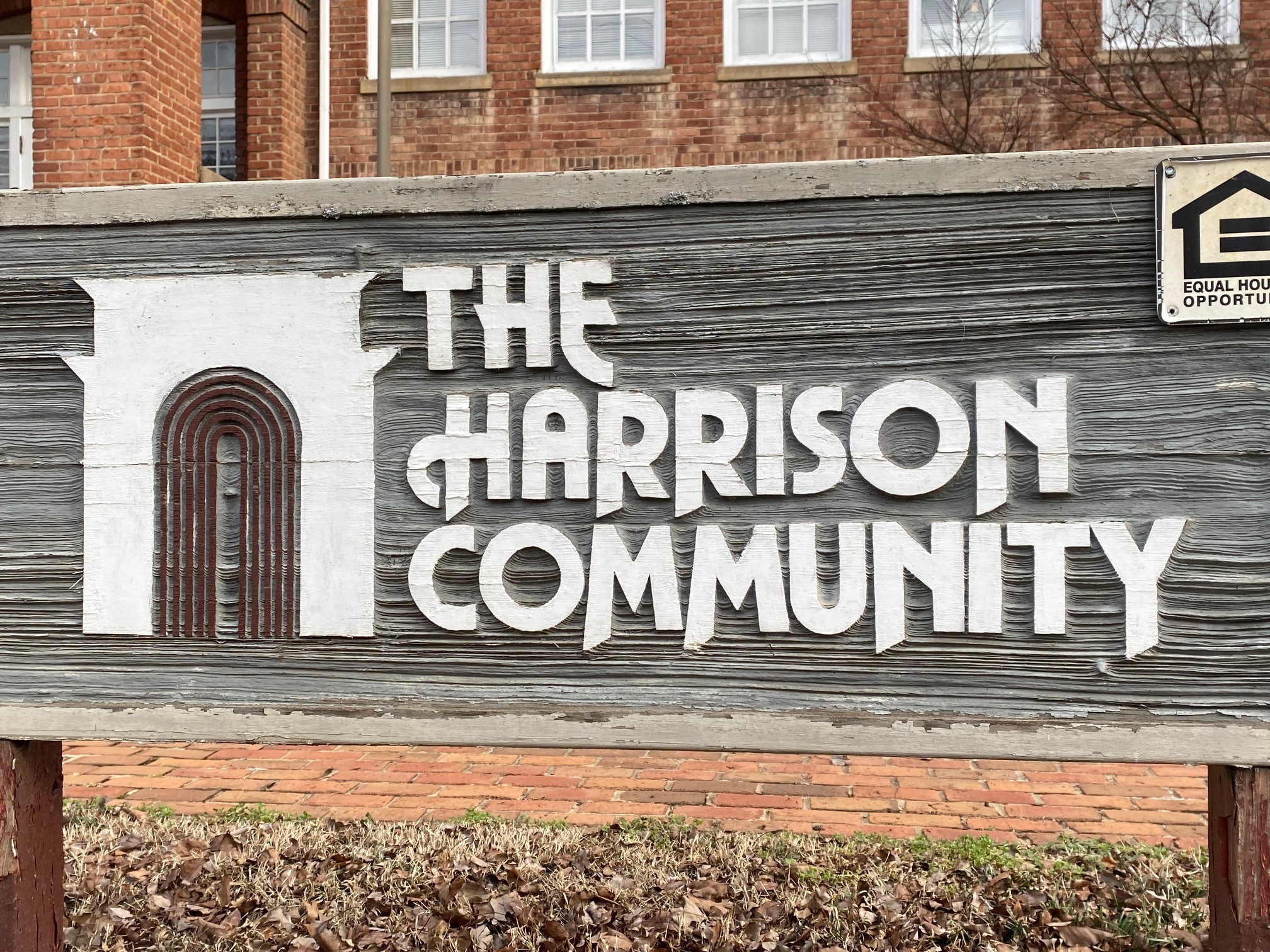
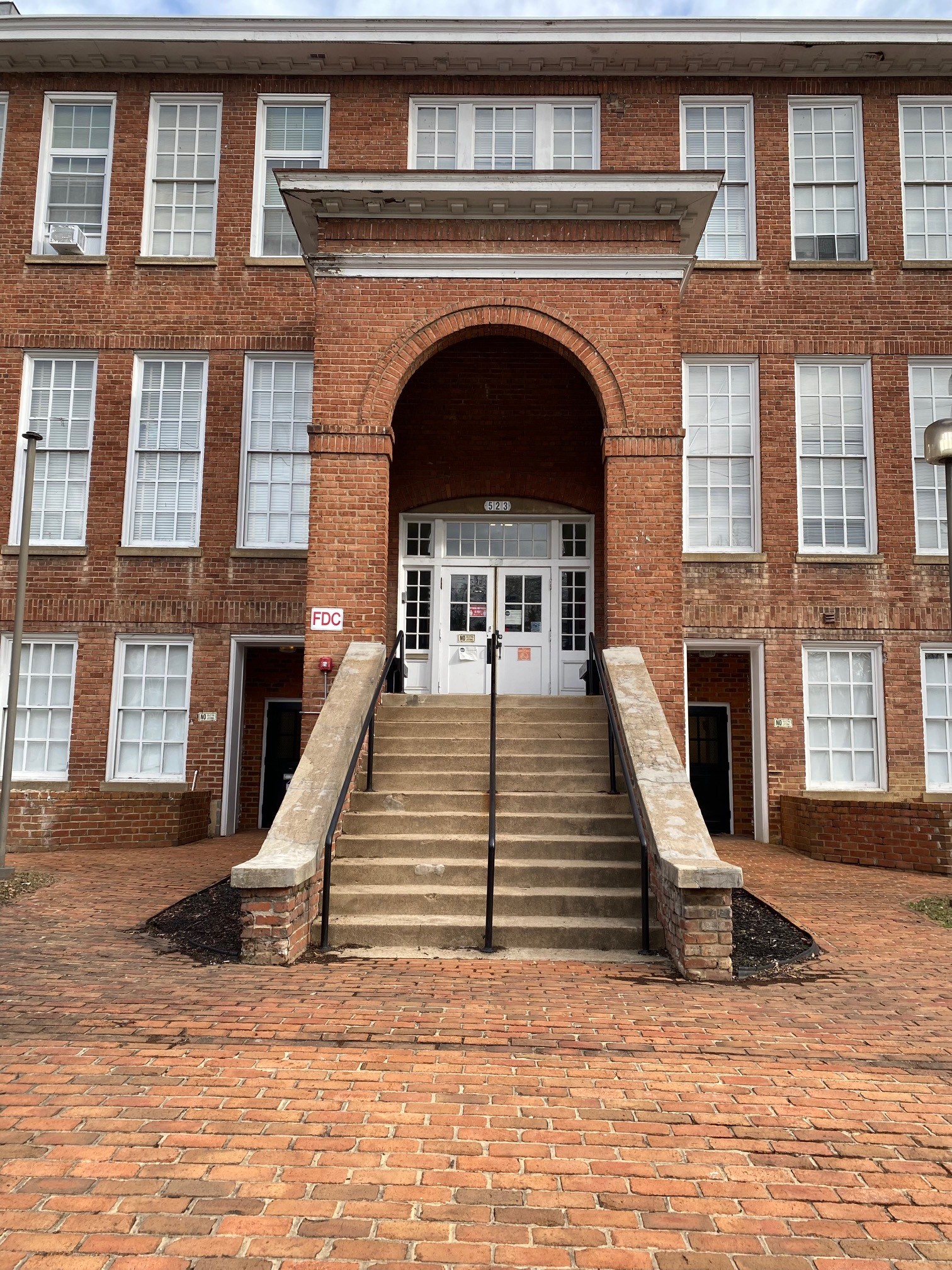
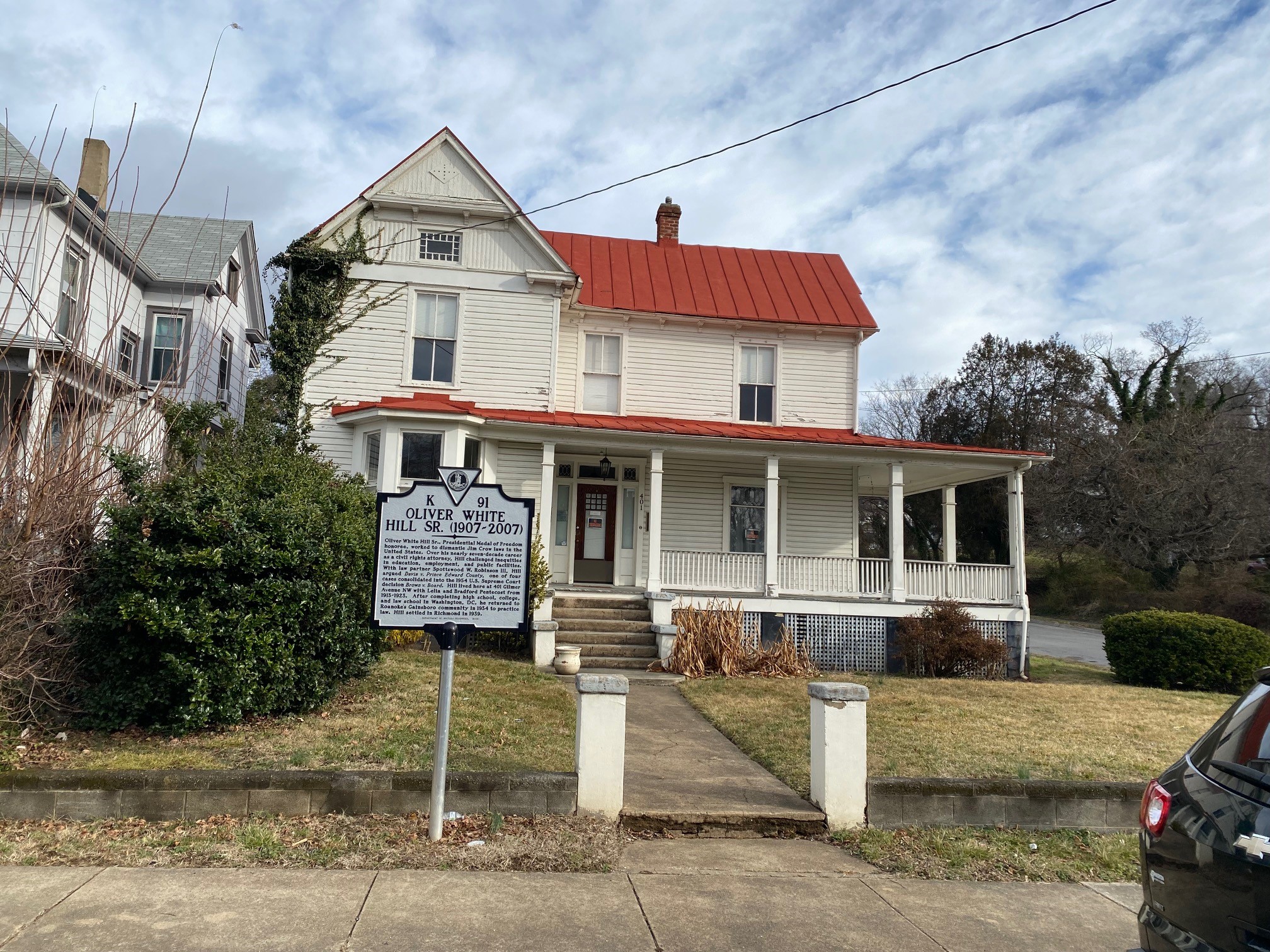
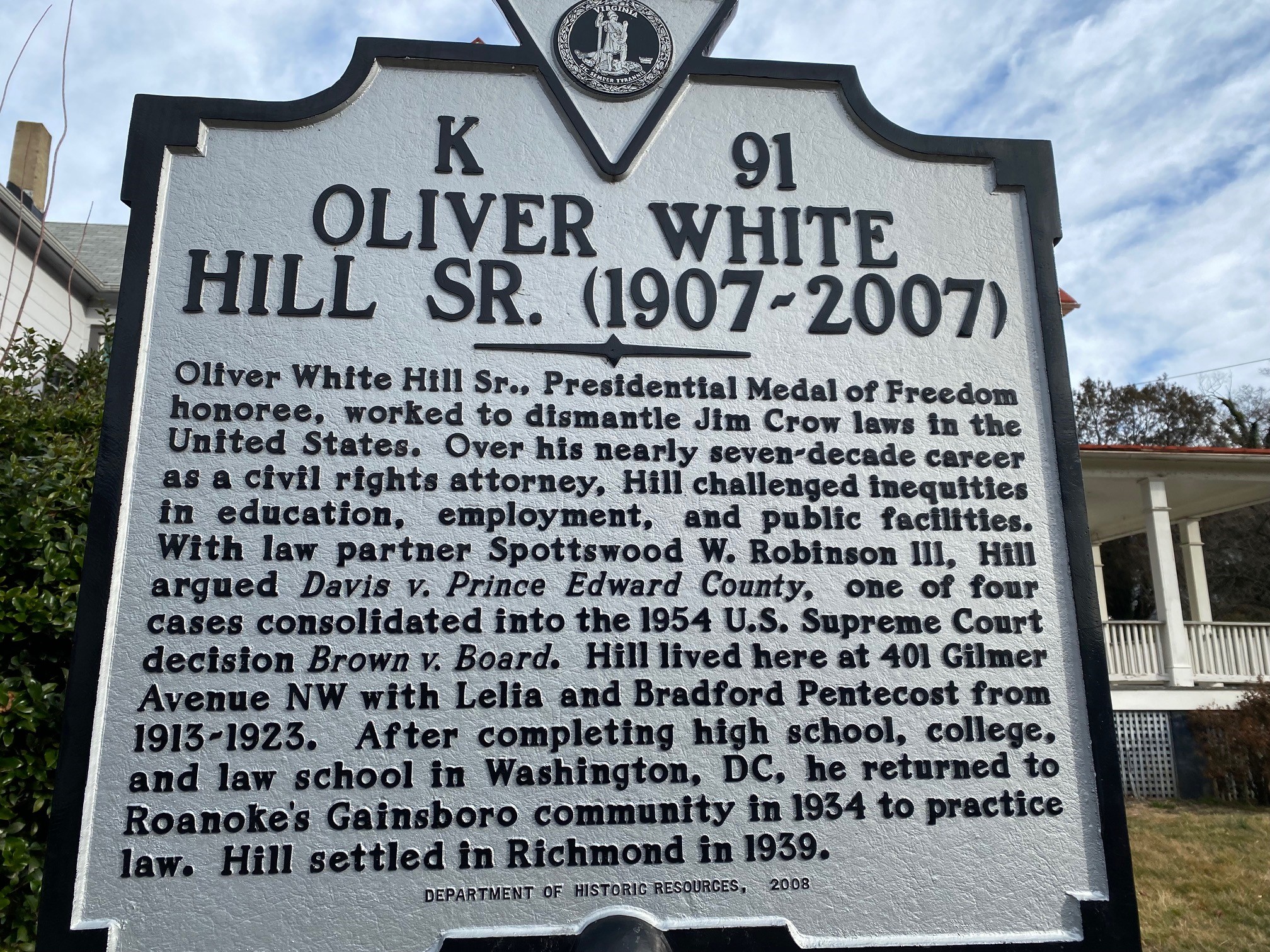
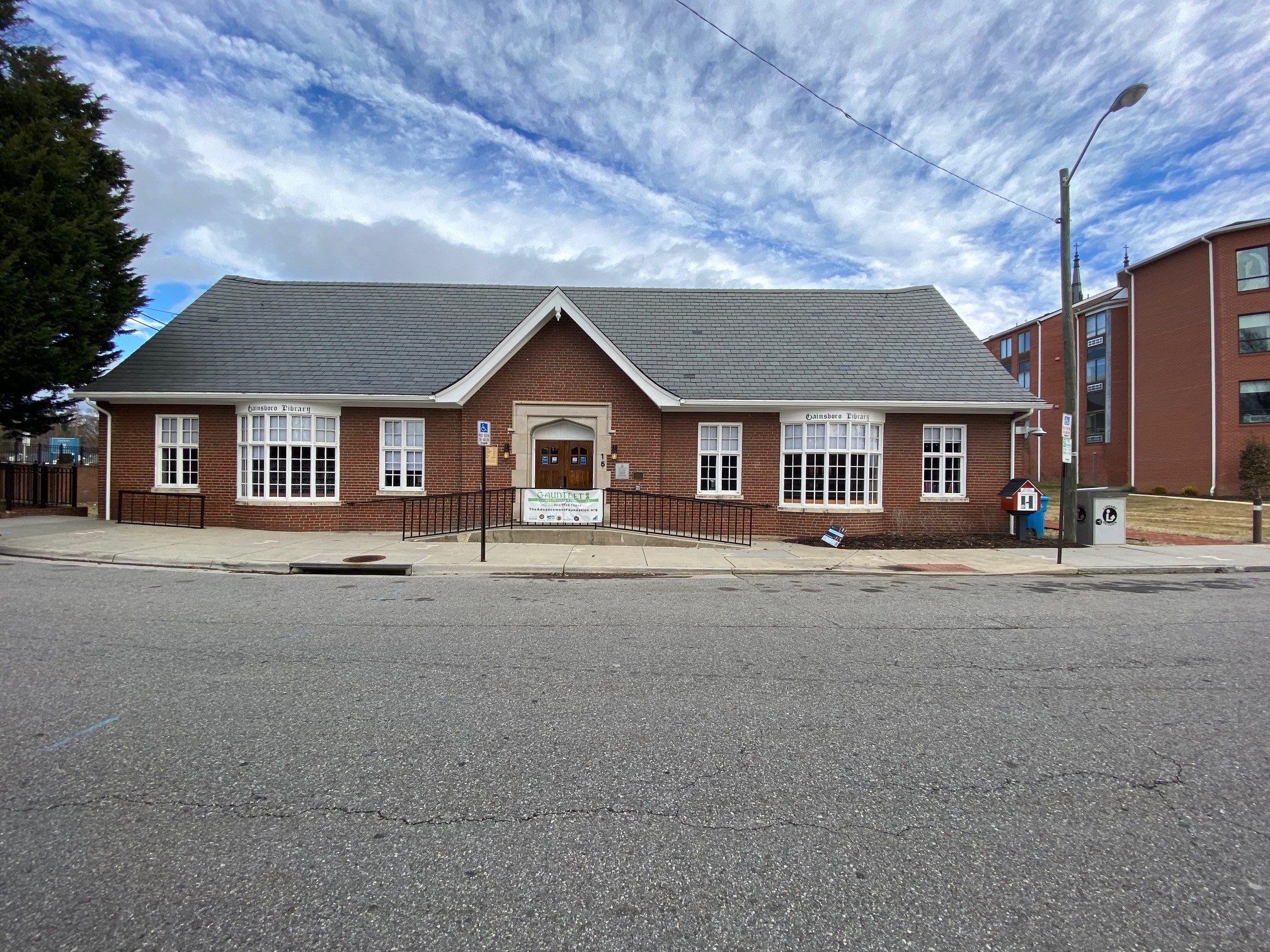
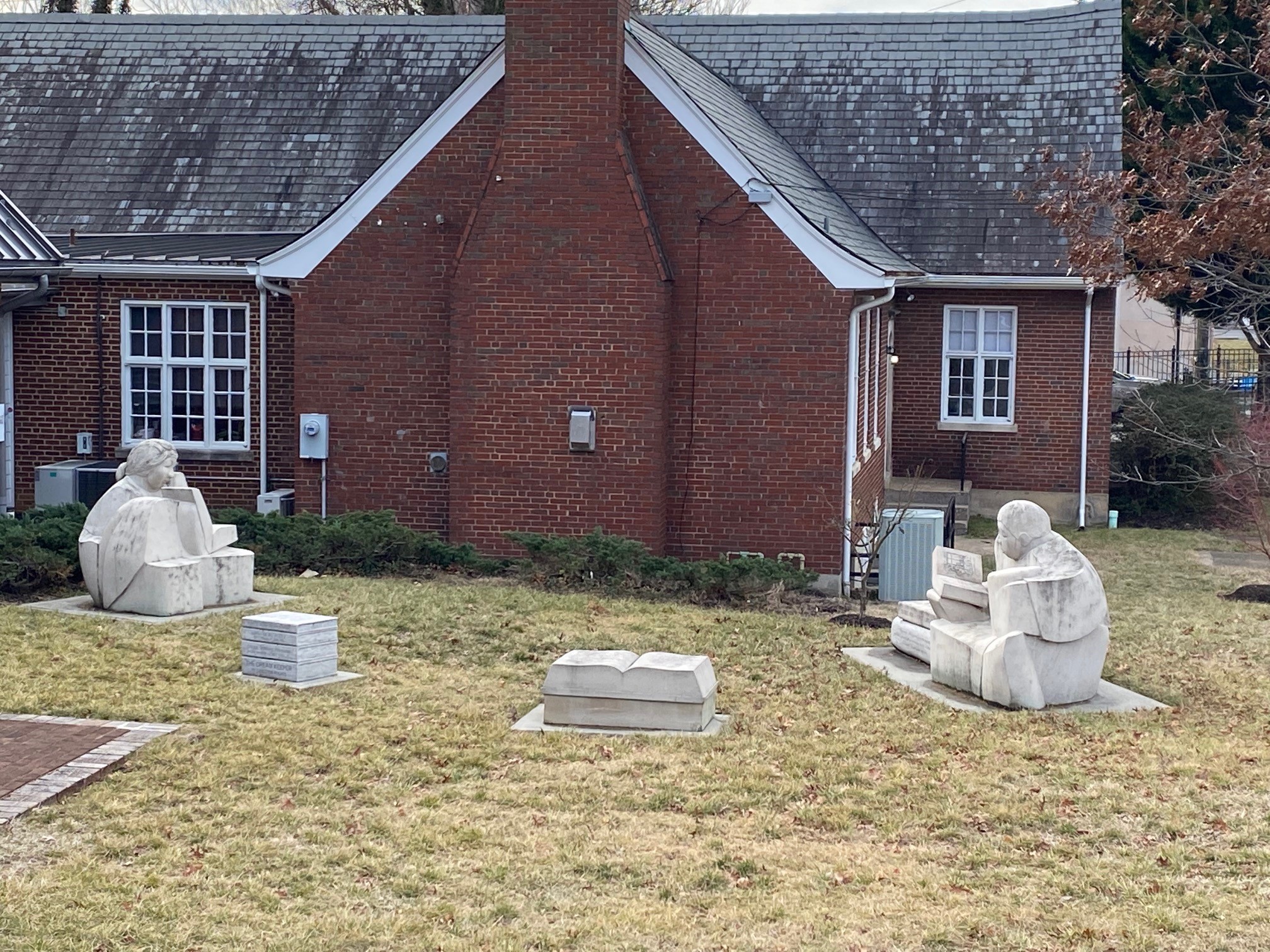
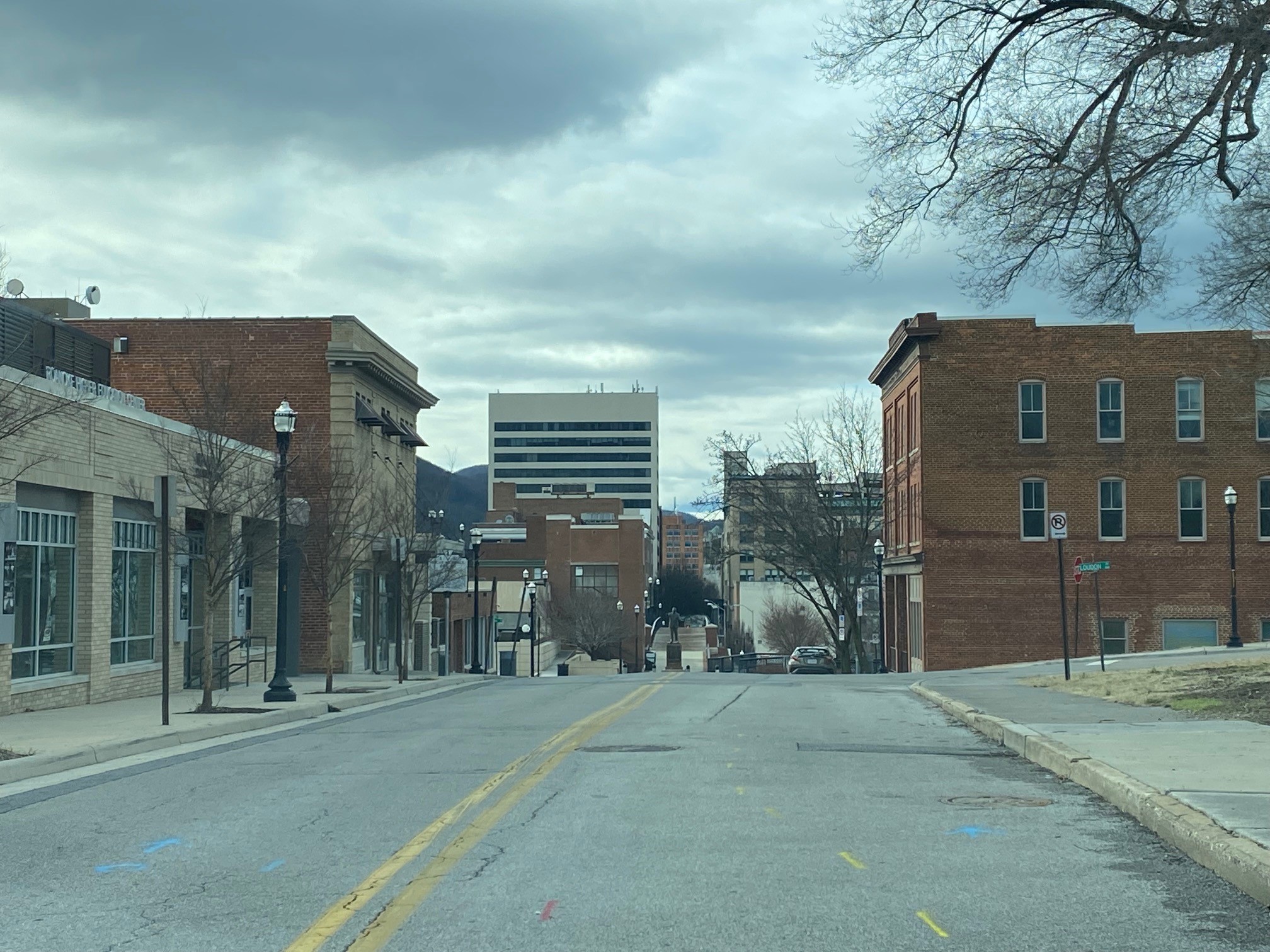
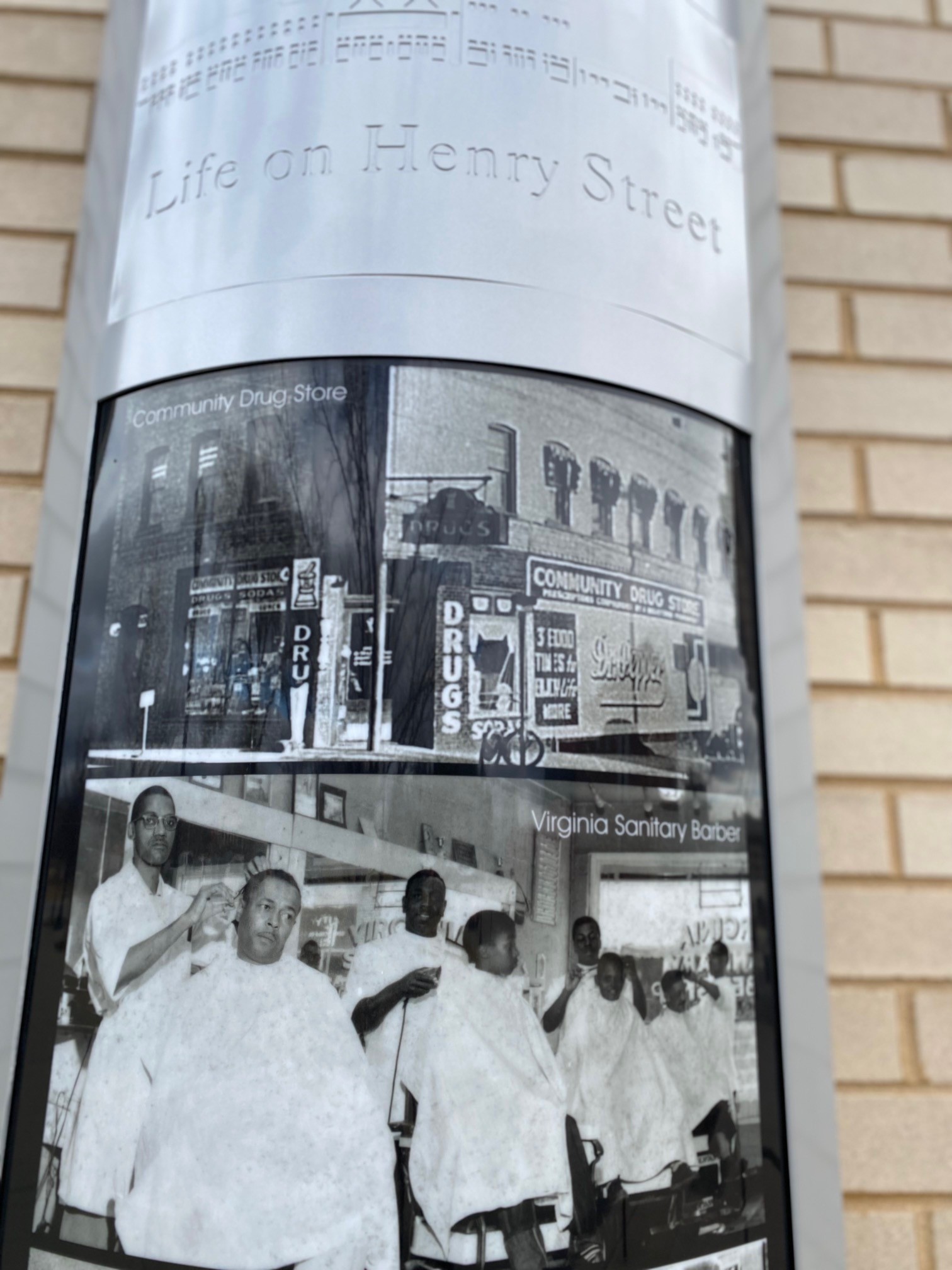
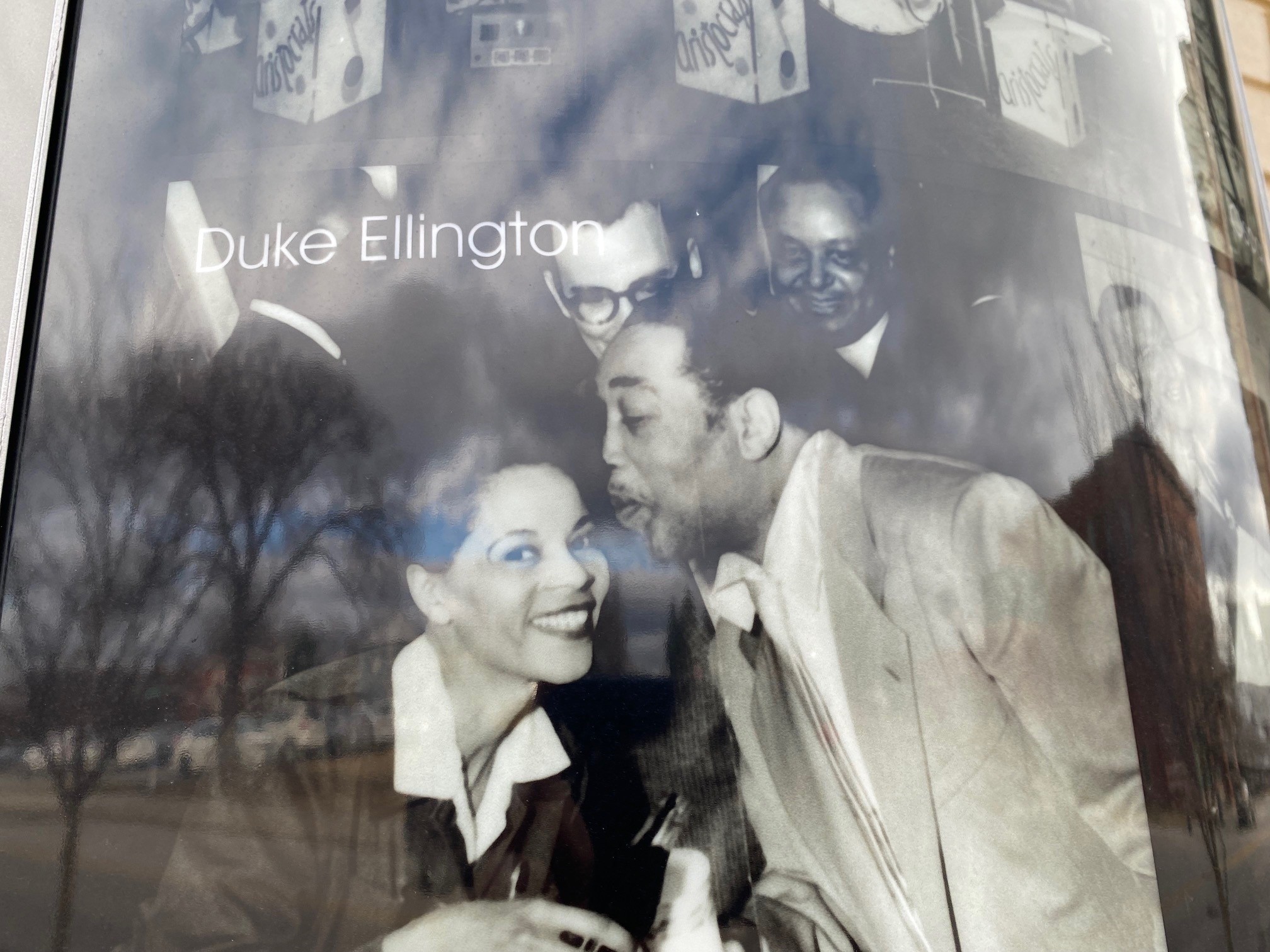
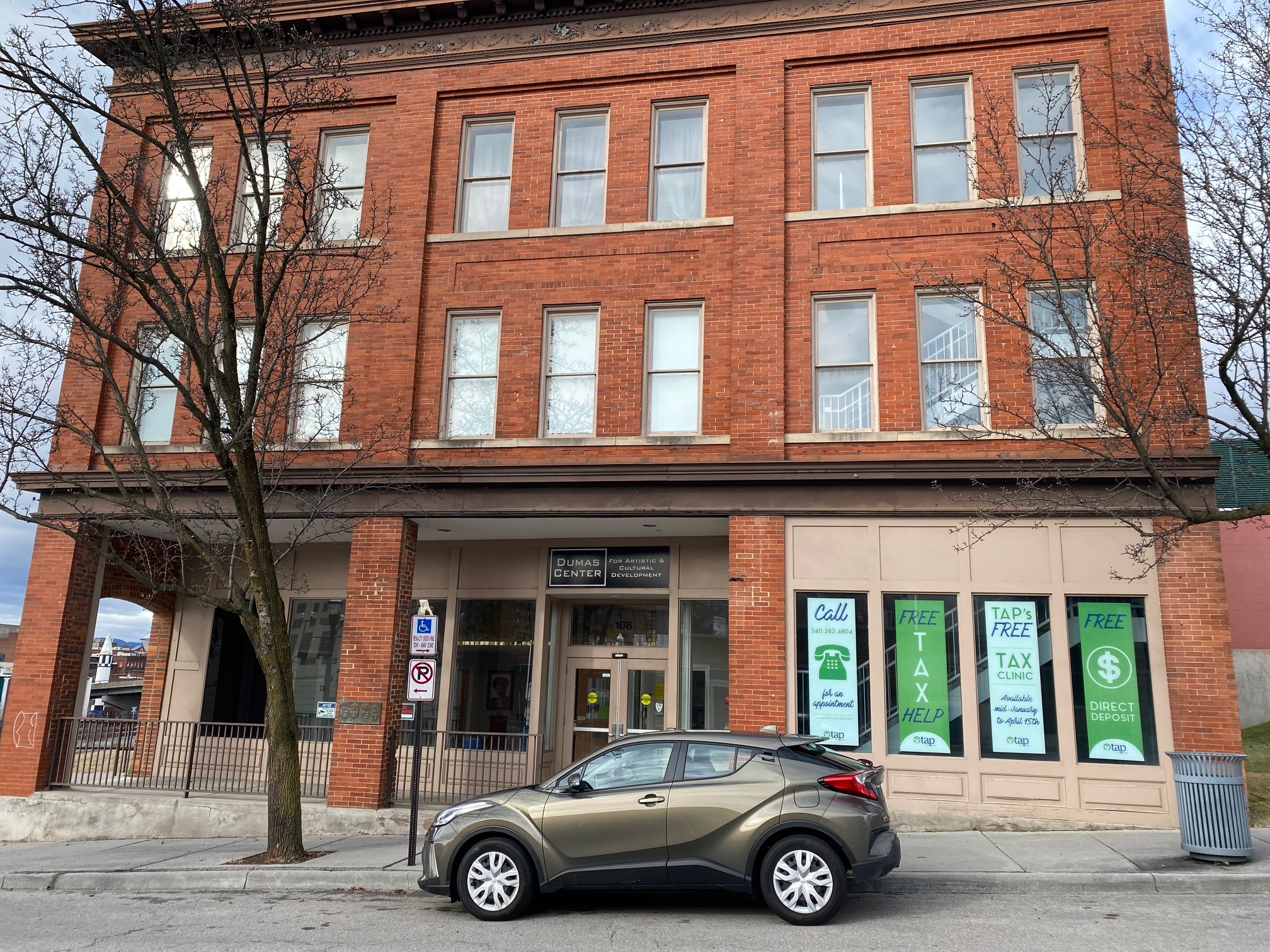
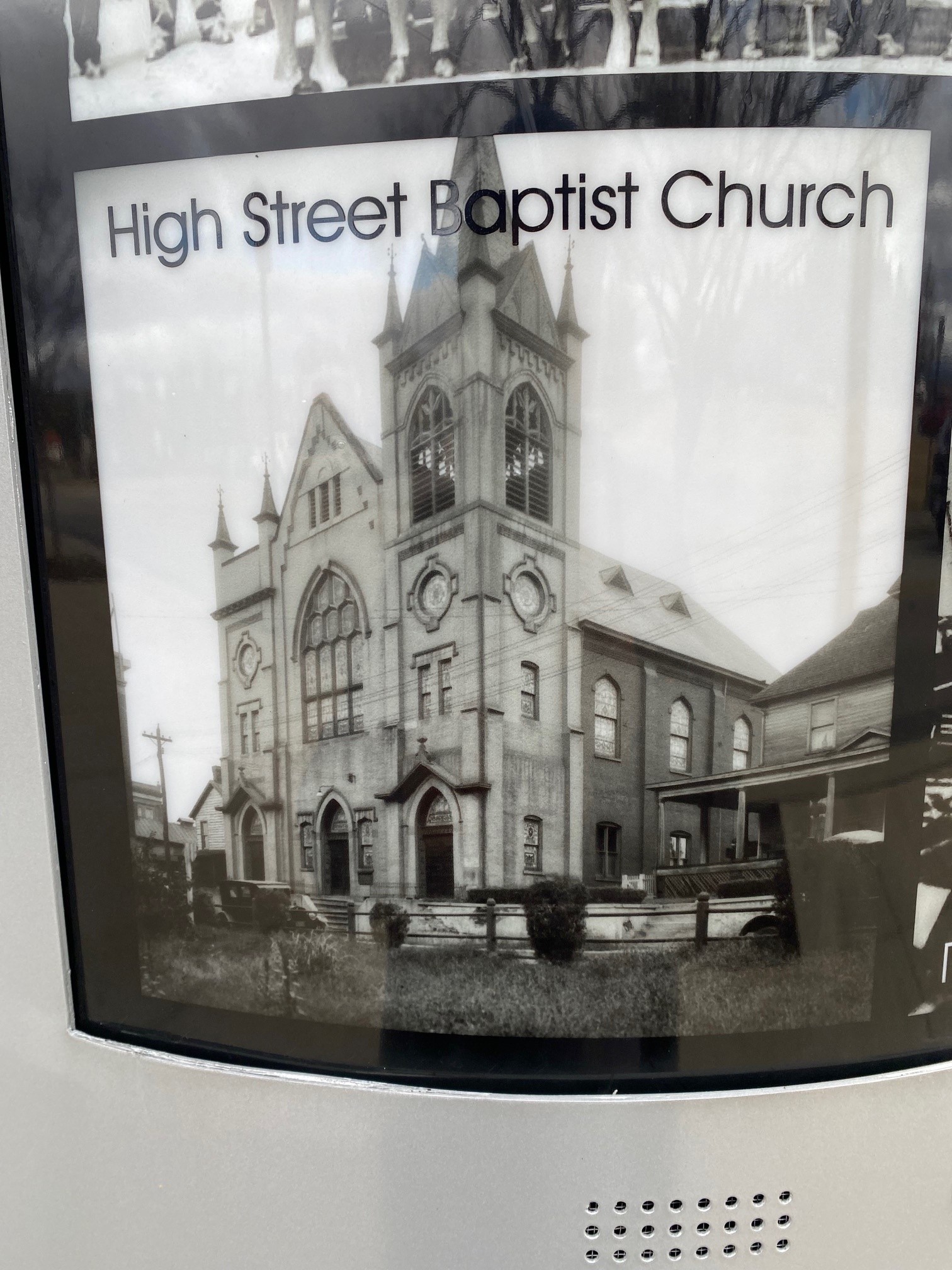
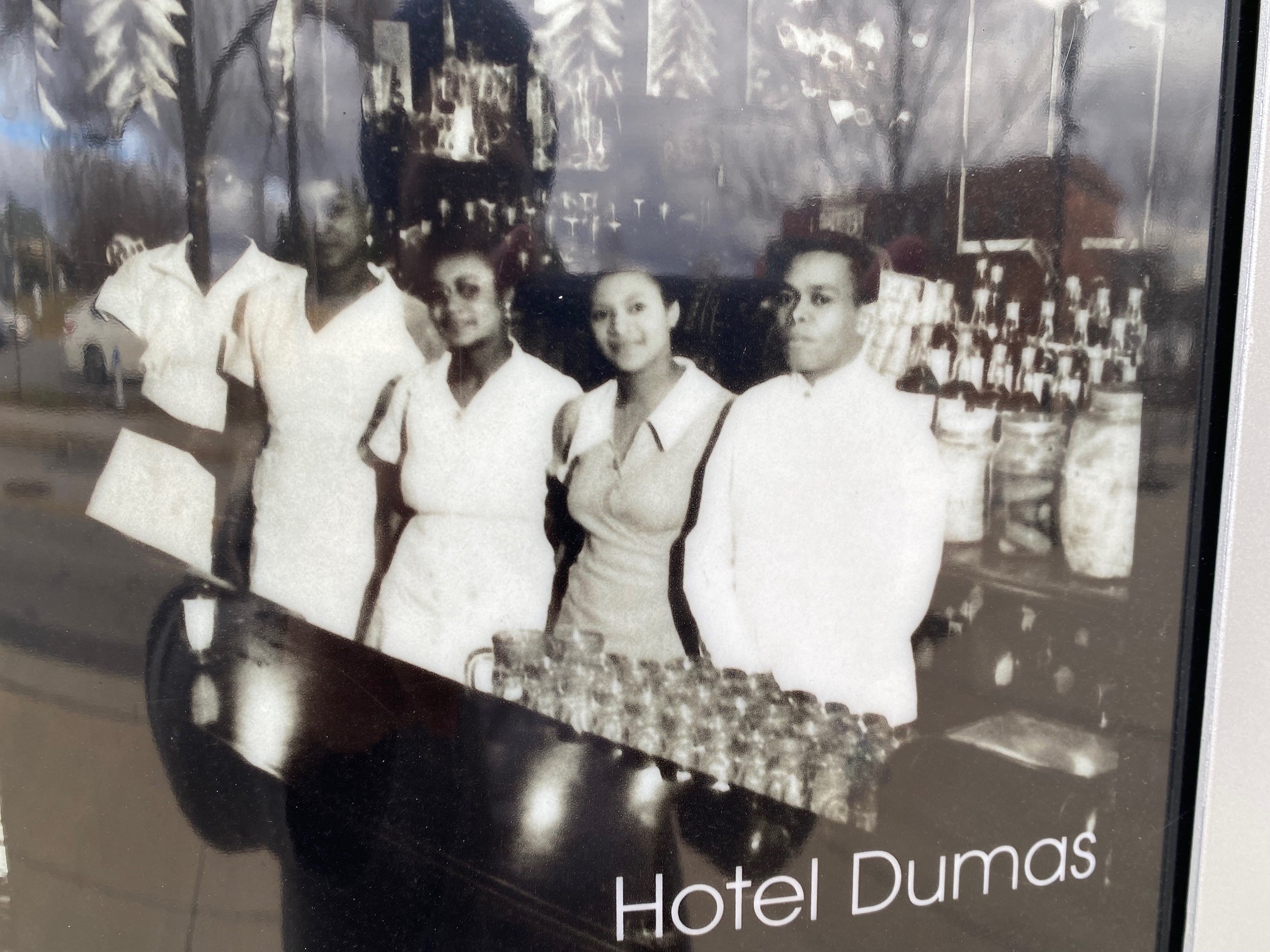
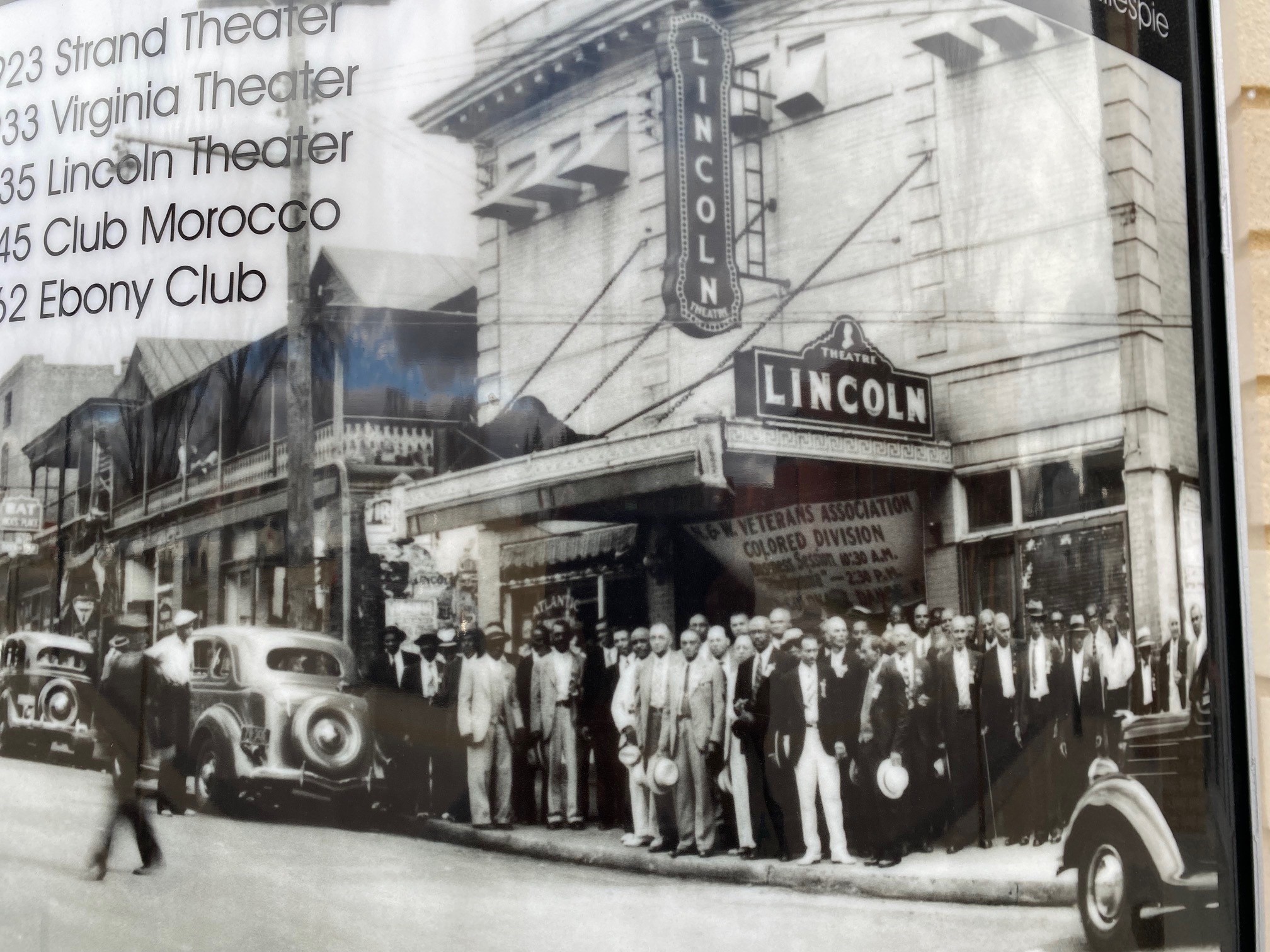
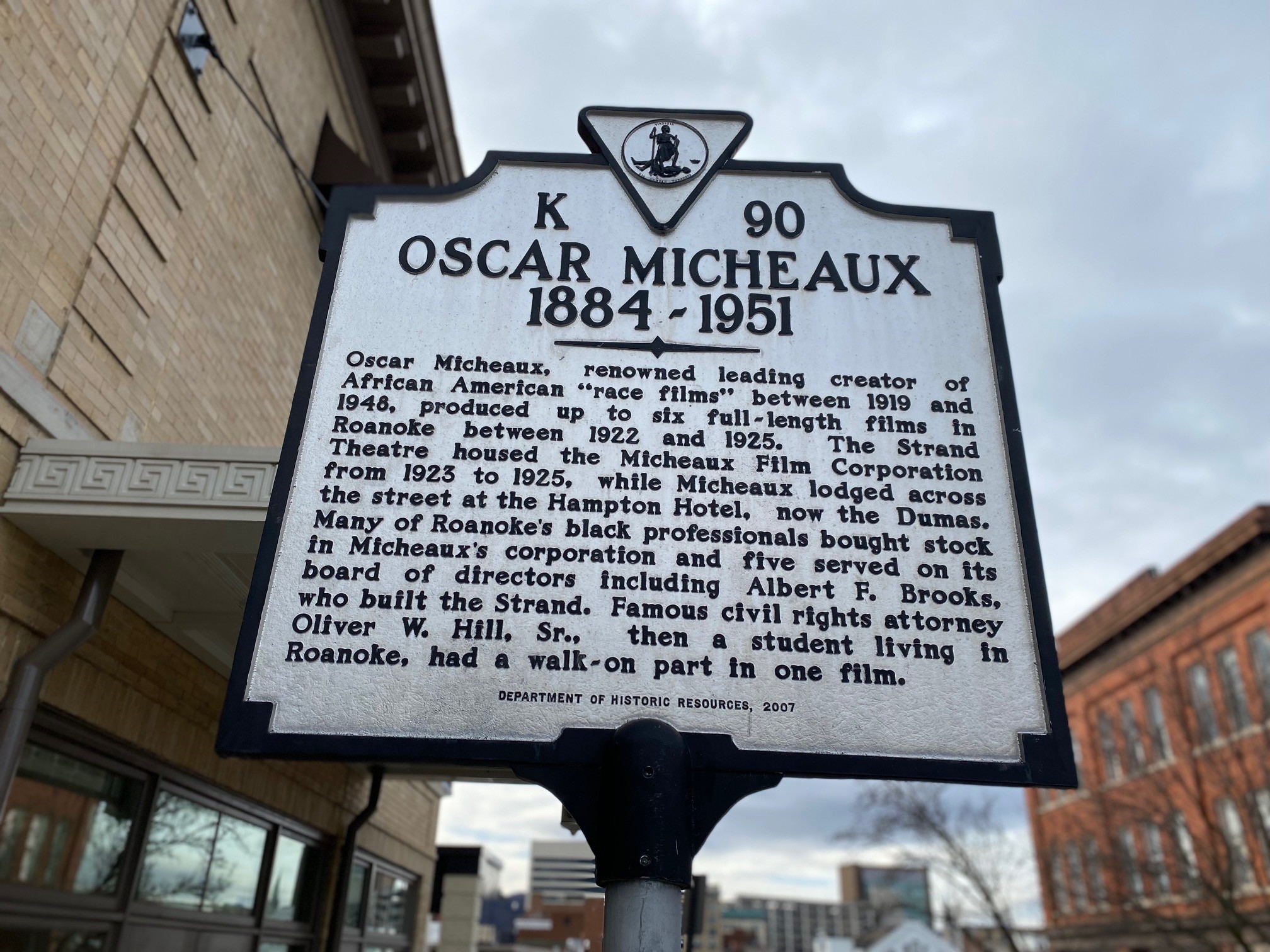
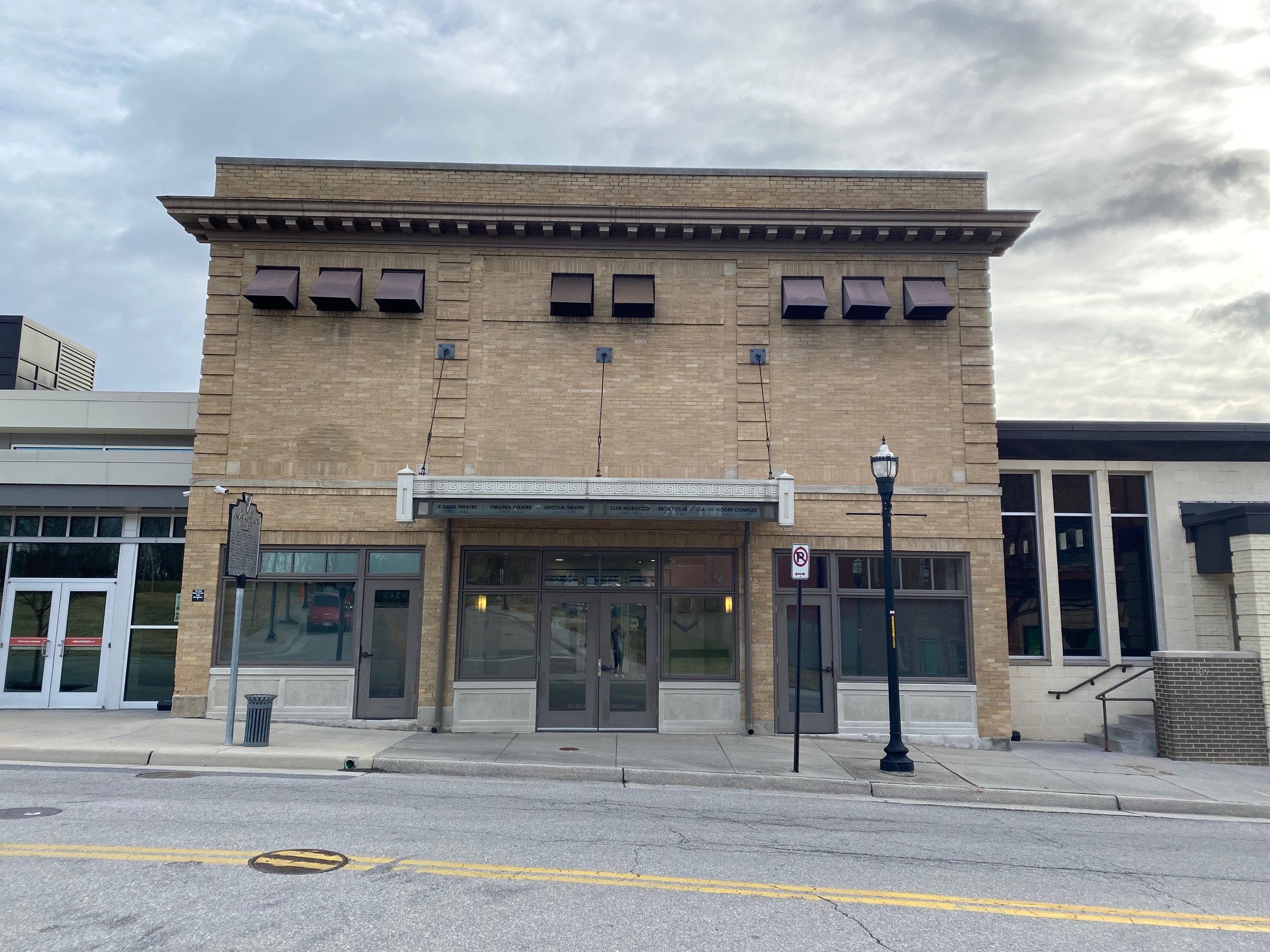
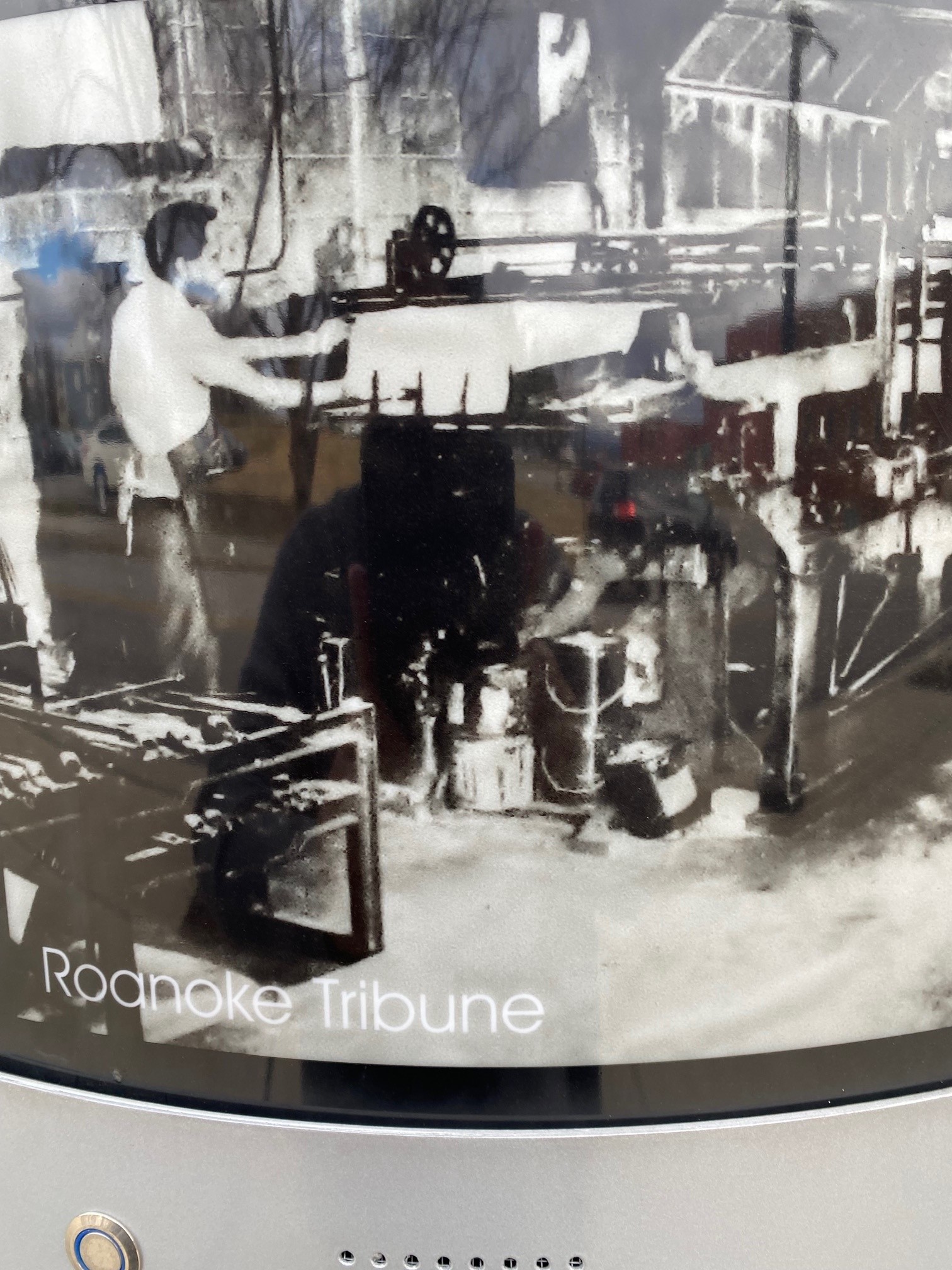
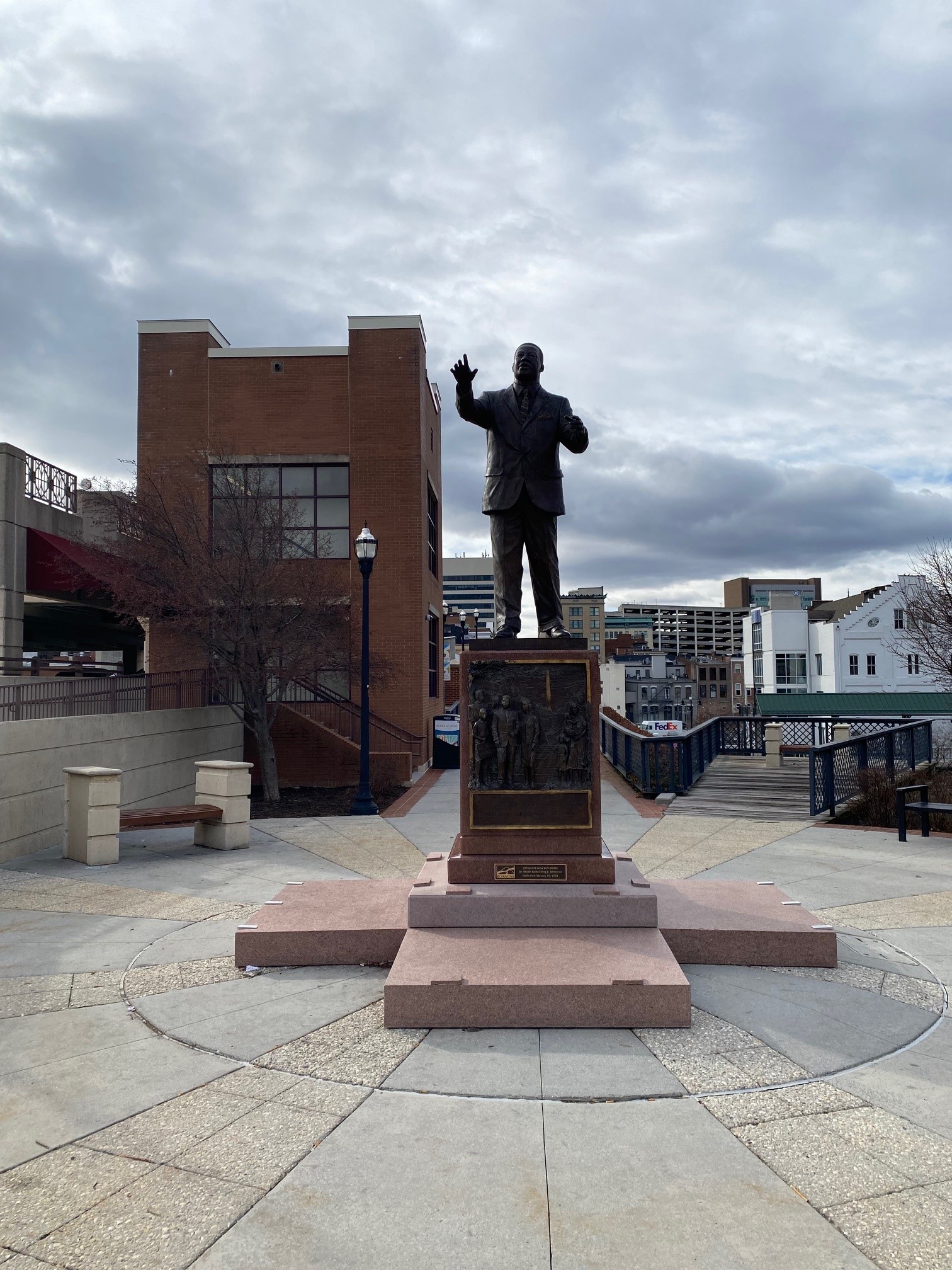
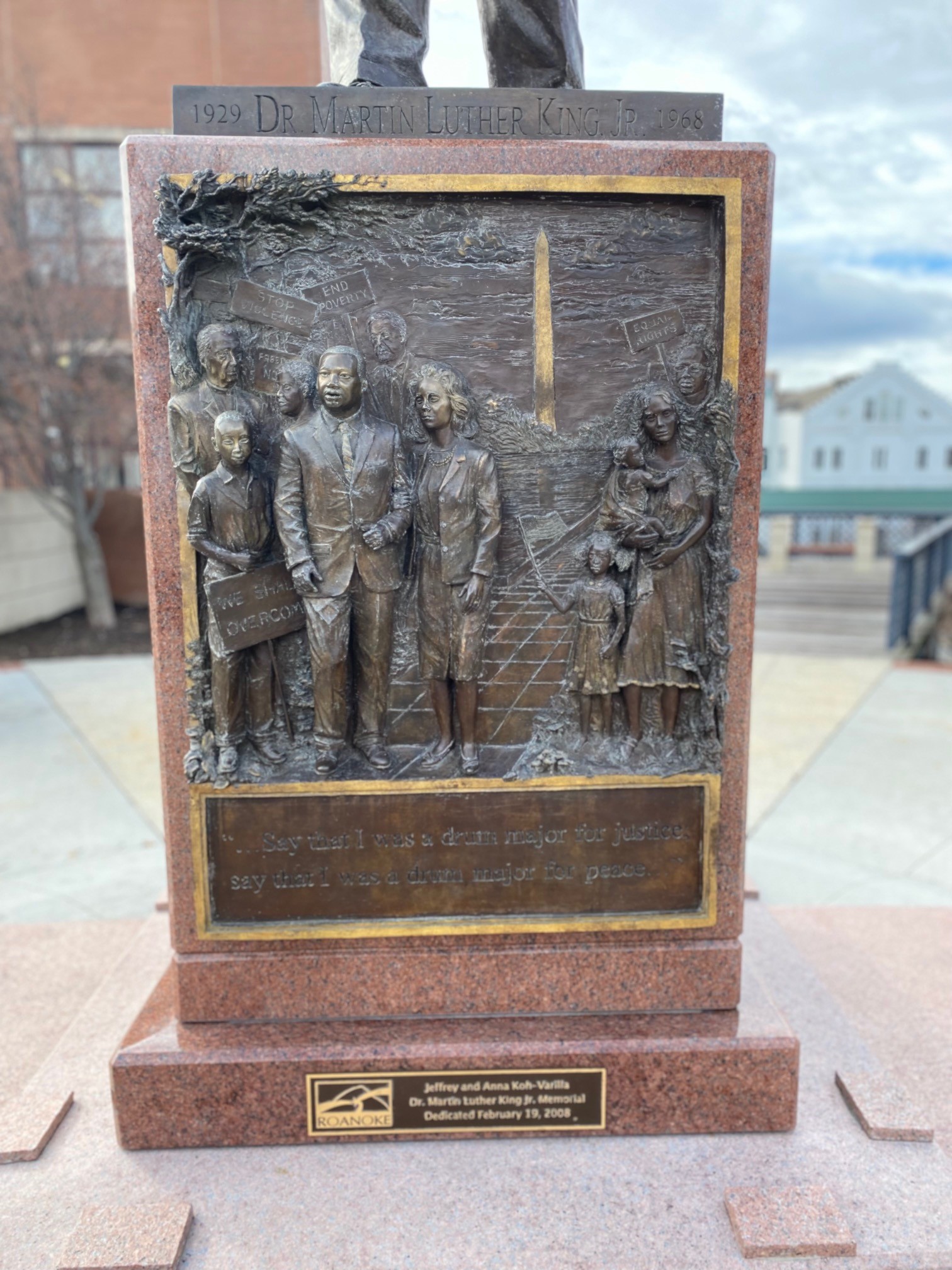
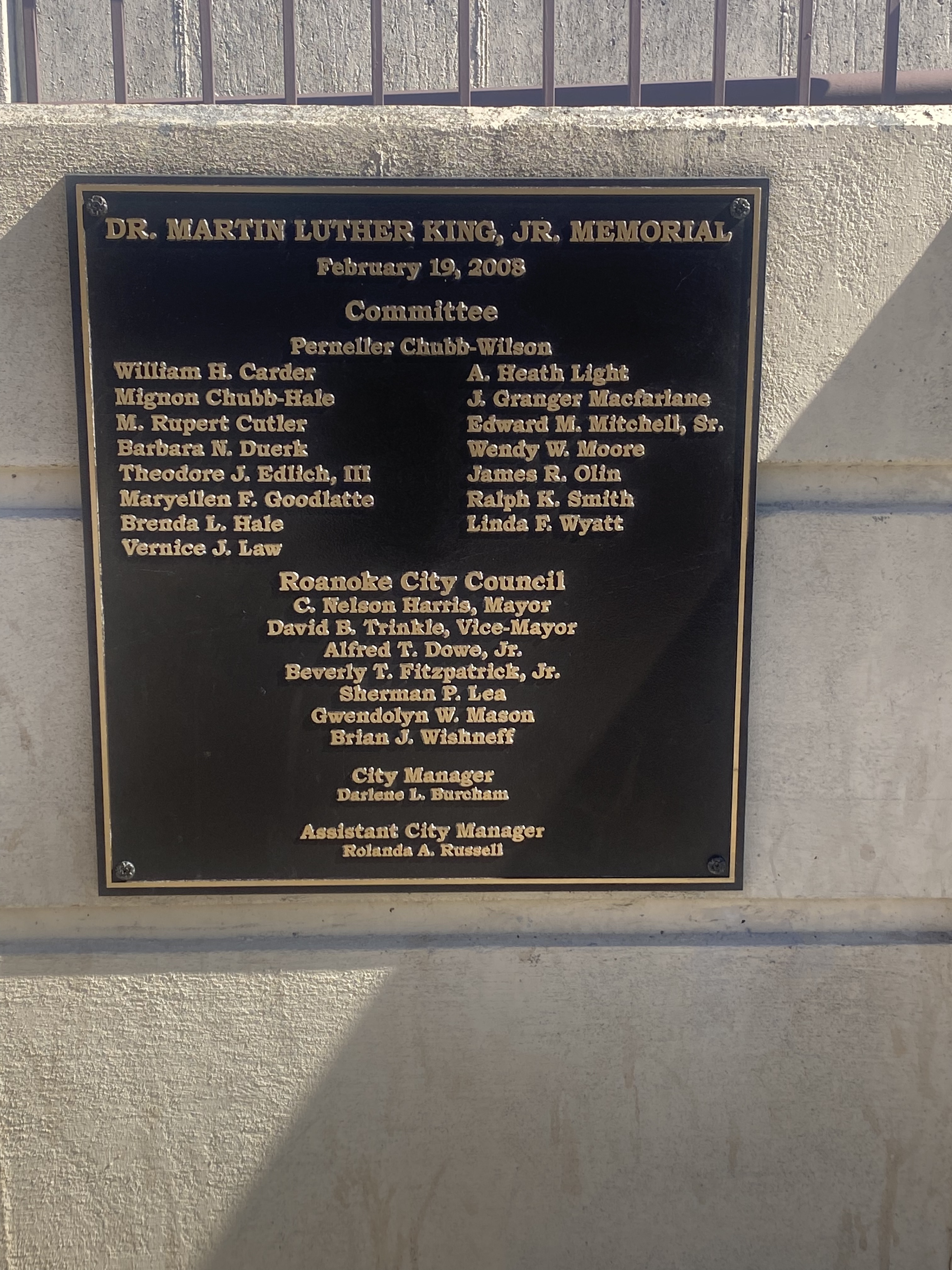
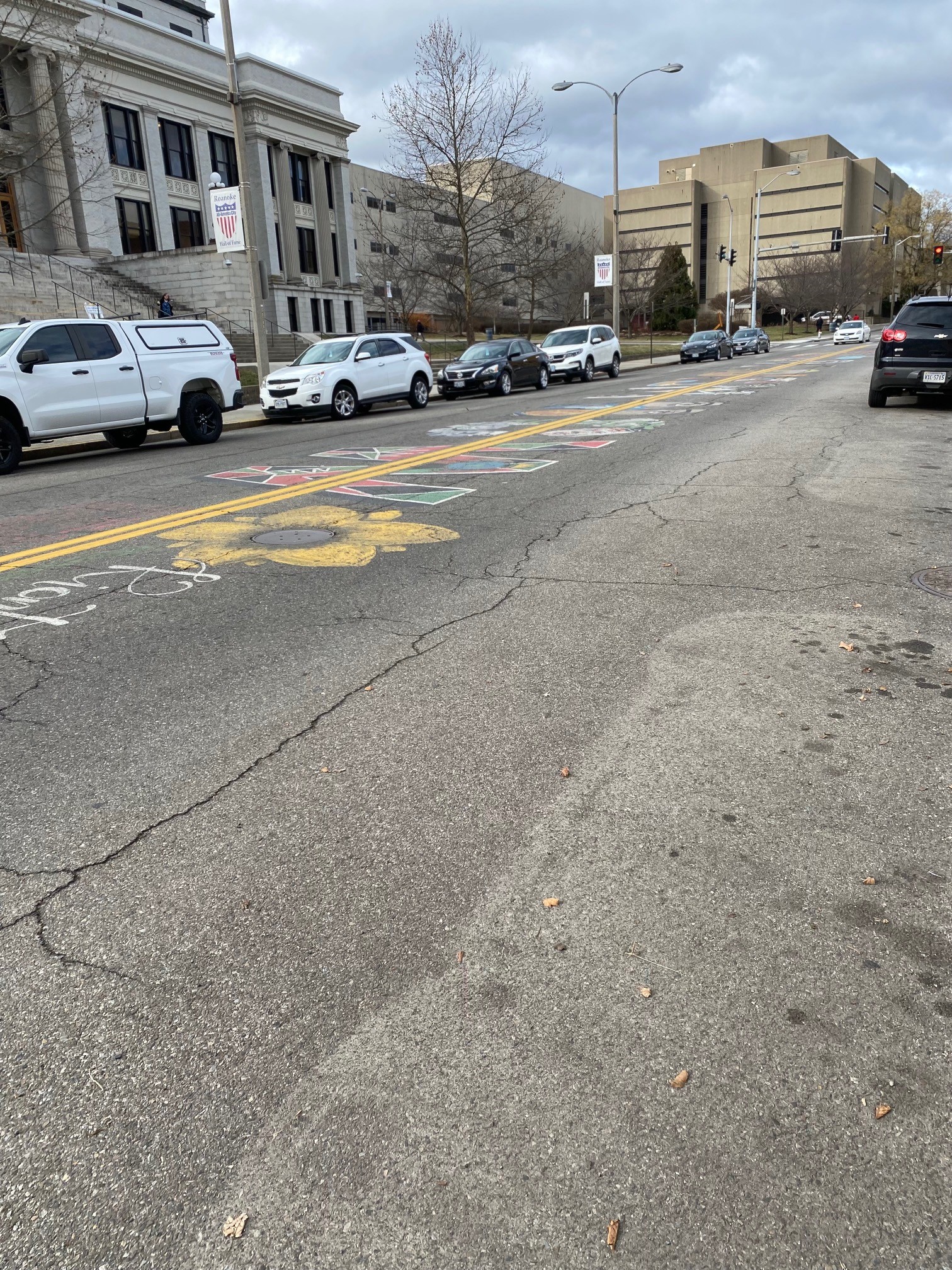
The Self-Guided Gainsboro History Tour 5K, developed by the Fralin Biomedical Research Institute at VTC and the Virginia Tech Carilion School of Medicine, is an informational tour about the rich history of Black culture in Roanoke.
In honor of Black History Month, our Multi-Cultural Employee Resource Group (ERG) took the Gainsboro tour.
Members from the Multi-Cultural ERG share their thoughts about what they learned on the tour and why they're involved in the ERG and Diversity, Equity and Inclusion efforts at Carilion.
