Carilion History: CNRV, Part 2
Our history in the New River Valley began with a hospital built in 1924.
Read on to learn how we got to where we are now!
Competition and Expansion
In 1971, patient utilization declined at Radford Community Hospital (RCH) for the first time, largely because of the opening of Montgomery Regional Hospital.
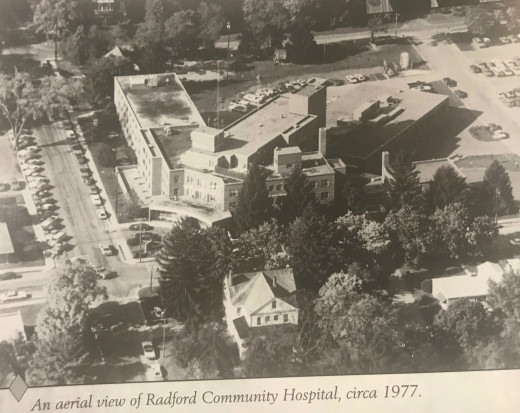
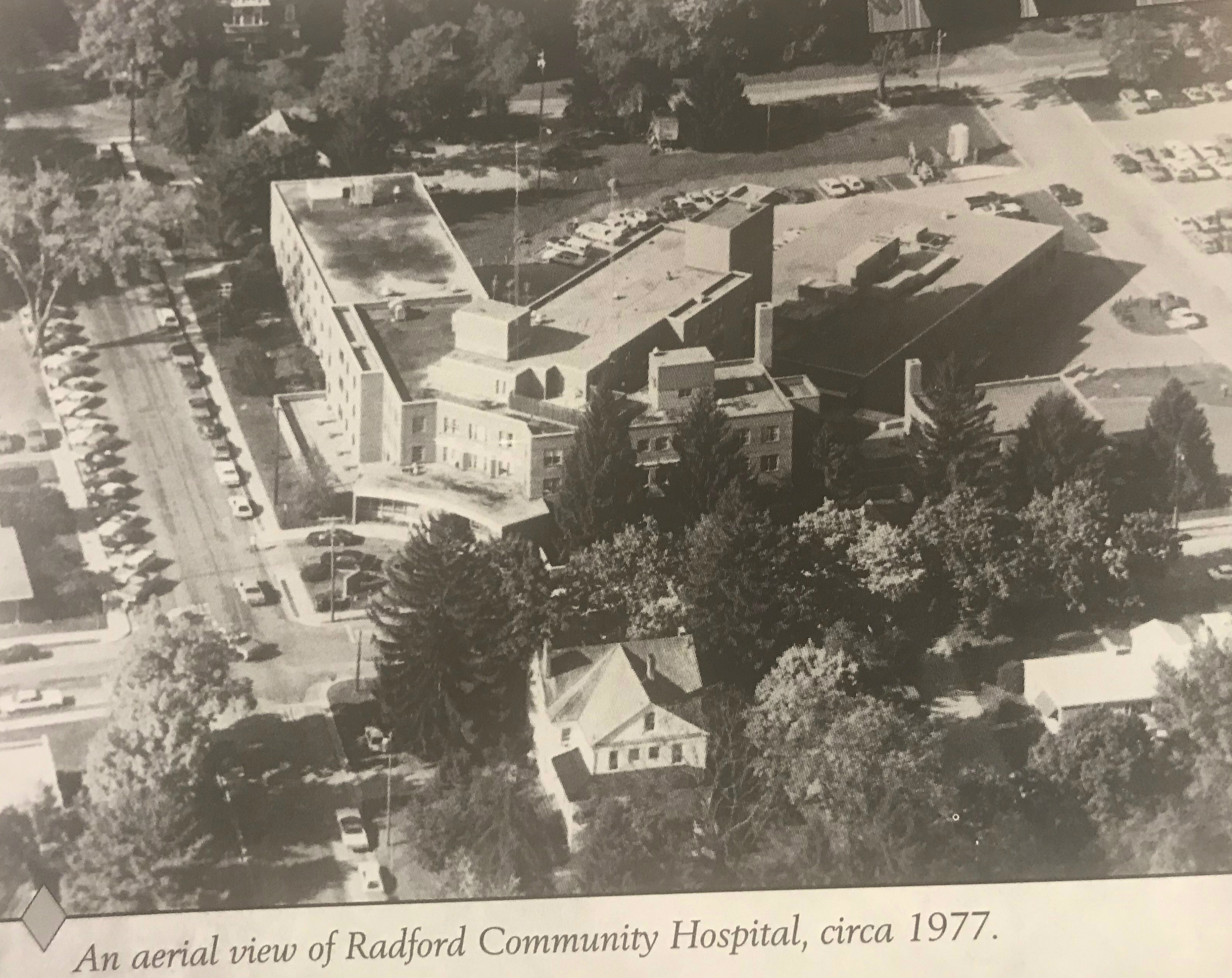
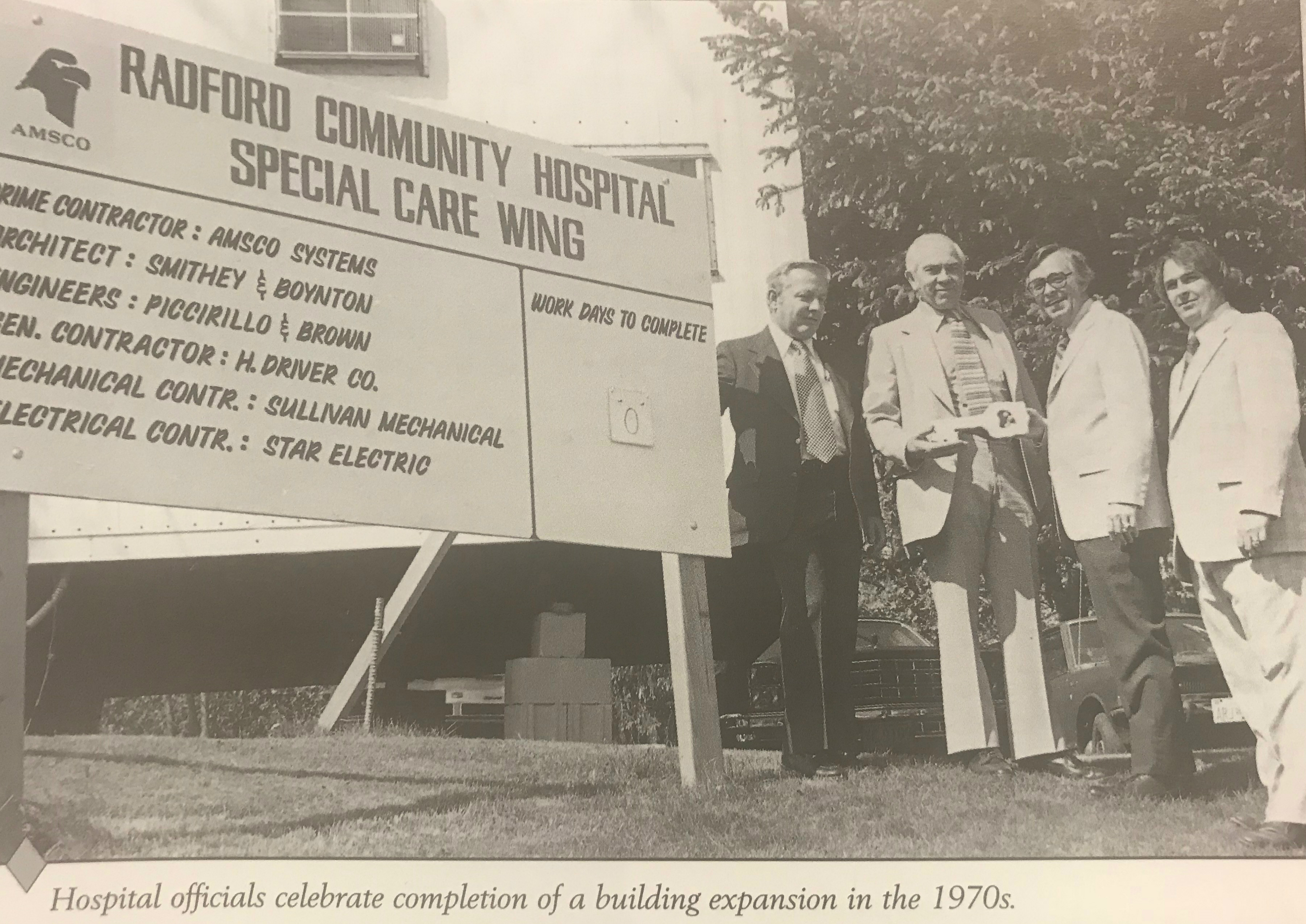
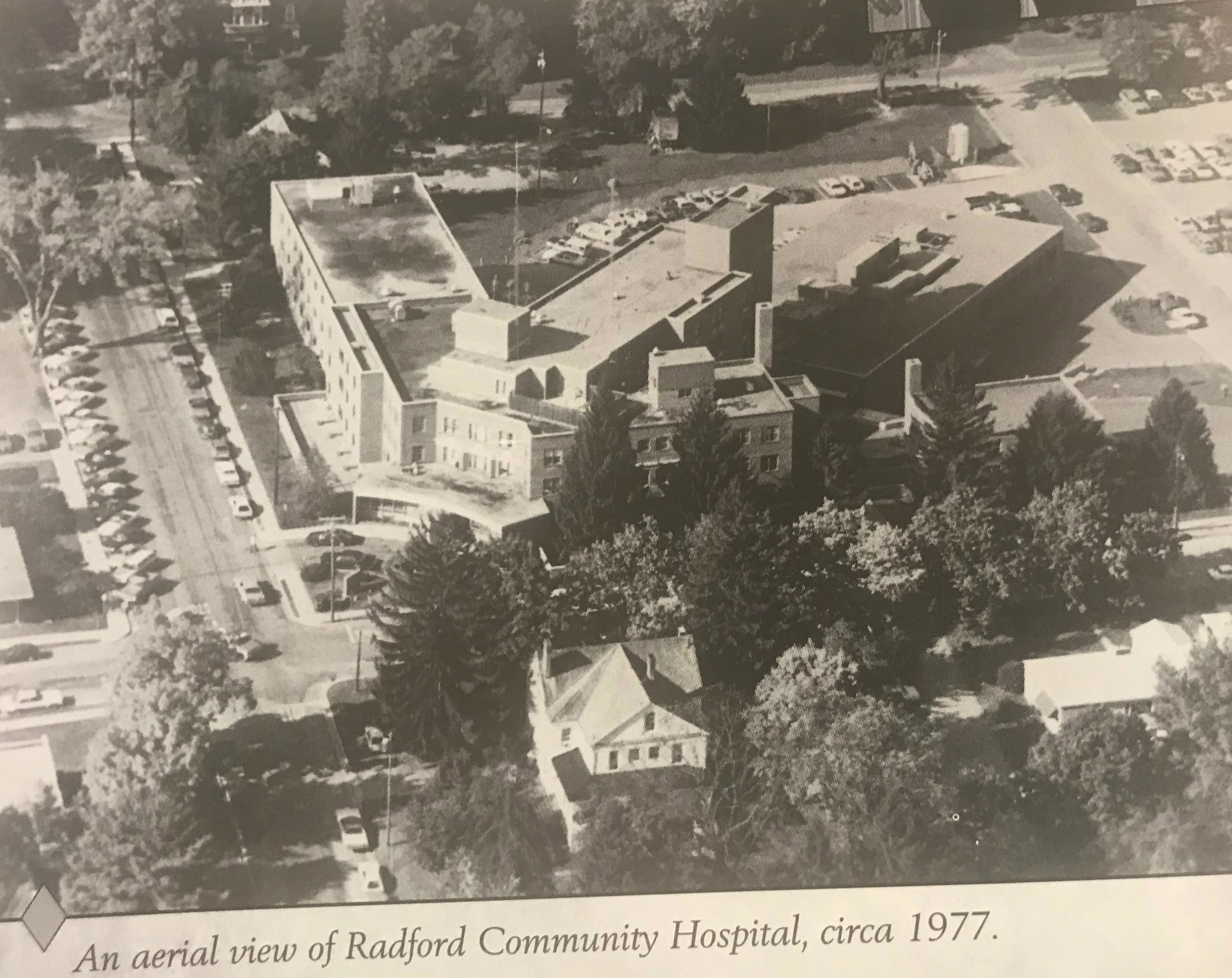
Though RCH converted one floor of a wing that previously contained 38 beds into office, administrative and storage space, they nonetheless took on a $3.5 million expansion program in 1974 to create a modern hospital.
For the first time, no public money was used beyond a limited fund drive, and no state or federal funds were requested for the project.
One of the highlights of the expansion was an enlarged and modernized emergency room that would save money by getting patients into the hospital, treated and out again quickly.
In 1977, the addition opened with a new 7,000-square-foot emergency department, a new surgical suite and an intensive-coronary care unit.
Beyond Hospital Walls
Amazing progress was being made in medical science in the 1980s, with advancement in technology, new equipment and progressive procedures.
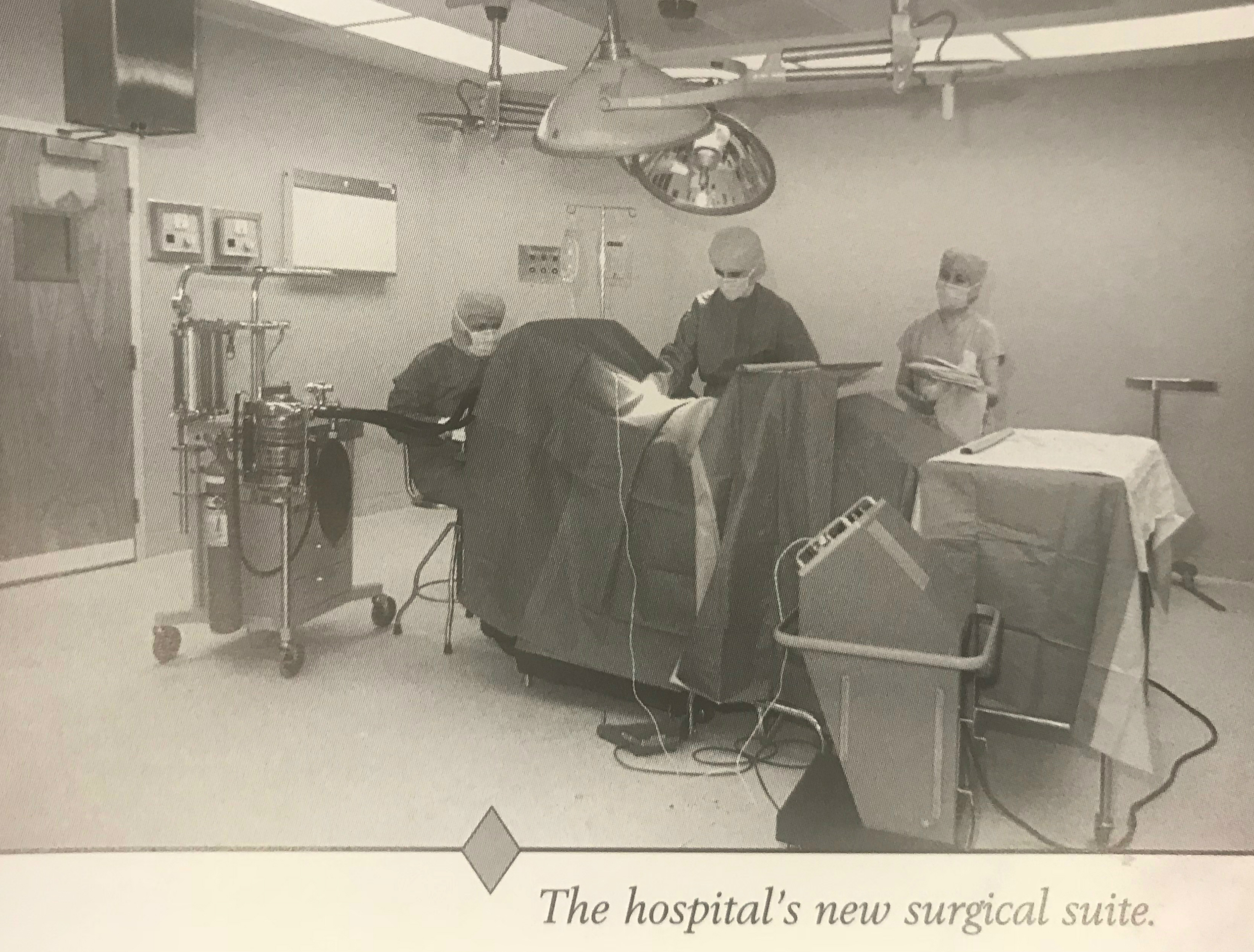
Unfortunately, hospitals were also seeing their costs rise dramatically along with the medical progress. The increased technology was only part of the reason—medicine had become people-oriented, so the total employment at RCH had risen to 407 people, for a staff/patient ratio of three employees for every patient.
While costs were continuing to rise, patient lengths of stay were declining.
At RCH in 1980, the average length of stay was down to 5.8 days compared to 10 or more days just a few years earlier.
Around the same time, RCH began to explore how to take its services beyond the hospital walls and into the community as a means of keeping people healthy rather than wait until they were sick to offer them assistance.
RCH’s emphasis would grow in the coming years with free events, clinics, screenings, workshops, classes, studies and programs.
Innovations Abound
Through the mid-80s, innovations in medical care continued to arrive at the hospital.
The cardiology department instituted a cardiac rehabilitation program in 1983 with exercise, patient education and counseling as well as weight management.
In 1986, a wellness center was opened to help people stay healthy through exercise and other preventative measures.
Also in 1986, laser surgery was being used to treat diabetic patients with eye problems or recurring problems related to cataracts.
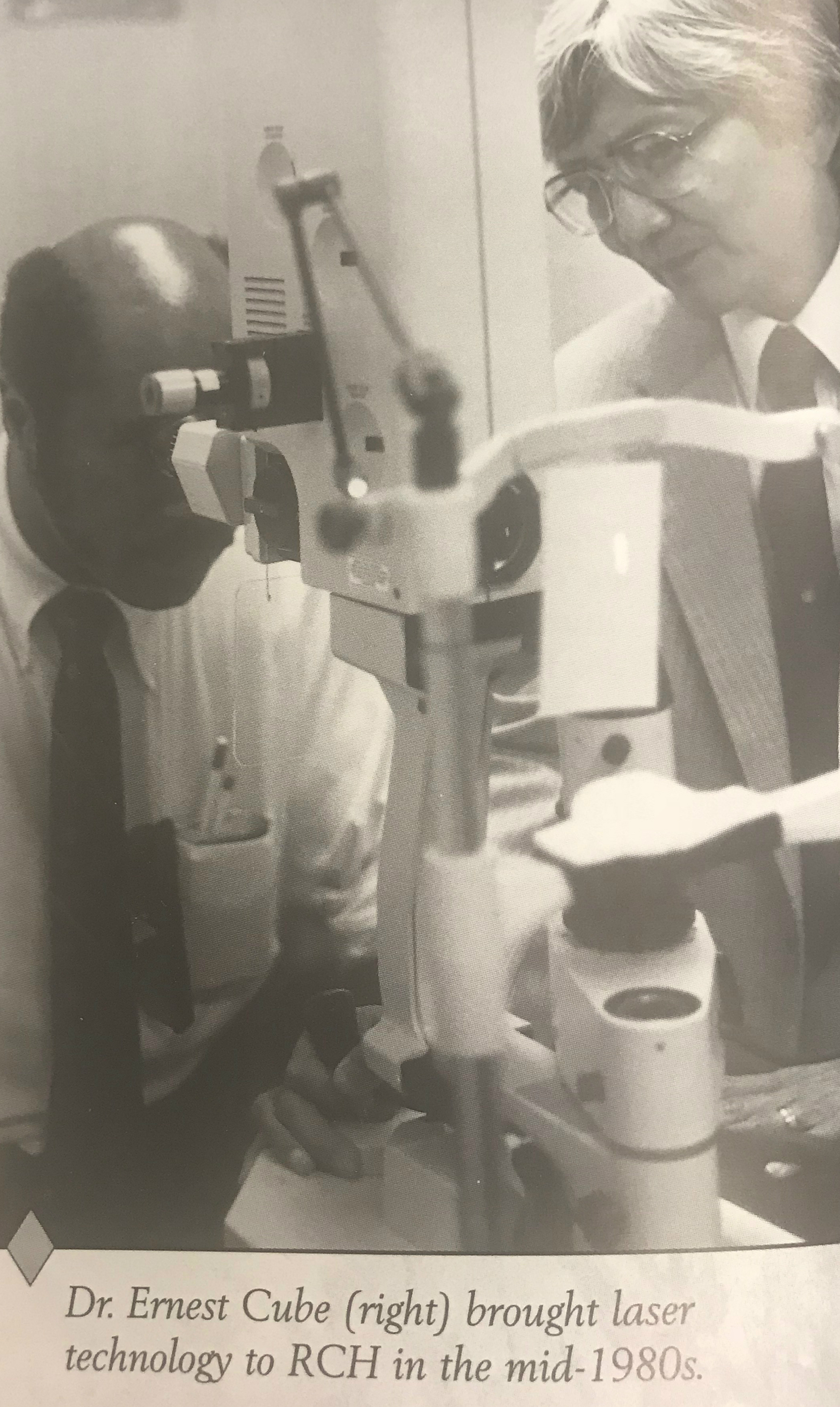
Inpatient stays were steadily declining while outpatient services were growing rapidly. Statistics showed a drop of 17.6 percent in inpatient services in southwest Virginia from 1984 through 1986. The decline was expected to continue with a 10.5 percent drop expected through 1990, but an increase by 30 percent to outpatient services through the same year.
In response, RCH announced plans to reduce the number of beds at the facility so inpatient needs could be met for efficiently and additional space could be provided to meet the demands of growing outpatient departments.
The Road to Affiliation
A $7.7 million construction and renovation project was discussed for RCH, but plans were delayed when RCH started informal discussions with the Roanoke Hospital Association (RHA) regarding affiliation in late 1986.
The Federal Trade Commission gave its approval for the affiliation in November 1987, during the transition of Roanoke Hospital Association into Carilion Health System.
The executive director of RCH touted the affiliation for bringing benefits to RCH and the community, including making the hospital better equipped to care for area residence through Carilion’s engineering programs and centers of excellence.
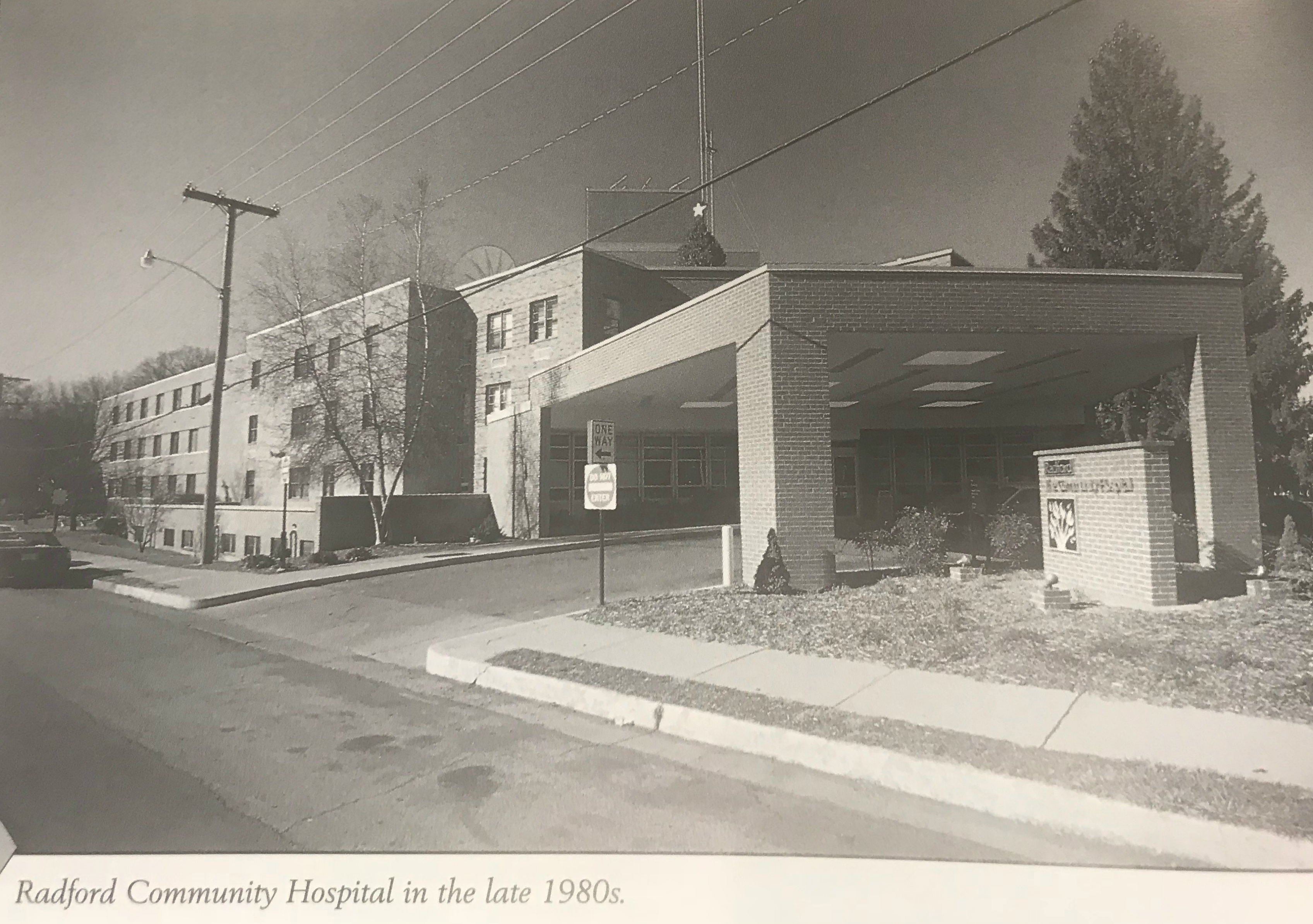
When RCH joined Carilion, it was with the understanding that Radford would either have a new hospital or modernized additions to the current hospital in the coming years.
Despite the aging facility, RCH continued to grow and new programs were added. But the number of inpatients continued to decline and a hiring freeze for new employees was implemented.
In 1983, in preparation for a new hospital, a steering committee started working with a consultant group to update operational strategies for the future and propose a patient-focused care plan.
As early as 1986, hospital officials were aware that a new facility would ultimately have to be constructed in a new location.
Planning for the New Hospital
The hospital purchased 110 acres of land near the Route 177 interchange with I-81 to build a new facility. The location meant RCH could capitalize on its standing as a regional hospital.
The new hospital would be designed to provide services in the most efficient and cost-effective manner, while maintaining the hospital’s high standard of quality. In addition, the new hospital’s campus-style arrangement allowed for related businesses and future growth, and its location would help accelerate development in the New River Valley.
From the outset, the hospital initiated a campaign to educate the public about the need for a new facility, spelling out the improvements to local health care and the boost the economy the new hospital would provide.
Area residents greeted the news with enthusiasm, and the Southwest Virginia Health Systems Agency voted overwhelmingly to approve RCH’s application to build a replacement hospital.
As RCH prepared to build their new hospital, Carilion Health System restructured to empower its affiliated hospitals to work in a more integrated fashion; to reflect this new spirit of cohesiveness and cooperation, “Carilion” was added to the name of each of the systems owned hospitals, and RCH became known as Carilion Radford Community Hospital (CRAD).
Before the new hospital opened, the CRAD board of directors decided to name the new hospital Carilion New River Valley Medical Center (CNRV) to reflect the regional focus of the facility.
Ground was broken on Jan. 22, 1997 for the estimated $56M facility.
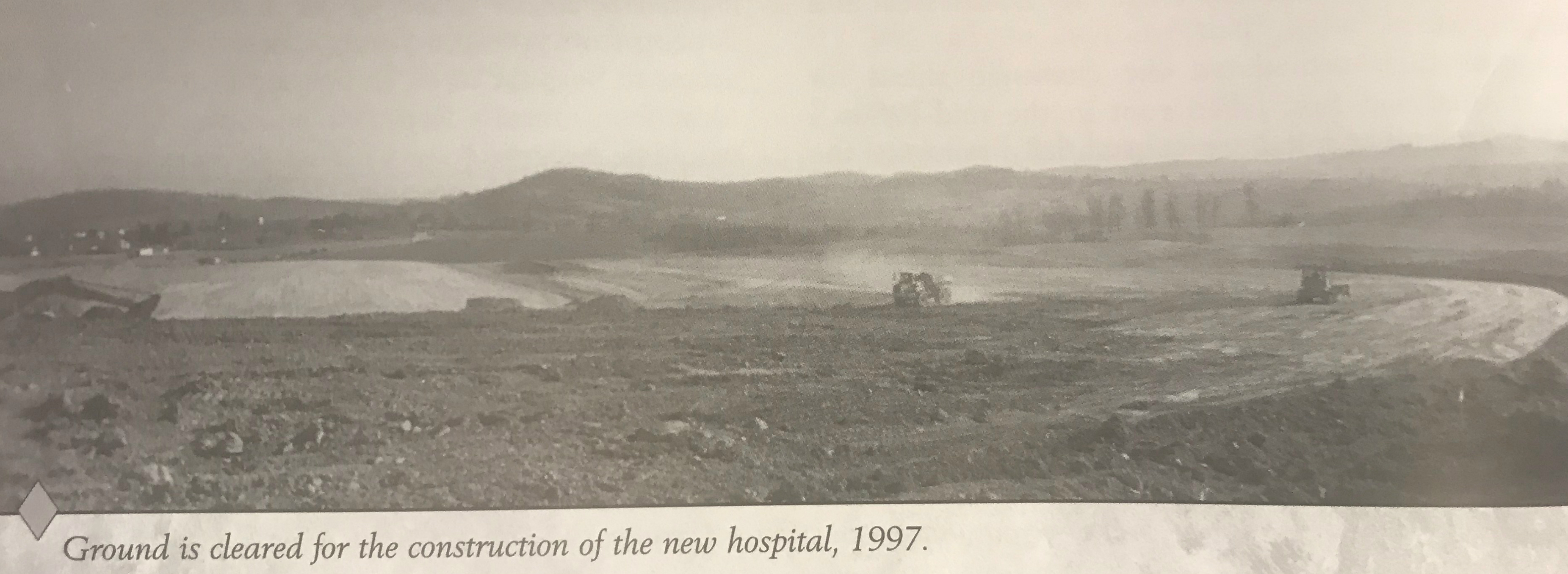
More than 480,000 cubic yards of soil were moved and leveled to build the hospital, which would run the length of three football fields and occupy 248,864 square feet.
There were so many complex issues involved with moving the hospital that the project was divided into five parts: facility readiness, operational readiness, communications, content move and patient move.
Move captains visited other facilities around the state that had experienced similar moves, and employee teams were formed to help organize the thousands of details of the move.
During the year leading up to the hospital opening, other important events took place, like coordinating with local police, fire and emergency departments for the patient move day, contacting the Virginia Department of Transportation to change the hoopla direction signs and performing at least two patient “mock moves.”
The new facility opened on March 20, 1999, combining the latest in medical technology with a personal, patient-focused approach.
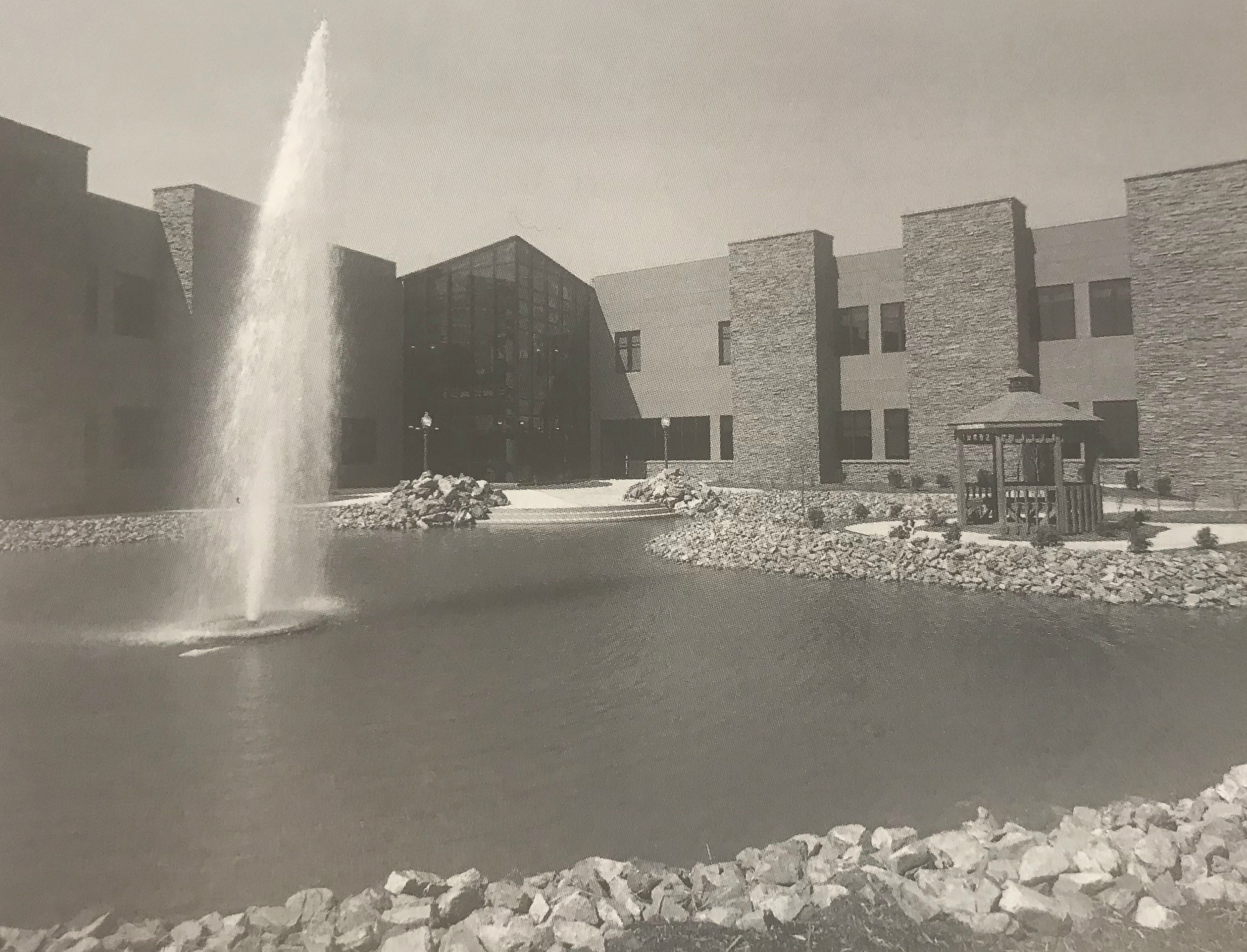
Former hospital board chairman George Harvey said “The new hospital is the culmination of a dream come true. Over the years, the hospital has improved every year in all dimensions—better health care and a more diverse medical staff. In my mind, what it’s done for people—saving lives and giving good medical attention—makes the hospital the biggest asset to the area.”