Back to School: Sleep Guidelines for Kids and Teens
The new school year is upon us. Are your kids ready to make the transition from the lazy days of summer to the structure and routine of the academic calendar?
We asked our pediatricians what families should focus on when getting ready for the school year, and they gave us 2 consistent answers: routines and sleep.
They say that for kids of every age, the right routines are a necessary building block to school success. These back-to-school strategies can help:
- Organize clothes and sort out what still fits and what needs to be replaced
- Clear out a quiet, dedicated space for homework and stock it with school supplies
- Get back into regular dinner and nighttime routines
- Adjust bedtimes and wake-up times in advance of the start of school
From preschool through college, sleep provides energy, improves mood, and helps kids perform better academically. The American Academy of Pediatrics recommends the following sleep hours for kids throughout childhood:
- Infants (4 – 12 months) 12 – 16 hours including naps
- Toddlers (1 – 2 years) 11 – 14 hours including naps
- Preschoolers (3 – 5 years) 10 – 13 hours including naps
- School-age kids (6 – 12 years) 9 – 12 hours
- Teenagers (13 – 18 years) 8 – 10 hours
Kids who don't get enough quality sleep have more challenges than just staying awake in school. They can have trouble paying attention, processing information, and managing their emotions.
“Not having enough sleep can be very disruptive to students,” says Anthony Staples, DO, of Pediatric Neurology. “They need to have a consistent sleep pattern and bedtime routine to thrive during the school day.”
To make the quality of your kids' sleep match the quantity, turn off all screens 2 hours before bedtime and keep them out of kids' bedrooms.
And make sure you're getting enough quality sleep too! Getting enough sleep should be a family priority, not just something your kids have to do.
Talk to your pediatrician if your child has trouble falling asleep or staying asleep. They can give you more tips for healthy sleep or refer you to a specialist like Dr. Staples if needed.
This article was originally published on Carilion Clinic Health and Wellness.
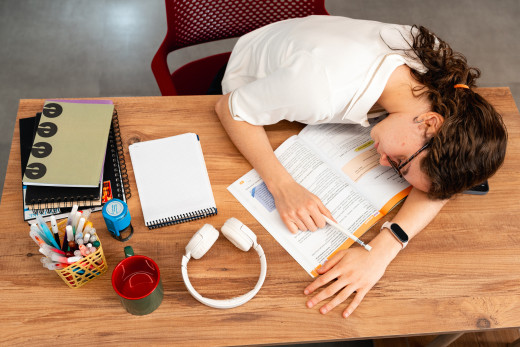

From preschool through college, sleep provides energy, improves mood, and helps kids perform better academically.
The recommended amount of sleep depends on the age of the child.
Make sure you're getting enough quality sleep too! Getting enough sleep should be a family priority, not just something your kids have to do.
